Most visitors picture the Dubai desert as roaring engines and cresting dunes, and much of the commercial safari trade delivers exactly that. The Dubai Desert Conservation Reserve is the opposite idea. Set aside in 2003 as the emirate's first national park, it protects a genuine stretch of Arabian desert, its ghaf woodland and the wildlife that had been pushed to the edge of extinction across the region, and it does so by keeping people and vehicles to a careful minimum. The result is a quieter, rarer desert: herds of Arabian oryx grazing in the early light, gazelles slipping between the trees, and dunes that have never been churned by a convoy of four-by-fours. This guide walks through the reserve in order: what it is and why it exists, the animals and plants it shelters, how it keeps the desert intact, what you can actually do there, how it differs from a standard safari, the best time to come, and why a private visit is the easiest way to experience it well.
The reserve: the emirate's first national park
The Dubai Desert Conservation Reserve, usually shortened to the DDCR, was established in 2003 and was the first national park of its kind in the United Arab Emirates. It occupies a substantial part of Dubai's total land area, a broad expanse of dune and gravel plain inland from the city, and it was created for a single clear purpose: to protect a working piece of the natural desert rather than let it be swallowed by development or worn down by unmanaged tourism. What began as the grounds of a single desert resort grew into a formally protected reserve with its own rules, rangers and research.
That protected status is what sets the reserve apart from the open desert where most safaris run. Inside its boundaries the landscape is managed as an ecosystem, with the number of visitors, vehicles and activities all deliberately capped. It is less a destination to be conquered than a habitat to be entered quietly, and that intention shapes everything about a visit, from how you arrive to what you are allowed to do once you are inside. For the full range of desert activities around the reserve, see gett.travel's Dubai desert experiences guide.
A refuge for Arabian wildlife
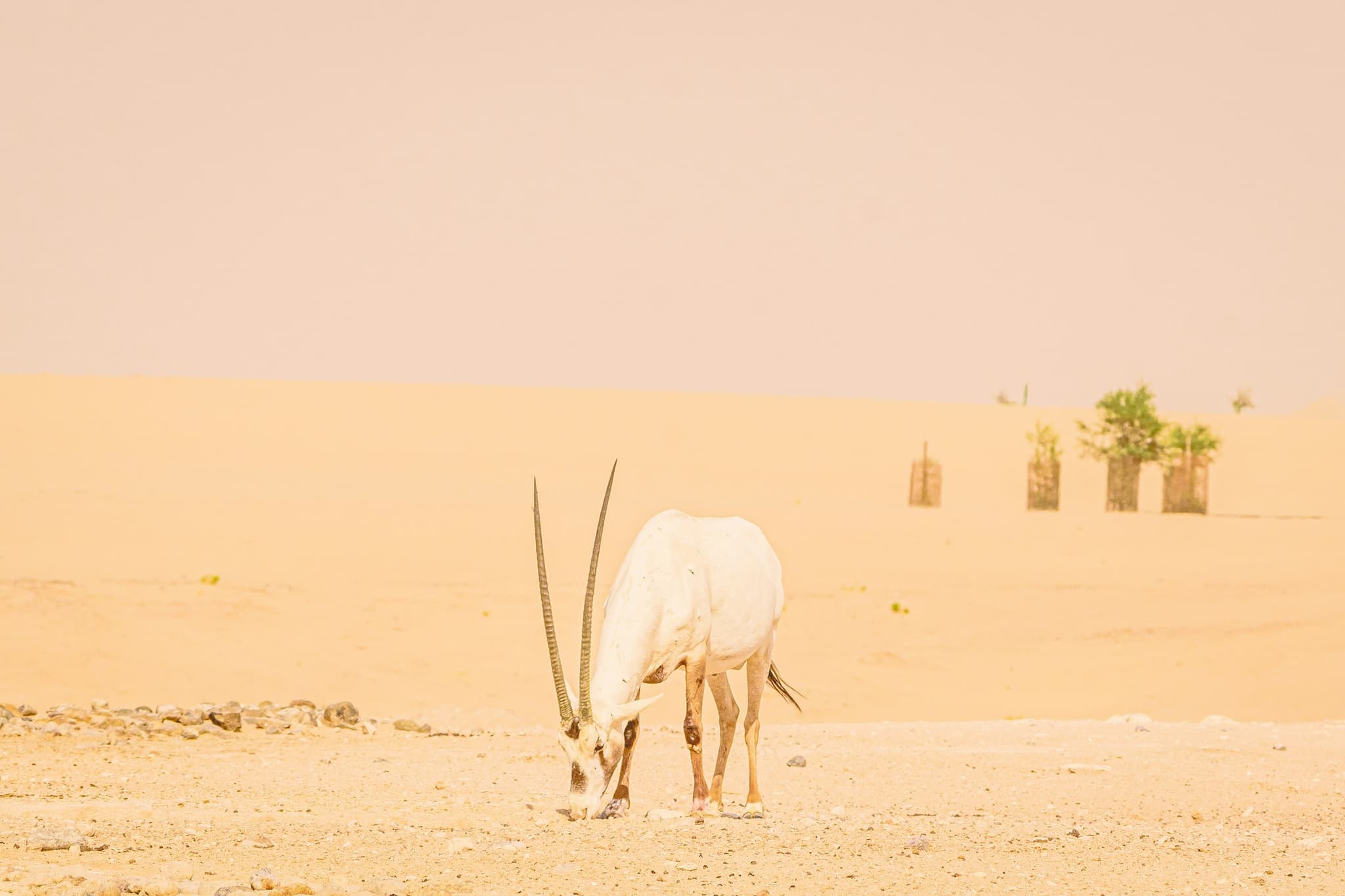
The animal most associated with the reserve is the Arabian oryx, a pale desert antelope with long straight horns that was once hunted almost to extinction across Arabia. The reserve was central to bringing it back, and today herds move freely across the dunes, often visible in the cool of early morning and late afternoon. Alongside them graze Arabian and sand gazelles, delicate and fast, which scatter and regroup among the trees as a vehicle passes at a respectful distance.
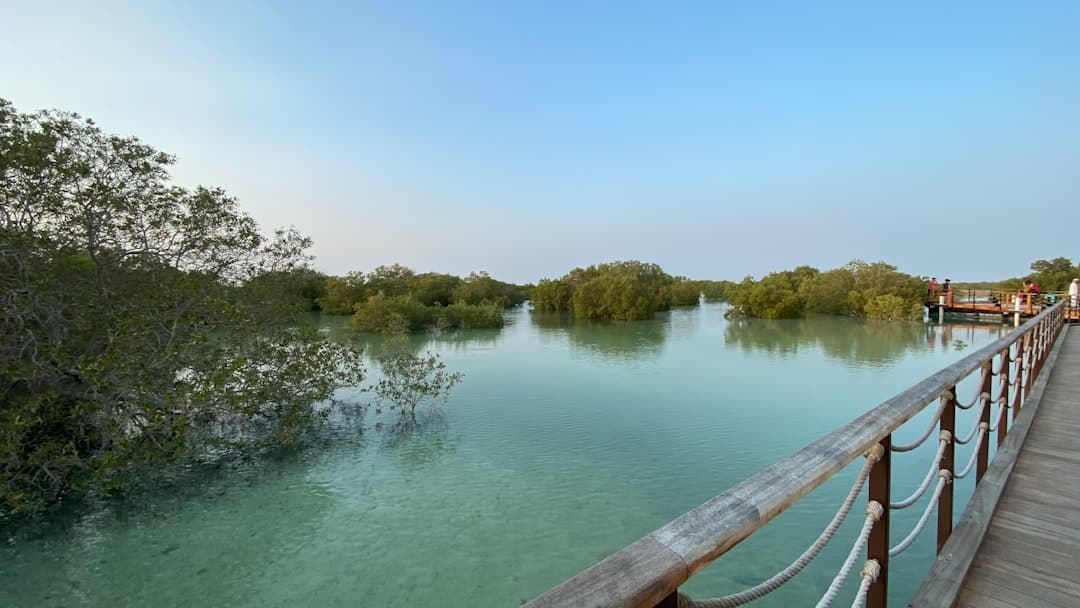
The reserve is more than its large mammals. It protects stands of ghaf, the hardy native tree that is the symbol of the Emirati desert, along with the grasses and shrubs that hold the dunes together and feed the wildlife. Smaller residents include desert foxes, wildcats, hares, reptiles and a surprising number of birds, many of them easiest to notice in the stillness that the reserve's rules are designed to preserve. Seeing animals in a landscape they have always belonged to, rather than in an enclosure, is the heart of what the place offers. For another calm, wildlife-led morning, our mangrove kayak tour in Abu Dhabi offers a similar pace on the water.
How the reserve protects the desert
Protection here is practical rather than symbolic. Only a limited number of licensed operators are permitted to bring guests into the reserve, activities are restricted to defined zones, and the more sensitive core areas are kept off-limits to general traffic altogether. Vehicles stay on agreed routes, group sizes are controlled, and the aggressive dune bashing that defines the commercial safari trade is simply not allowed across the protected land. The aim is to let people experience the desert without leaving it churned and littered behind them.
This careful management is the reason the reserve still feels wild. Because access is capped and behaviour is regulated, the dunes recover, the wildlife stays relatively unbothered, and the silence that makes the desert so striking is preserved. For a visitor it means a very different atmosphere from the busier tourist tracks: fewer vehicles, no engine noise from a dozen other groups, and a real sense that you are a guest in a habitat rather than a customer at an attraction.
What you can do inside the reserve
The activities on offer match the low-impact spirit of the place. Guided nature drives take small groups slowly across the dunes in search of oryx and gazelle, with a guide who reads the tracks and explains the ecology rather than racing between photo stops. Traditional desert pursuits are the other draw: falconry displays where a trained bird is flown against the open sky, gentle camel treks along the dune lines, and quiet guided walks that bring the smaller life of the desert into focus.
For most people the reward is not adrenaline but atmosphere. A sunrise or sunset drive, a falcon on the wrist, a camel moving unhurried across the sand and a cup of Arabic coffee as the light softens add up to a deeper, calmer encounter with the desert than a fast safari can give. The pace is deliberate, the emphasis is on wildlife and landscape, and the whole experience is built around leaving the reserve exactly as you found it.
A conservation reserve versus a standard desert safari
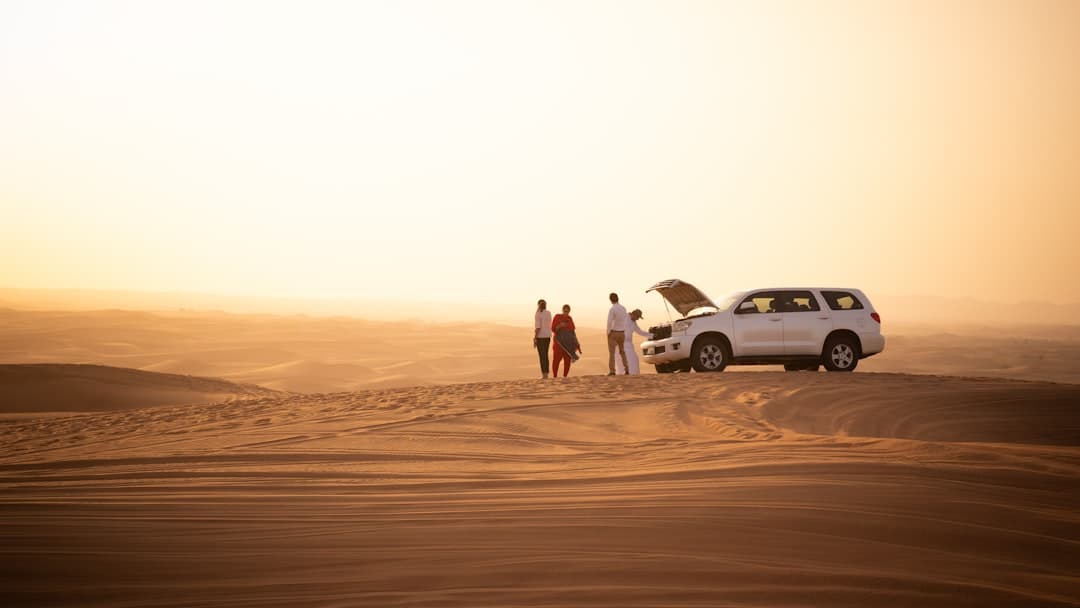
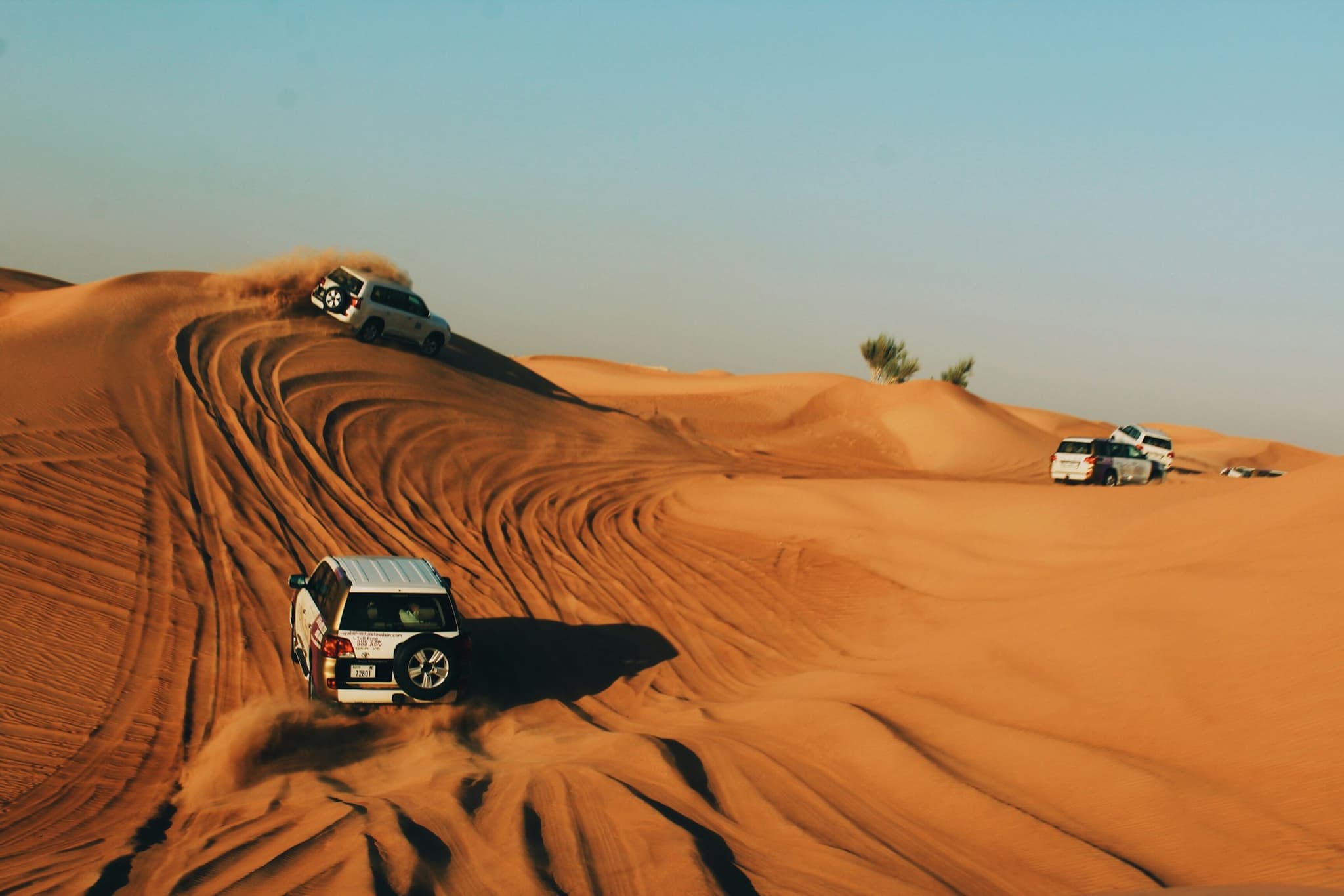
It helps to understand how a visit here differs from the classic Dubai desert safari, because they are genuinely different things. A standard safari usually runs on unprotected desert closer to the city and is built around dune bashing in a convoy of vehicles, a camp with buffet dinner and stage shows, and a large mix of groups sharing the same site. It is energetic, social and good fun, and for many visitors it is exactly the desert experience they came for.
A visit to the conservation reserve trades that energy for exclusivity and nature. There is no dune bashing across the protected zones, far fewer people, and the focus is squarely on wildlife, landscape and the traditions of the desert. Neither is better in the abstract; they simply suit different travellers. Thrill-seekers and first-timers after a lively night often prefer the classic safari, while anyone drawn to wildlife, quiet and a more refined, low-impact day tends to find the reserve far more rewarding.
What to expect on a day in the reserve
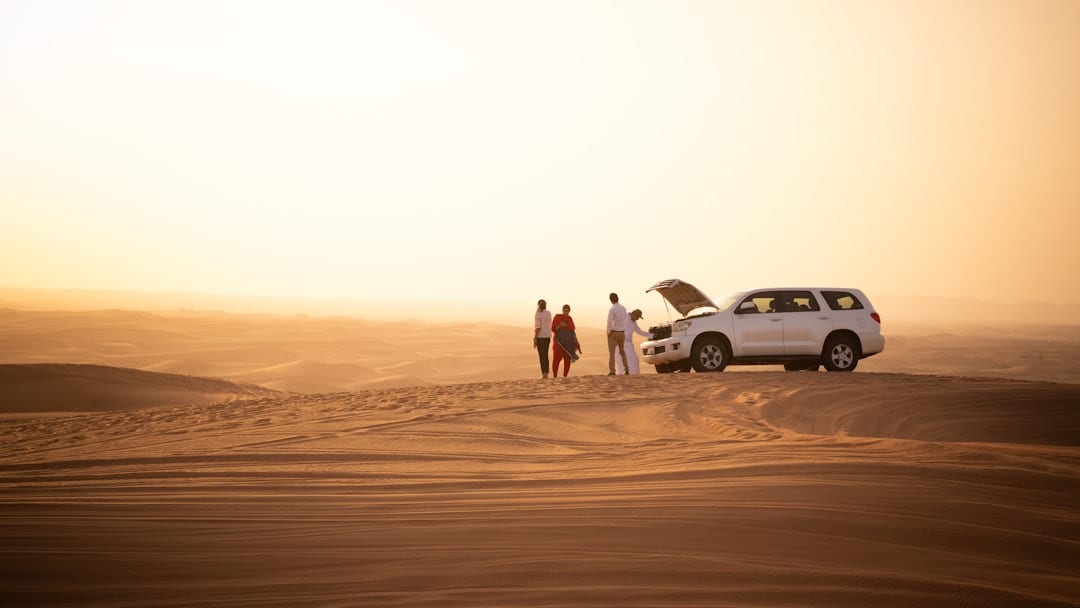
Because the reserve lies inland from the city, reaching it involves a comfortable drive out through the fringes of Dubai and into open desert, and the transition from motorway to dune line is part of the appeal. Once inside, the rhythm slows: the vehicle moves gently, stops are for wildlife and views rather than jumps and skids, and a knowledgeable guide sets the tone. Mornings and late afternoons are the active hours, when the animals move and the light is kindest, so the best visits are timed around dawn or the approach of sunset.
A visit rewards a little preparation. The desert is hot and exposed by day and cool after dark, the terrain calls for sensible footwear, and sun protection and water matter more than in the city. It is worth remembering, too, that this is a protected area with rules to respect, so keeping to the guide's lead, staying on the routes and leaving nothing behind are part of the experience rather than an afterthought.
The best time to visit and a quick checklist
The reserve is an outdoor, wildlife experience, so the cooler months from about November to April are the most comfortable, and the edges of the day are when the desert comes to life. A few simple choices make a visit flow well:
- Come in the cooler season, roughly November to April, when the days are pleasant and the wildlife most active
- Time your drive for sunrise or the approach of sunset, when animals move and the light is at its best
- Wear closed, comfortable shoes and bring a hat, sunglasses, sunscreen and water for the exposed terrain
- Choose low-impact activities such as a nature drive, falconry or a camel trek rather than a dune-bashing convoy
- Let a private guide handle the permits, timing and logistics so the day stays calm and unhurried
Why a private, premium experience works best
The reserve rewards being seen slowly and knowledgeably, which is exactly what a private visit provides. Your guide and driver handle the access, choose the right hours for wildlife, and move at a pace set by what you want to see rather than a fixed group schedule, so a sunrise drive, a falconry display and time simply watching the oryx can unfold without a crowd or a clock. Our private conservation safari is built exactly around this kind of low-impact, wildlife-focused day. Because the reserve limits numbers by design, a private, premium format sits naturally with the spirit of the place.
It also removes the practical weight of the day: the drive out from the city, the permits and routes, the timing around heat and light are all taken care of, leaving you free to enjoy the desert itself. Arranged this way, the Dubai Desert Conservation Reserve becomes what it should be, a quiet, refined encounter with a protected Arabian wilderness, easily paired with a premium desert safari or a wider private day in Dubai. Seen without the rush, the oryx grazing among the ghaf trees at first light is one of the most memorable things the emirate has to offer.
The Dubai Desert Conservation Reserve is the emirate's first national park: a protected stretch of true Arabian desert, set aside in 2003, where Arabian oryx and gazelles move among ghaf trees and the dunes have never been churned by a convoy. Access is limited, activity is low-impact, and the atmosphere is closer to a wildlife reserve than a theme-park safari. Come in the cooler months and around sunrise or sunset, choose gentle activities such as a nature drive, falconry or a camel trek, and respect the rules that keep the place wild. Seen without the rush, on a private visit timed for you, the sight of oryx grazing in the first light is one of the quietest and most memorable experiences in Dubai.