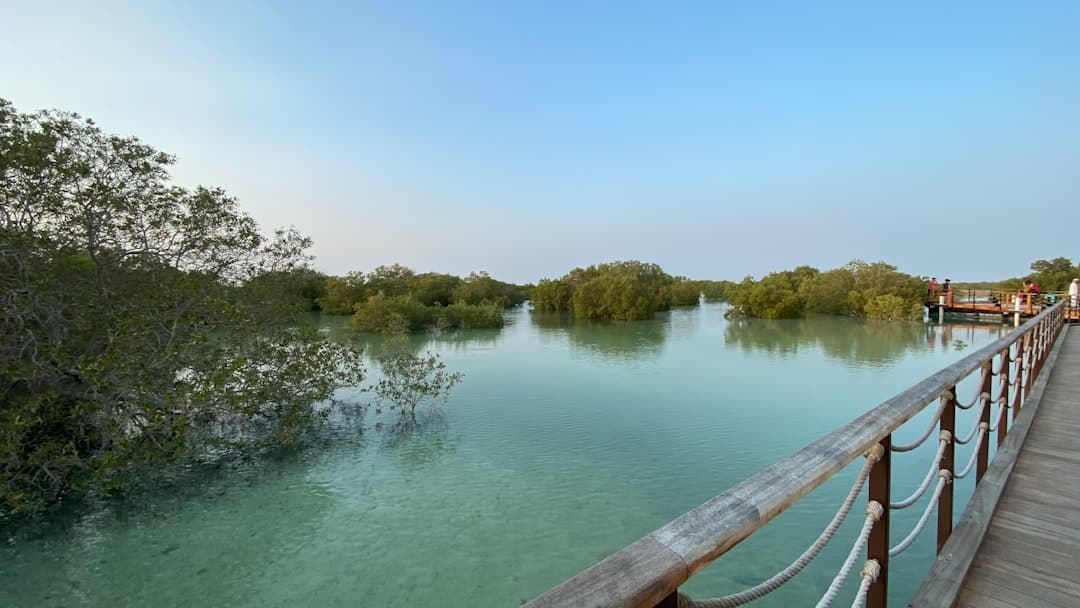
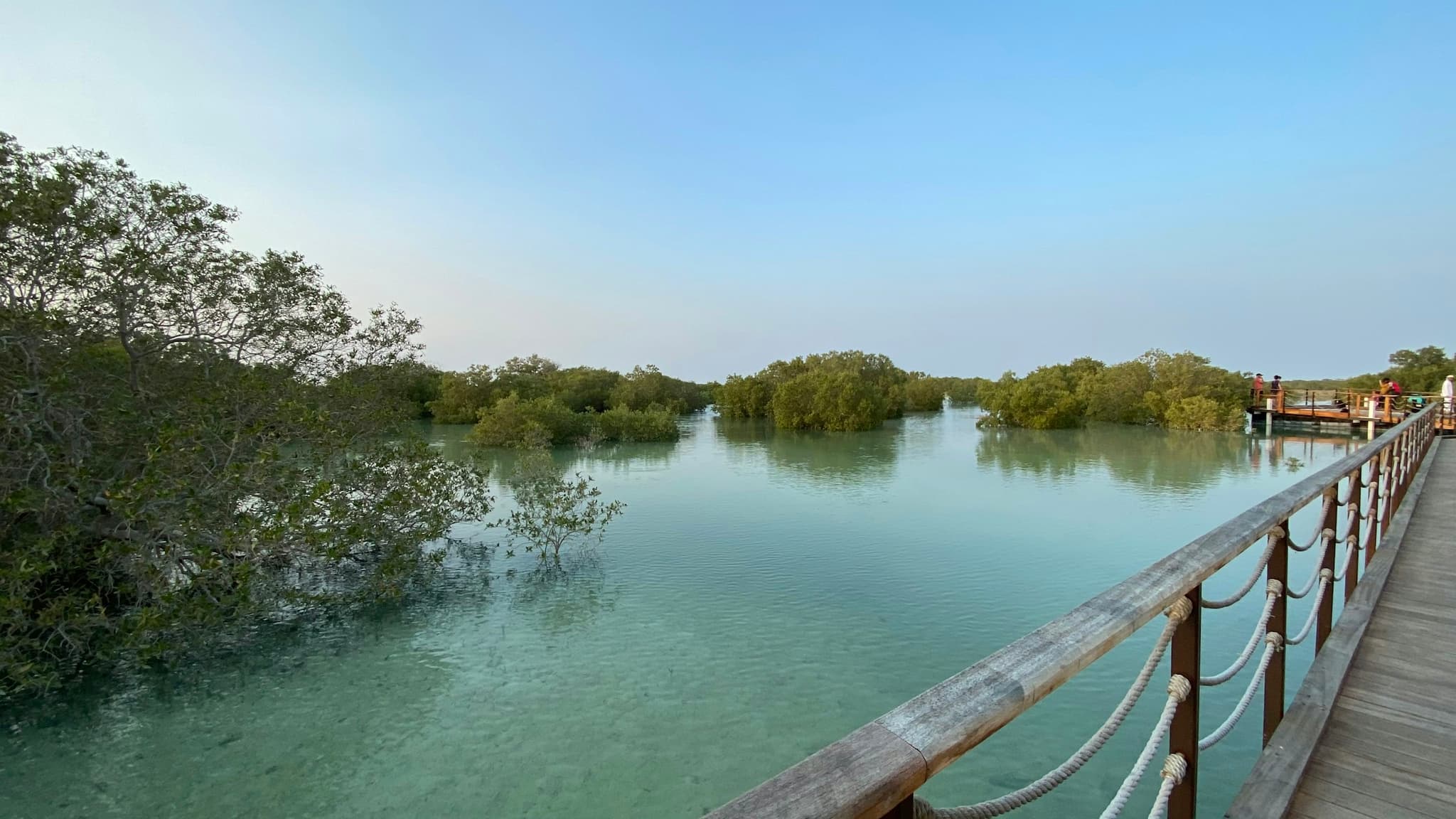
Ajman rarely makes anyone's shortlist, which is exactly why Al Zorah catches people off guard. Barely an hour from Dubai, this protected tidal creek holds a dense, undisturbed belt of grey mangroves, glassy motor-free channels where a kayak is the only way in and the only sound is birdsong and the dip of a paddle. Flamingos wade the shallows and more than fifty resident bird species move through the trees around you, a genuine pocket of wilderness that most visitors to the UAE never even hear about. This guide covers what Al Zorah is, the wildlife you can expect, the tides that shape a trip, when to go, whether it suits beginners and children, and how it compares to the better-known mangrove paddle in Abu Dhabi.
The reserve and the resort: two places sharing one name
Al Zorah is also the name of a large waterfront development on the Ajman coast, a golf course, a marina and beachfront resort hotels sit on one side of it. None of that is where the kayaking happens. The paddle route stays entirely inside a separate, protected tidal creek that runs behind the development, sealed off from the open Gulf and left largely as it has grown for generations.
That creek is what visitors actually mean when they ask about Al Zorah mangroves or Al Zorah kayaking. There are no boardwalks and no motorboats inside it, a kayak is the only sensible way through, which is exactly why the channels have stayed quiet enough for a resident flamingo flock and dense mangrove growth to survive this close to a resort.
"Nature reserve" or "Natural Reserve"? Both point to the same place
The protected creek carries an official name, Al Zorah Natural Reserve, and that is the spelling used on signage and in government material. In everyday English, though, people search for and write nature reserve just as often, the more natural phrasing for a protected wild area. Both terms describe the identical stretch of mangrove creek covered in this guide, not the golf-and-marina side of the wider Al Zorah development.
Reserve status: what is protected, and can you visit without a tour
Al Zorah Natural Reserve is kept as protected habitat inside the wider Al Zorah development on Ajman's coast, closed to motorboats and public foot traffic rather than run as an open park. There is no separate entrance, ticket booth or boardwalk into the creek, a guided kayak trip is the only way onto the water, which is exactly how the mangrove forest and the resident flamingo flock have stayed undisturbed this close to a resort.
What the reserve protects is the tidal mangrove forest itself, the resident flamingo flock, and the more than fifty bird species, herons, kingfishers and egrets among them, that depend on narrow, boat-free channels for shelter and feeding. The golf course, marina and hotel side of Al Zorah sits outside the reserve and holds none of this wildlife, open to visitors like any waterfront development, but not where the birds are.
None of this runs on fixed public opening hours. Access follows the private kayak tour's own schedule, built around the tide and the season rather than a clock, so a slot gets arranged for whichever morning or afternoon suits the water on the day you book.
The wildlife: flamingos and fifty-plus species
Al Zorah is one of the more reliable places near Dubai to see flamingos in the wild, a resident flock that wades the open shallows and draws the eye the moment the channel opens up. Around them the reserve supports more than fifty other bird species, herons standing motionless at the water's edge, kingfishers darting between the roots, egrets working the mudflats at low tide.
Because the channels are narrow and the kayaks make almost no disturbance, sightings tend to be close rather than distant specks through binoculars. A guide who knows the lagoon reads the light and the tide to put you near the birds at their most active, rather than paddling past empty water and hoping.
Tides and water temperature: why timing matters
Like the rest of the Gulf coast, Al Zorah's creek is tidal, with two high tides and two low tides roughly every day. At low tide, parts of the narrower channels shrink to mudflat and become too shallow to paddle comfortably, which is why private trips are timed around a rising or high tide rather than booked at a fixed hour regardless of the water level. A guide who checks the tide table before confirming your slot is doing exactly what keeps the paddle smooth instead of a slog through ankle-deep water.
Water temperature swings with the season rather than the tide. Winter mornings, December to February, the creek is genuinely cool, worth a light layer if you feel the chill on the water easily. By high summer it climbs into the low thirties Celsius, warm enough that the paddle itself becomes relief from the heat rather than something to brace for.
Is it suitable for beginners and kids?
Yes, and this is one of Al Zorah's real advantages over open-water kayaking. The channels are sheltered and calm, with no current worth fighting and no waves, so the route is rated easy and the paddling itself asks for balance and patience rather than strength or prior experience. A short briefing at the launch covers everything a first-timer needs.
Life jackets are fitted for every size, and the gentle pace makes the route genuinely workable for families rather than merely tolerable for them. Children old enough to sit steady in a kayak tend to enjoy it more than a standard boat tour, since the mangroves are close enough to touch and the birds are often within easy view.
When to go: light, heat and the season
Morning is the strongest slot, for two reasons rather than one. The light is softer for photographs, and the birds are noticeably more active before the day's heat settles in, so an early paddle tends to turn up more flamingos and more birdlife moving through the canopy than a midday trip would.
The heat matters more than most first-time visitors expect. Even sheltered channels lose their appeal under the full midday sun, so mornings, or a later afternoon slot outside the hottest months, work best. Seasonally, October to April is the richest window for birdwatching, cooler air, calmer conditions, and the flamingos at their most reliable, though the reserve is paddleable year-round if you pick the right hour and check the tide.
Al Zorah versus the Abu Dhabi mangroves
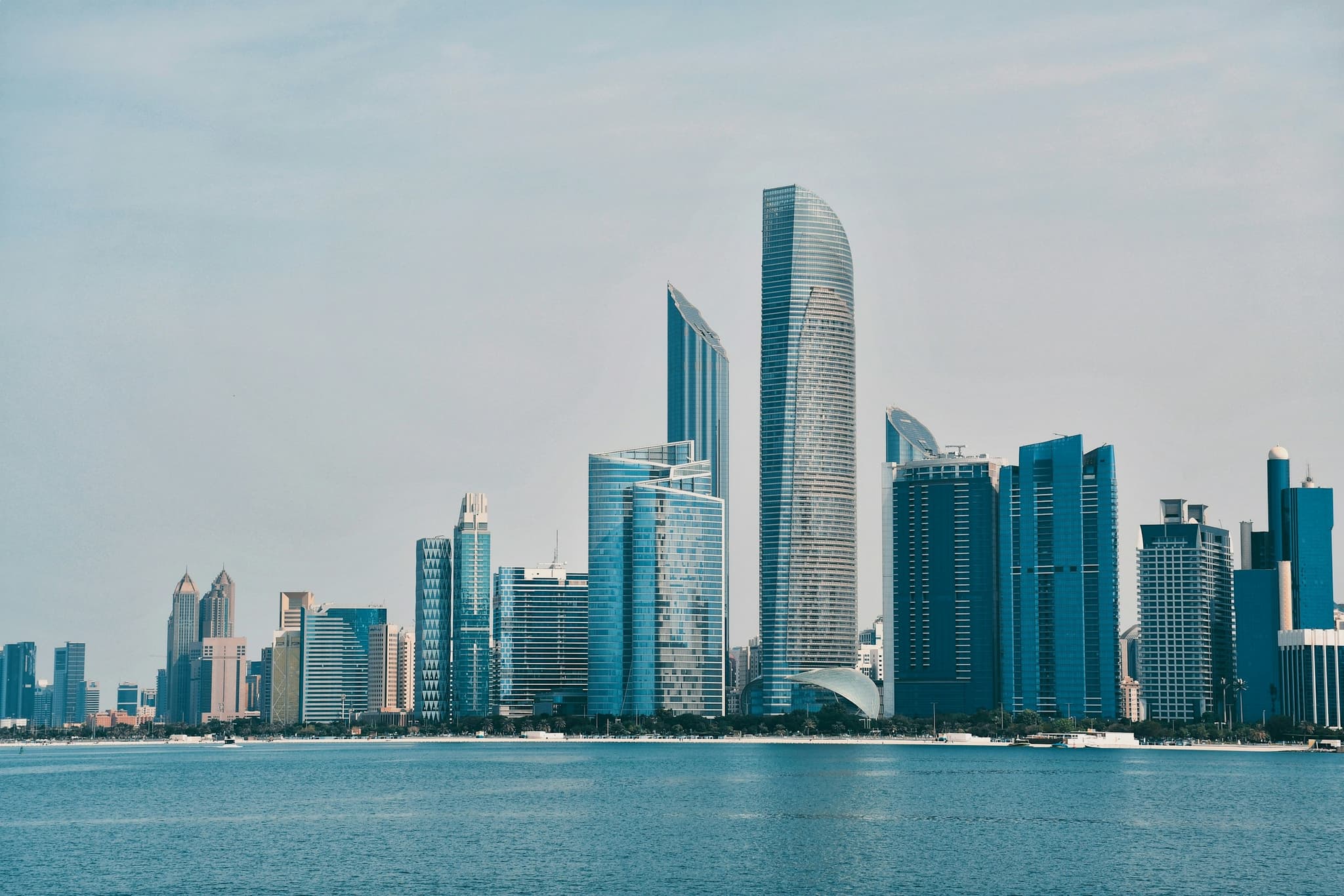
The obvious comparison is the Eastern Mangroves near Abu Dhabi, and the two trips genuinely differ rather than duplicating each other. The Eastern Mangroves sit minutes from the capital's skyline, a shorter paddle of around two hours where towers are still visible on the horizon as you glide through the channels, a striking contrast between wild water and modern city.
Al Zorah reads as more remote. There is no skyline in view, the reserve is quieter and less visited, and the resident flamingo flock is the headline draw in a way the Abu Dhabi channels cannot quite match. Anyone based in Dubai, Sharjah or the northern emirates, or anyone who wants flamingos over a city backdrop, is better served by Al Zorah; anyone staying in Abu Dhabi who wants a shorter paddle close to the hotel is better served by the Eastern Mangroves.
Getting there from Dubai and Sharjah, parking and what to bring
Al Zorah sits just off Sheikh Mohammed bin Zayed Road (E311), and the drive from central Dubai takes roughly 45 to 60 minutes depending on traffic and which part of the city you start from. The route is easy to self-drive, but hotel pickup is included on the private Al Zorah kayak tour if you would rather skip the navigation and arrive ready to paddle.
From Sharjah the drive is shorter, roughly 30 to 35 minutes north on the same E311 corridor, which makes Al Zorah an easy add-on for anyone based there rather than in Dubai. There is no separate entry ticket or turnstile at the launch point, access is arranged as part of the guided kayak trip, and free parking sits right at the jetty where the paddle begins.
- Quick-dry clothing you do not mind getting splashed
- Closed shoes that can handle wet feet
- A hat, sunglasses and reef-safe sunscreen for the open stretches of water
- A dry bag or a waterproof phone pouch for close-up photos of the flamingos
Booking a private paddle at Al Zorah
A private outing suits Al Zorah far better than a fixed group slot. With your own guide and your own pace you can linger wherever the flamingos gather, take the route slowly with children in tow, or push further into the channels if the birdlife is especially active that morning.
If you would like a private kayak trip to Al Zorah built around your dates, message us on WhatsApp and we will arrange the transfer from Dubai, Sharjah or Ajman, the gear and a morning or afternoon slot suited to the season and the tide. Current durations and exact timings are on the tour page.
Pairing it with more of Ajman rounds out the day: the Ajman heritage dhow tour covers the fort museum and the dhow shipyards, while the Ajman sunset dhow cruise is a relaxed way to close an afternoon on the water. Both run as separate bookings alongside the kayak trip, not instead of it. For a wider look at the emirate, our guide to Ajman covers the Corniche and more of what sits nearby.
An hour north of Dubai, Al Zorah hides a genuine pocket of wilderness: still mangrove channels where a resident flamingo flock wades the shallows and more than fifty bird species move through the canopy, all reachable by kayak alone and shaped by the tide that decides which channels are open. The gentle, motor-free route suits complete beginners and families as easily as keen birdwatchers, and a morning slot in the cooler months brings the best light and the most active wildlife. Message us on WhatsApp with your dates and we will arrange a private paddle from Dubai, Sharjah or Ajman built around the season, the tide and your pace.