Ajman rarely makes the headlines, and that is exactly its charm. The smallest of the seven emirates sits just north of Sharjah, barely forty minutes from central Dubai, yet it feels a world away from the glass towers and crowds of the coast. Here an eighteenth-century fort still guards an old harbour, fishermen lay out the morning catch by the quay, and craftsmen build wooden dhows by hand the way they have for generations. There are no queues, no theme-park gloss and no rush; just a calm waterfront, a real working town and a slower rhythm that has all but vanished from the bigger cities. This guide explains what Ajman is, what there is to see, when to go and why a private day is the most relaxed way to discover the quietest corner of the Emirates.
The quietest corner of the Emirates
Ajman is the smallest emirate in the country, a compact stretch of coast tucked between Sharjah and the Gulf. Its size is part of the appeal: everything sits close together, the pace is gentle, and the relentless construction energy of the bigger cities gives way to something far more local and lived-in.
What you notice first is the calm. There are no vast malls or headline attractions competing for your attention, and almost no tour-bus crowds. Instead there is a working harbour, an old fort, a long waterfront and a town that goes quietly about its day. For travellers who have seen the polished side of the Emirates and want something more authentic, Ajman is a refreshing change of register. Neighbouring Umm Al Quwain, covered in our separate guide, is quieter still for those who want to go even further off the beaten path.
Ajman Fort Museum
The heart of any visit is the Ajman Fort, an eighteenth-century fortress that once defended the harbour and now houses the emirate's museum. Its thick coral-stone walls and watchtowers are a reminder of an age before oil, when life here revolved around the sea, the pearl banks and the trade that passed along the coast.
Inside, the exhibits trace daily life in the old coastal community: pearl diving and the tools of the divers, traditional weaponry, household objects and the crafts that sustained the town. A good guide brings it all to life, explaining how a small fishing and pearling settlement grew into an emirate, and how the region lived before the modern era. It is a compact museum, but a genuinely illuminating one. A broader group-format itinerary covering this and other Ajman sites is outlined on the Ajman guide on gett.travel.
The Corniche and the waterfront
Ajman's Corniche is one of the calmest waterfronts in the country. A wide, unhurried promenade runs along the Gulf, with open sea views, palm-lined paths and a string of cafes where local families gather in the cooler hours. After the intensity of Dubai, the stillness here feels almost startling.
It is a place to slow down rather than tick off sights. You can walk the length of the promenade, watch the fishing boats come and go, and feel the rhythm of a coastal town that has not been reshaped for tourism. The light over the water in the late afternoon is especially lovely, and the whole stretch invites a long, easy stroll.
The dhow shipyards
Ajman is one of the last places in the Emirates where wooden dhows are still built by hand, and the shipyards are the highlight of the day for many visitors. Here, in open-air yards by the creek, craftsmen shape the great curved hulls plank by plank, using skills passed down through generations and tools that would be recognisable a century ago.
Watching a dhow take shape is a quietly moving thing. These boats once carried pearls, dates and goods across the Gulf and beyond, and the tradition of building them survives here almost unchanged. A guide can explain the stages of construction and the role the dhow played in the region's history, turning a working yard into a window onto the maritime past.
- Open-air yards where wooden hulls are built plank by plank
- Craftsmen using skills handed down through generations
- A maritime tradition that once linked the Gulf to India and East Africa
- A guide to explain the stages of building and the dhow's role in trade
The fish market and local life
No visit to Ajman is complete without the fish market by the quay, where the morning catch is laid out fresh from the boats. It is loud, colourful and entirely authentic, a working market for the town rather than a staged attraction, and it offers a vivid sense of how the coastal economy still turns on the sea.
Around the market and the harbour you get the real texture of Ajman: fishermen mending nets, boats unloading, the everyday business of a small Gulf port. With a guide to explain what is on the stalls and how it all fits together, it becomes one of the most memorable and human parts of the day.
The best time to visit
As with most of the Emirates, the cooler months from about October to April are the most comfortable for Ajman, when walking the Corniche, the fort and the shipyards is a pleasure rather than a test of stamina. A morning or late-afternoon visit makes the most of the gentler light and temperatures.
In the hotter months the trip still works well, especially if you start early or shift the outdoor parts toward the end of the day. Because Ajman is so close to Dubai and the sights are concentrated, it adapts easily to the season; your guide can simply arrange the order of the day around the heat and the light.
Booking a private Ajman day
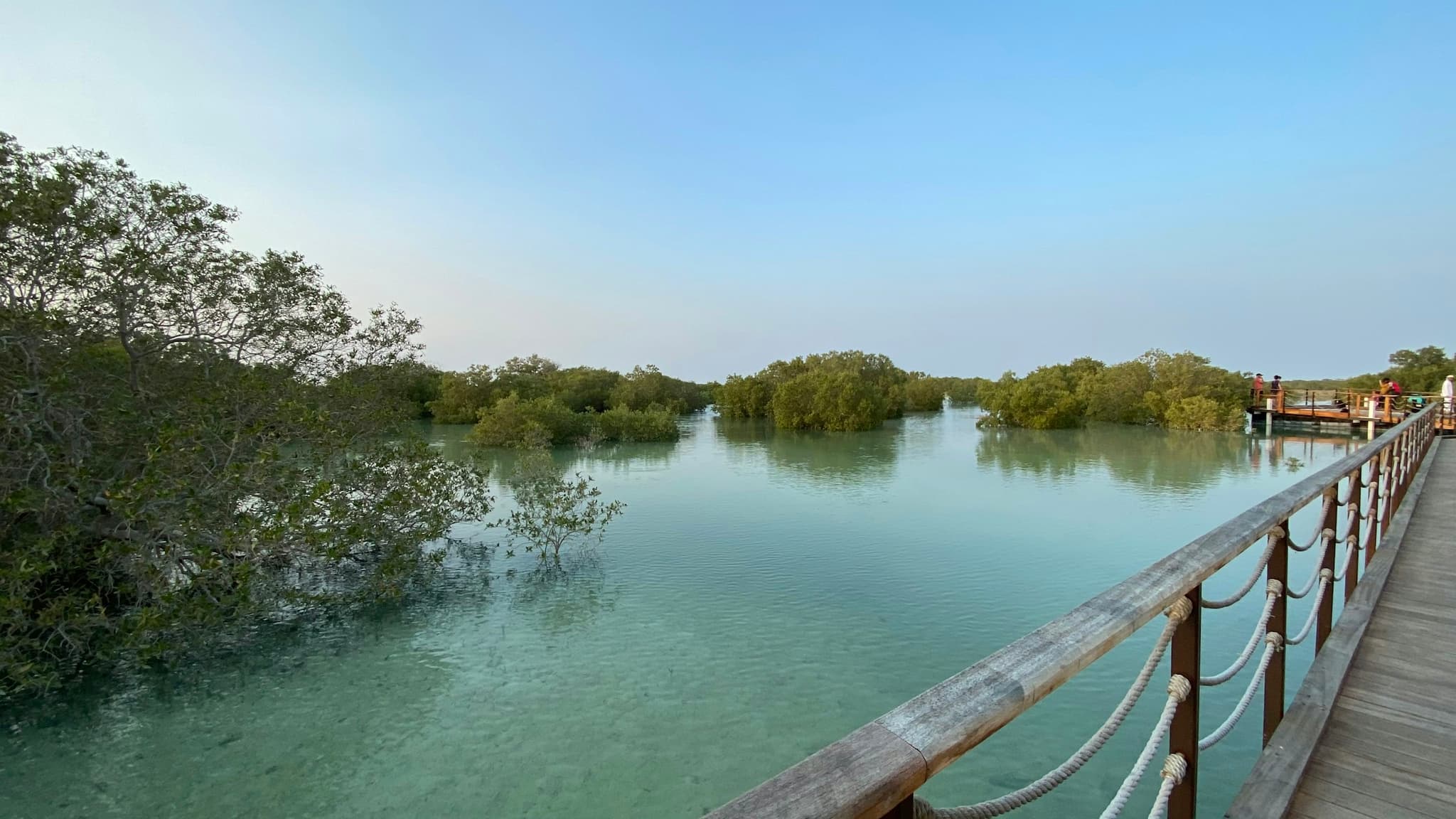
Ajman is small and easy, which is exactly why a private day suits it so well. With your own guide and vehicle you can take the fort, the Corniche, the shipyards and the fish market at your own pace, linger where you like and skip what you do not, without waiting on a coach or a fixed timetable, and it pairs naturally with quieter Umm Al Quwain next door for a longer day out, or with a private morning kayaking the Al Zorah mangroves if you want the harbour town balanced with wilderness and birdlife.
A private arrangement also handles the practicalities: a comfortable transfer from your hotel in Dubai and back, a guide who speaks your language and knows the town, and the freedom to pause for photographs or a coffee on the Corniche whenever you wish. Tell us when you are visiting and what draws you to Ajman, and we will arrange a private day that makes the quietest emirate feel like an easy, authentic escape.
- A door-to-door transfer from a Dubai or Sharjah hotel, so the day starts the moment you step outside
- A guide who explains the fort, the shipyards and the fish market in your own language, not a recorded audio track
- A flexible order to the day, so you can linger at the Corniche or the shipyards for as long as you like
- Air-conditioned transport between each stop, useful when the midday heat makes walking between sights less appealing
- A route shaped around your interests, whether that is maritime history, photography or simply a slow walk by the water
Just forty minutes from Dubai, Ajman offers a calmer, more authentic side of the Emirates: an eighteenth-century fort museum, a quiet Corniche along the Gulf, working shipyards where dhows are still built by hand and a lively local fish market by the quay. The smallest emirate is also the most unhurried, a place to slow down and feel the real rhythm of a Gulf town rather than tick off attractions. A private day brings it all within easy reach at your own pace. Message us on WhatsApp with your dates, and we will arrange a private Ajman day shaped around what you most want to see.