One of the most common worries before a first trip to the Emirates is the wardrobe, and most of that worry turns out to be misplaced. Dubai is a cosmopolitan, tolerant city where two hundred nationalities live side by side, and on a normal day you will see everything from shorts and sundresses to full abayas on the same stretch of pavement. There is no veil requirement for visitors, no list of banned garments, and nobody policing the malls. What does exist is a gentle expectation of modesty in the places where it matters, a climate that makes some choices far smarter than others, and a few specific settings, a mosque above all, where the rules are real and worth respecting. The trick is not packing a special travel wardrobe but understanding the difference between a beach club, a spice souk and a grand mosque, and carrying clothes flexible enough to move between them in a single day. This guide walks through the dress code in plain terms, what the seasons demand of your suitcase, what women and men actually need to pack, and how the places that ask a little more want you to dress.
The dress code, in plain terms
Dubai sits at the liberal end of the Gulf, and for a visitor the practical rule is simple: in tourist areas, hotels, beaches and modern malls you can dress much as you would in any warm Mediterranean city. Shorts, t-shirts, dresses and sandals are entirely normal, and nobody will look twice. The unwritten expectation is modesty rather than coverage, which in practice means avoiding anything overtly revealing in public spaces away from the beach: very short shorts, transparent fabrics or bare midriffs can feel out of place in a market or a traditional neighbourhood, even though they are rarely an actual problem.
The more useful way to think about it is by setting rather than by rule. A beach club and a heritage quarter call for different clothes, and so do a shopping mall and a mosque. Emiratis themselves dress with great care, the men in crisp white kandura, the women in elegant black abaya, and a quiet respect for that is repaid in warmth. Dress for the place you are going to, keep a light layer to cover shoulders or knees when needed, and you will never put a foot wrong.
Let the climate choose the fabric
Long before culture, the thing that should shape your suitcase is the heat. From roughly November to April the weather is glorious, warm days and cool evenings, and almost anything light is comfortable. From May to September it is a different world: daytime temperatures sit around 40 degrees and beyond, the humidity is heavy, and the sun is fierce from mid-morning to late afternoon. In that season your clothes are sun protection as much as style.
Whatever the month, the winning formula is loose, light and natural. Linen and cotton breathe where synthetics trap heat; pale colours reflect the sun where black absorbs it. A wide-brimmed hat, good sunglasses and high-factor sunscreen matter more than any outfit. And there is one counter-intuitive item nobody warns you about: a light cardigan or scarf for indoors, because Dubai air-conditioning runs cold enough that a long restaurant meal or a mall afternoon can leave you genuinely chilly. Pack for the heat outside and the chill inside, and you have the climate covered.
Right now, at the height of summer 2026, that advice is not theoretical: July and August daytime heat makes fabric choice the single most important packing decision of the trip. Stick to linen, cotton or technical breathable blends rather than anything synthetic that traps heat against the skin, and favour pale, loose-fitting pieces that let air move rather than anything fitted. A UPF-rated sun shirt or a light long sleeve can be more comfortable than bare skin under the midday sun, since it blocks the burn without needing constant reapplication of sunscreen. Whatever you pack, treat sun protection, the hat, the sunglasses, the high-factor cream, as the first layer you put on each morning, not the last.
What to actually pack
Beyond the principles, a short, practical list covers almost every day of a Dubai trip for both women and men. None of it is special travel gear, simply the right version of clothes you already own:
- Loose, breathable layers — linen trousers, cotton shirts, flowing dresses and maxi skirts that cover the shoulders and knees while staying cool.
- A light scarf or pashmina — the single most useful item, doubling as a shoulder cover in a souk, a head cover at a mosque and a wrap against fierce air-conditioning.
- Comfortable closed shoes for walking the old quarters and the desert, plus sandals for the beach and evenings.
- Modest options for women: at least one outfit with sleeves and a hemline below the knee for mosques, government buildings and traditional neighbourhoods.
- For men: long trousers and a collared shirt for smarter restaurants and any cultural site, alongside the shorts that are fine everywhere else.
- Swimwear for the beach and pool only, plus a cover-up to wear between the water and your room.
- Sun defences — hat, sunglasses and sunscreen — treated as part of the outfit rather than an afterthought.
The places that ask a little more
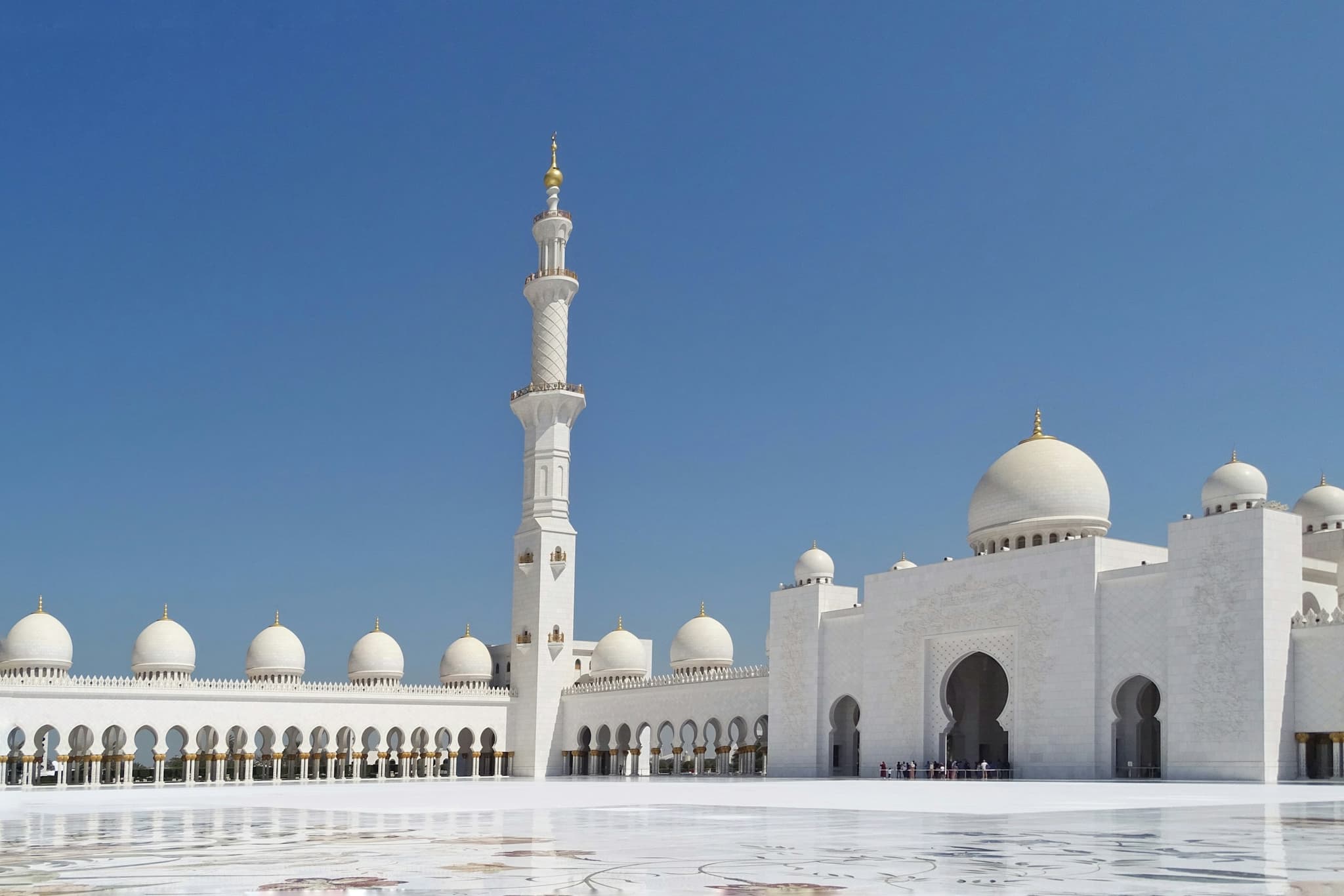
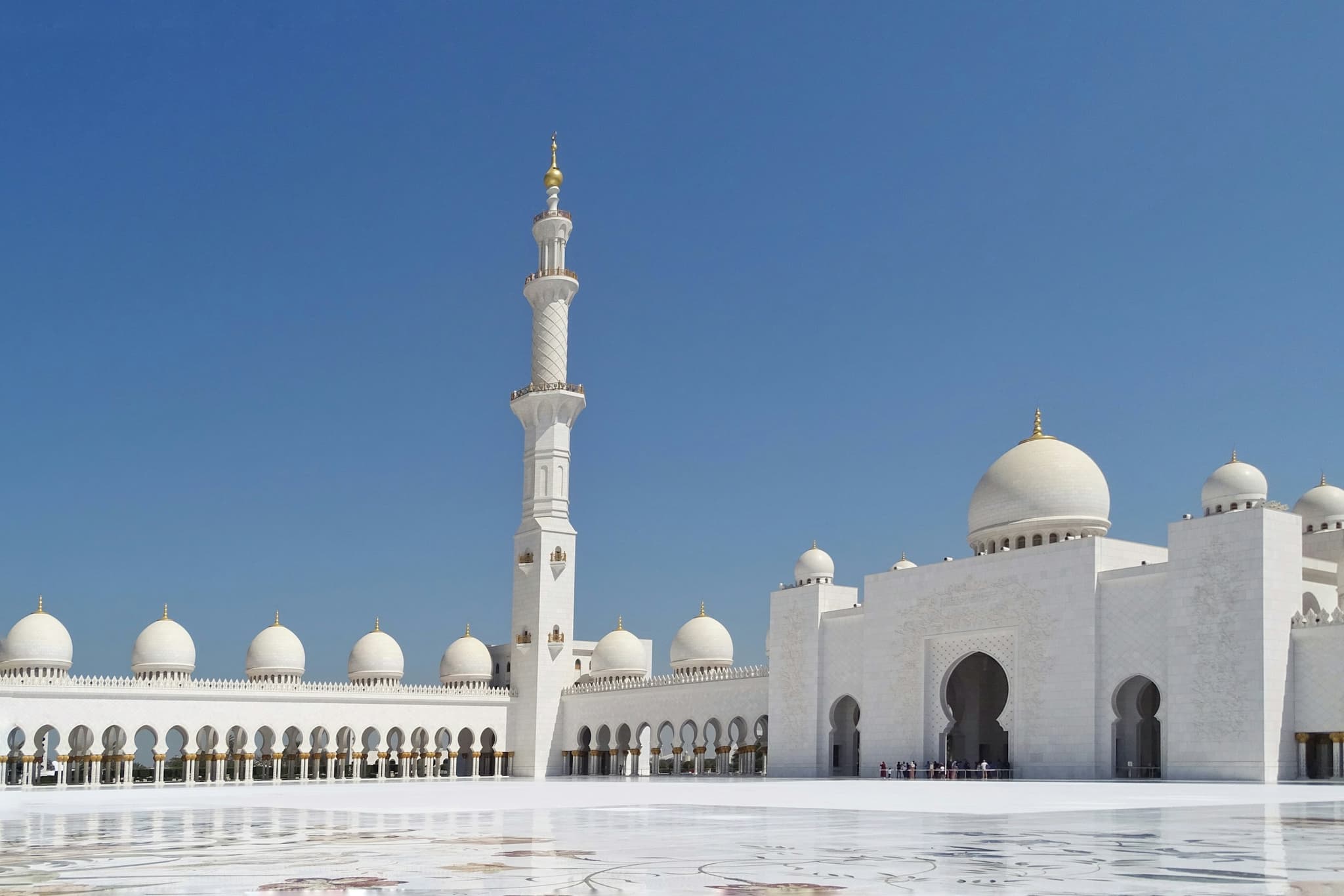
A handful of settings have genuine dress codes, and the most important is the mosque. To enter the Sheikh Zayed Grand Mosque in Abu Dhabi, or any working mosque, women must cover their hair, arms and legs, and men must wear long trousers; loose, ankle-length clothing is expected and tight or sheer fabric is not. The grand mosque is generous about this, lending abayas to those who arrive unprepared, but it is far more comfortable to come dressed correctly. A long dress or trousers with a scarf for the hair is all a woman needs.
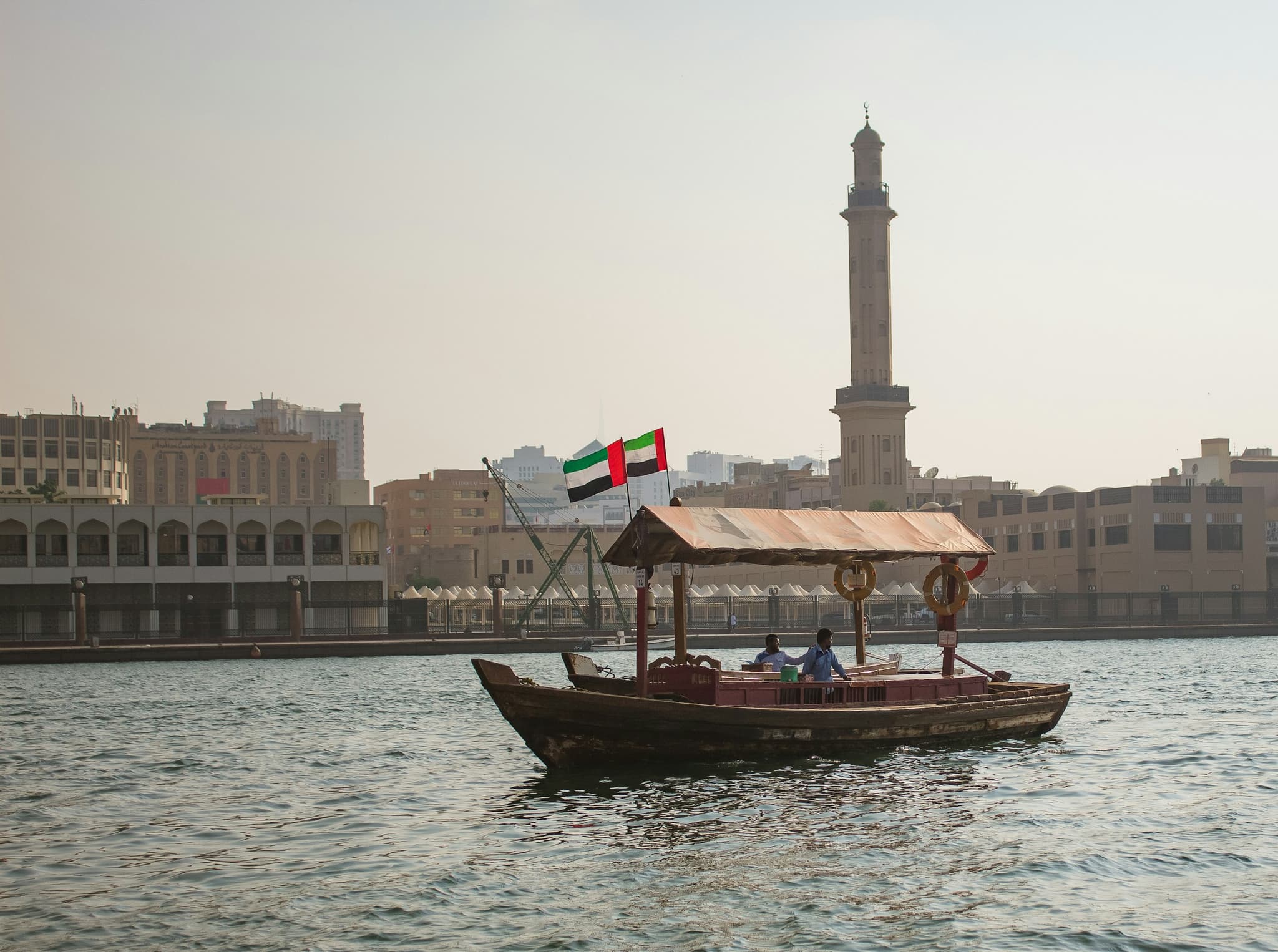
Beyond the mosque, the same instinct applies more softly in other places: traditional neighbourhoods and the old souks of Deira and Bur Dubai, government and court buildings, and the holy month of Ramadan, when modest dress in daylight is a courtesy the whole city appreciates. None of these demand discomfort. They simply ask that shoulders and knees are covered and that the clothing is not provocative, which the scarf and a single modest outfit in your bag will always solve.
Beach, desert and the evening out
At the other end of the spectrum, Dubai is also a beach-and-leisure city, and here the code relaxes completely. Swimwear, including bikinis, is entirely fine at the beaches, pools and beach clubs; the only courtesy is to cover up when you leave the sand for a street, a shop or a hotel lobby. For a desert safari the priorities switch to the practical: breathable clothes for the warm afternoon, closed shoes that keep the sand out, and a genuine layer for the evening, because the desert turns surprisingly cold once the sun drops.
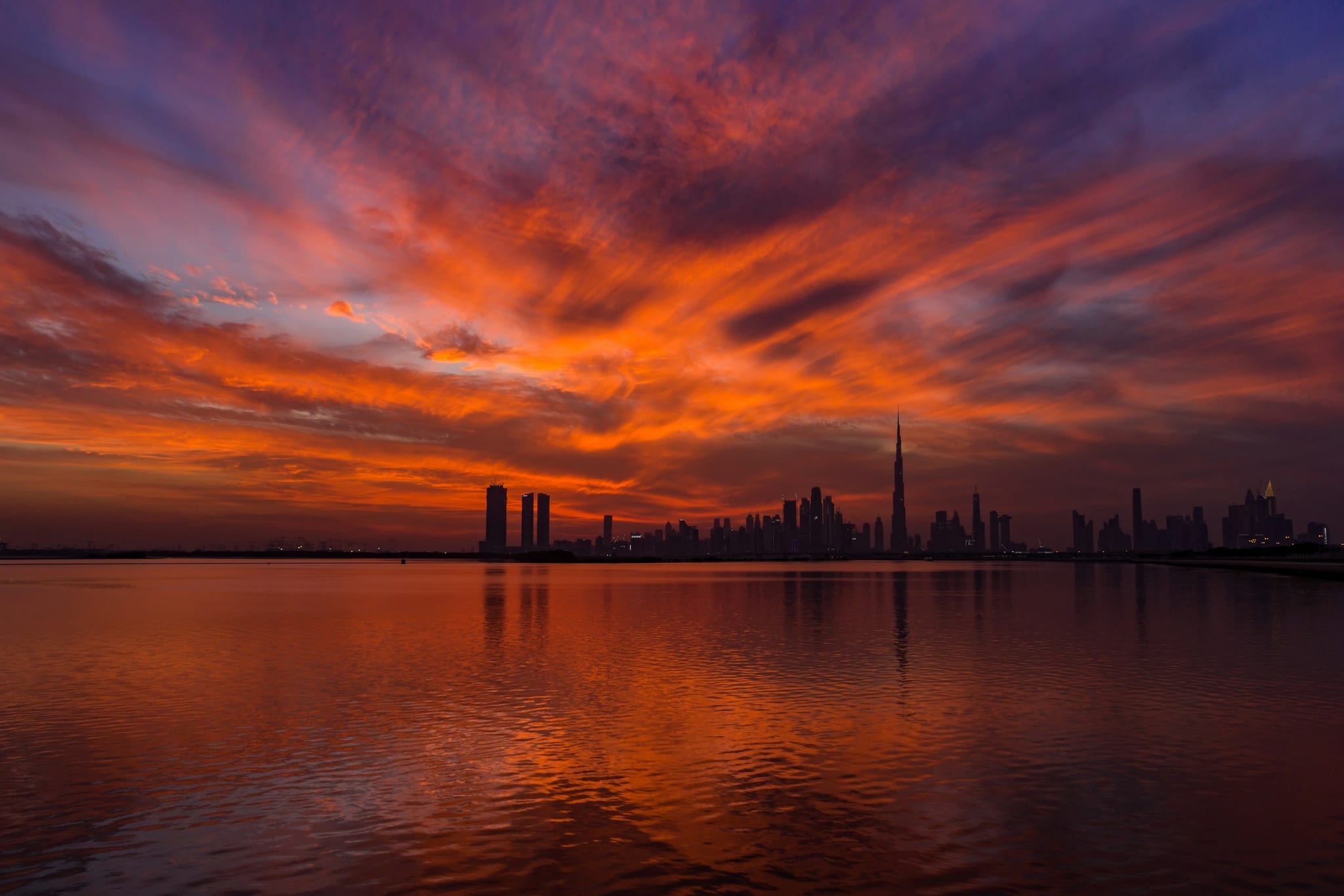
Evenings out have their own quiet standards. Dubai's fine dining rooms, rooftop bars and clubs often expect smart-casual at a minimum, which usually means no shorts or flip-flops for men and something a little dressed for everyone; some of the higher-end venues are stricter still. None of this is forbidding, but it is worth packing one smarter outfit so a spontaneous dinner with a view is never off the table for want of the right shoes.
Dressing with ease on a private trip
The reason dress feels complicated in Dubai is that a single good day can sweep you from a morning in a mosque to an afternoon in a souk and an evening above the skyline, each with its own unspoken code. This is exactly where a private guide quietly earns their place: someone who tells you in advance that today includes a mosque, who keeps a spare scarf in the car, who knows which restaurant has a jacket rule and which beach club does not, removes the guesswork entirely.
A private day also gives you the freedom to adapt. There is no group timetable forcing you out in the midday heat or into a venue you are underdressed for; the pace bends to you, with time to change before dinner or duck out of the sun when it bites. For families, for older travellers and for anyone who simply wants to enjoy the city without second-guessing their suitcase, that ease is worth more than any packing list. Dress for comfort and a little respect, lean on someone who knows the day ahead, and what to wear stops being a worry at all. For a group-format option, gett.travel keeps the UAE dress code guide.
Dubai asks far less of your wardrobe than its reputation suggests: dress for the heat in loose, light, natural fabrics, keep a scarf for the mosque and the cold air-conditioning, and carry one modest and one smarter outfit for the places that ask a little more. Match the clothes to the setting rather than to a rulebook, lean on a guide who knows what the day holds, and what to wear becomes the easiest part of the trip.