More than almost any other destination, Dubai rewards travellers who understand its weather before they book. The city has two very different faces: the soft golden winter that draws the world to its beaches and terraces, and the blazing summer when the sun is something to be managed rather than enjoyed. Neither is a reason to stay away, but each asks for a different kind of trip, and knowing which season you are stepping into changes everything from what you pack to how you plan your days. The good news is that Dubai is built for its climate, with air conditioning everywhere, shaded walkways and indoor attractions that make even the hottest afternoons comfortable. What follows is a practical, season-by-season picture of the year: the glorious winter, the fierce summer, the transitional shoulder months, the quirks of humidity, wind and rain, and how to time and shape a visit so the weather works for you rather than against you.
The short answer: a hot desert climate, glorious in winter
Dubai has a subtropical desert climate, which in plain terms means abundant sunshine, very little rain and a long hot season broken by a short, near-perfect winter. For roughly half the year, from late spring into early autumn, the heat dominates and midday sun is best avoided, while the other half brings some of the finest weather you will find anywhere, warm and clear by day and pleasantly cool after dark. Rain is rare and skies are blue on the vast majority of days, so the real planning question is not whether it will be sunny but how strong the sun and humidity will be.
If you want the easiest answer to when to go, it is the winter window from about November to March, when daytime temperatures are comfortable, evenings are mild and the whole city moves outdoors to its beaches, terraces and desert camps. Come in high summer and you can still have a wonderful time, but the shape of the trip changes: mornings and evenings outside, the fierce middle of the day spent in the cool. Understand that single rhythm and the rest of the year makes sense at a glance.
Season by season: winter, summer and the shoulder months
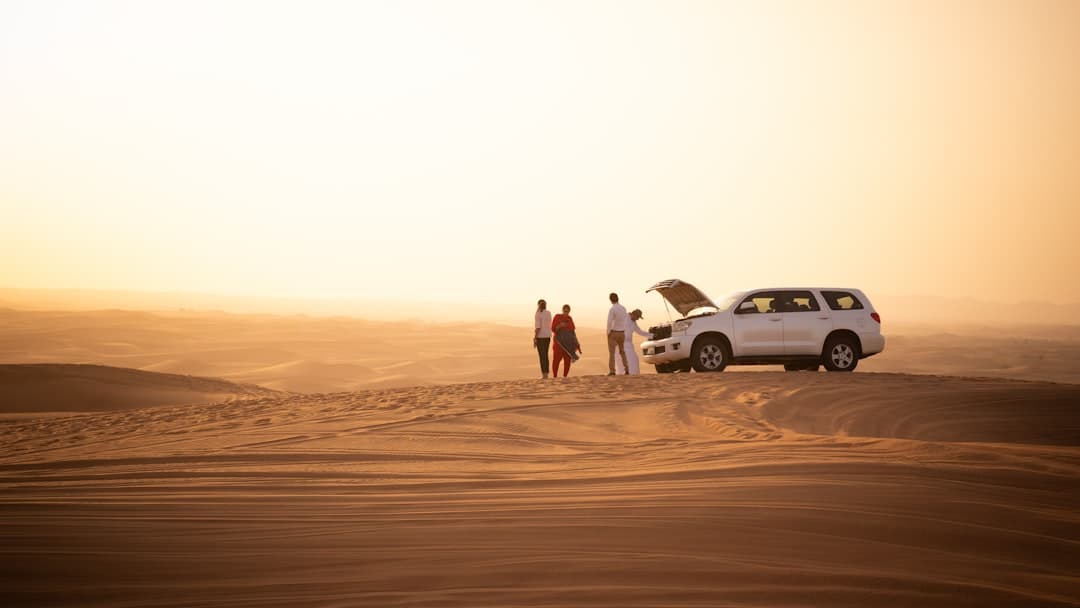
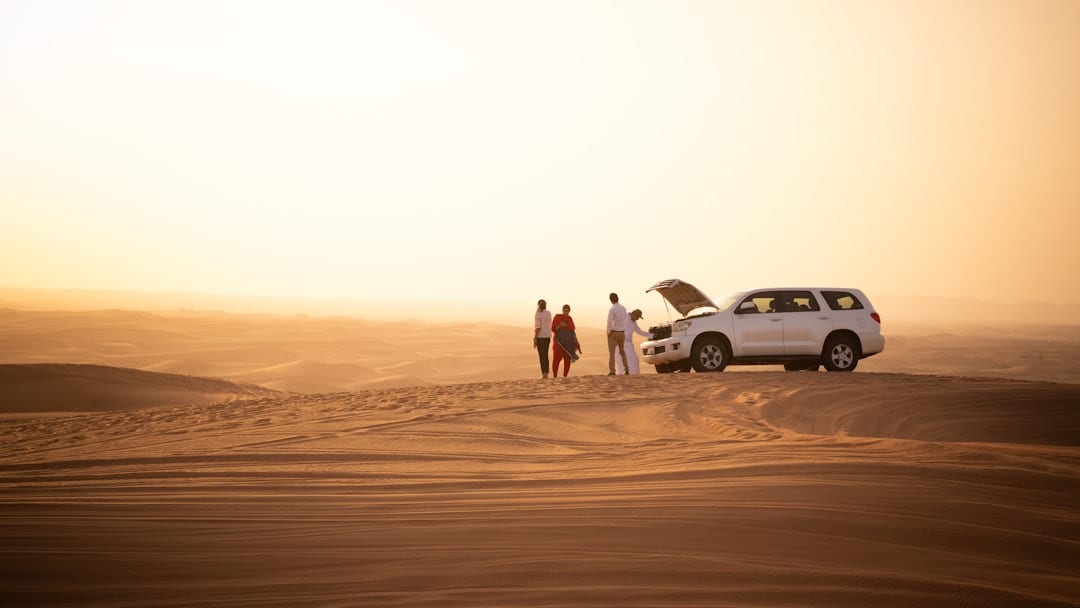
Winter, from November through March, is Dubai at its most beautiful. Days are warm and sunny without being oppressive, evenings turn cool enough for a light layer, and humidity drops to comfortable levels. This is the peak season for a reason: the beaches, rooftop restaurants, desert safaris and walking tours are all at their best, and the desert nights can even feel crisp. It is also the busiest and priciest time, so the trade for perfect weather is bigger crowds and higher hotel rates, which makes early booking worthwhile.
Summer, from June through September, is the opposite extreme, with intense heat and, near the coast, sticky humidity that can make the air feel heavy. July and August are the fiercest months, when the middle of the day is genuinely uncomfortable outdoors and the sea feels like a warm bath. Either side of these, the shoulder months of October and April to May are transitional: still hot, but easing, with the sun losing some of its ferocity and the evenings becoming pleasant. These months can offer a good balance of decent weather and thinner crowds for travellers who do not mind a warm afternoon.
Summer heat and humidity, and how to enjoy the city anyway
There is no getting around it: the Dubai summer is one of the hottest urban climates on earth, and the peak of the day is best treated as time to be indoors. What surprises many visitors is the humidity rather than the raw temperature, because the city sits on the Gulf and the coastal air can turn heavy and damp, especially in late summer, making even a short walk feel demanding. This is why so much of Dubai life in summer happens inside, in the cool of the malls, museums, aquariums and indoor parks, all designed to be enjoyed while the sun is at its harshest.
The trick to a summer trip is timing rather than avoidance. Plan anything outdoors for early morning or after sunset, when the light is soft and the heat has eased, and keep the middle of the day for pools, indoor attractions and long lunches. Drink far more water than you think you need, wear light and breathable clothing, and never underestimate the sun. Handled this way, a summer visit has real advantages: quieter attractions, lower hotel rates and warm evenings that stretch late into the night, when the city genuinely comes alive.
Shamal winds, sea fog and the rare Dubai rain
Beyond the simple story of heat and sunshine, Dubai has a few weather quirks worth knowing. The most notable is the shamal, a north-westerly wind that sweeps down the Gulf and can lift dust and sand into the air, turning the sky hazy and softening the famous skyline for a day or two at a time. Shamal events are more common in winter and early summer, and while they rarely spoil a trip, they can reduce visibility, whip up the sea and make desert excursions dusty, so it is worth keeping an eye on the forecast around them.
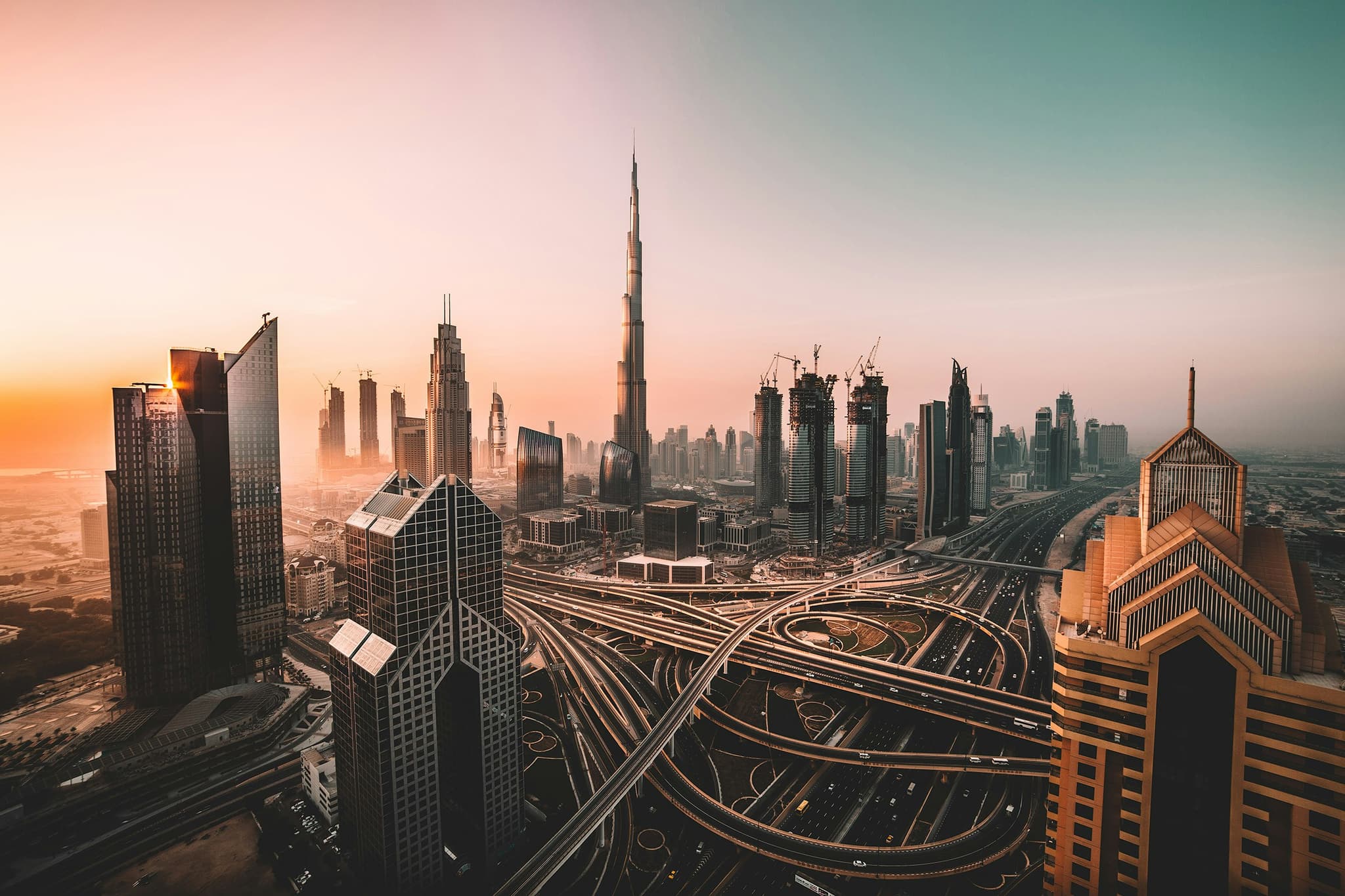
Rain, by contrast, is genuinely scarce. Most of the year is bone dry, and what little rain falls tends to come in short bursts between December and March. Occasionally a winter storm can be surprisingly heavy, briefly overwhelming roads that are simply not built for downpours, but such days are the exception rather than the rule. Winter mornings can also bring a soft sea fog that rolls in off the Gulf and burns away by mid-morning, wrapping the skyscrapers in cloud for an hour or two and rewarding early risers with an unforgettable sight.
Sea temperatures and what to pack for the climate
The Gulf is warm for most of the year and swimmable in every season, which is part of what makes Dubai such a reliable beach destination. In the depths of winter the water is at its coolest but still mild and refreshing, ideal for long swims, while by late summer it warms to the temperature of a bath, so gentle it barely cools you at all. Whatever the month, the sea is rarely a barrier, and beach days are on the menu all year, adjusted only by how strong the sun is overhead.
Packing follows the season. For winter, bring light clothing for the day and a jacket or wrap for cool evenings and over-air-conditioned interiors, along with swimwear and comfortable shoes for walking. For summer, think light, loose and breathable fabrics, strong sunscreen, sunglasses, a hat and a refillable water bottle, plus something warmer for the fierce indoor air conditioning that can feel chilly after the heat outside. Year-round, a little modesty in your day clothes goes a long way away from the beach and pool, and comfortable footwear makes exploring far easier.
A quick weather checklist
A few simple habits keep the climate on your side whenever you visit Dubai:
- For the best weather, aim for the winter window of roughly November to March, and book early for peak season
- In summer, plan outdoor time for early morning or after sunset and keep the fierce midday for pools and indoor attractions
- Drink far more water than usual, wear light breathable clothing and never underestimate the sun and humidity
- Watch the forecast for shamal winds, which can bring dust and haze, and pack a layer for cool winter evenings
- Expect warm sea year-round and blue skies almost every day, with rain a rare and brief winter event
Why a private day makes the climate effortless
The single biggest comfort in a climate this demanding is not fighting it, and this is where a private day quietly transforms a trip. With your own driver and a chilled, waiting car, the brutal walk across a sun-baked car park simply disappears, and you move from cool interior to cool interior with the heat never getting a grip on you. A guide who knows the seasons will shape the hours around the weather without you having to think about it, front-loading the outdoors into the soft morning light, sliding indoor stops into the fierce middle of the day and saving the terraces and desert for the golden evening.
That is the real luxury of a private, climate-tuned day: the weather stops being an obstacle and becomes part of the pleasure. Whether it is a scorching August afternoon or a rare foggy winter dawn, someone who reads the sky for a living can turn conditions to your advantage, choosing the right moment for the desert, the beach or the skyline. You spend your energy on enjoying Dubai rather than enduring its climate, and the city stays comfortable and effortless from the first morning to the last warm night.
Dubai's climate comes down to one simple rhythm: a short, glorious winter of warm days and cool nights from about November to March, and a long, fierce summer best enjoyed indoors and after dark. Rain is rare, the sea is warm all year, and the only real quirks are the dusty shamal winds and the odd foggy winter dawn. Time your trip to the season that suits you, pack for the heat or the mild evenings, and let a private, climate-tuned day carry you comfortably through it, and Dubai's weather becomes something to enjoy rather than endure.