Sharjah is the thinking traveller's emirate. Just beyond Dubai, it has built its reputation not on towers but on culture: a UNESCO-recognised commitment to heritage, a clutch of genuinely good museums, restored courtyard quarters and the kind of old souqs where the trade still feels real. Add the Mleiha desert inland and the east-coast exclaves, and Sharjah becomes one of the most rounded private days in the country.
Sharjah, the cultural capital
Sharjah earned its standing as the UAE's cultural capital deliberately, through decades of investment in heritage, the arts and Islamic scholarship. The result is an emirate that rewards curiosity rather than a camera.
Things to do in Sharjah lean toward the unhurried: walking restored lanes, sitting in museum courtyards, browsing souqs. It suits travellers who want to understand the region, not just photograph it, and it pairs naturally with a calmer pace. Readers considering a group-format visit can find a Sharjah excursions guide on gett.travel with the wider catalog.
The Heart of Sharjah and Al Noor Mosque
The Heart of Sharjah is an ambitious restoration of the old town, returning coral-stone houses, wind towers and shaded alleys to something close to their original state. Walking it is the best way to feel the emirate's older rhythm.
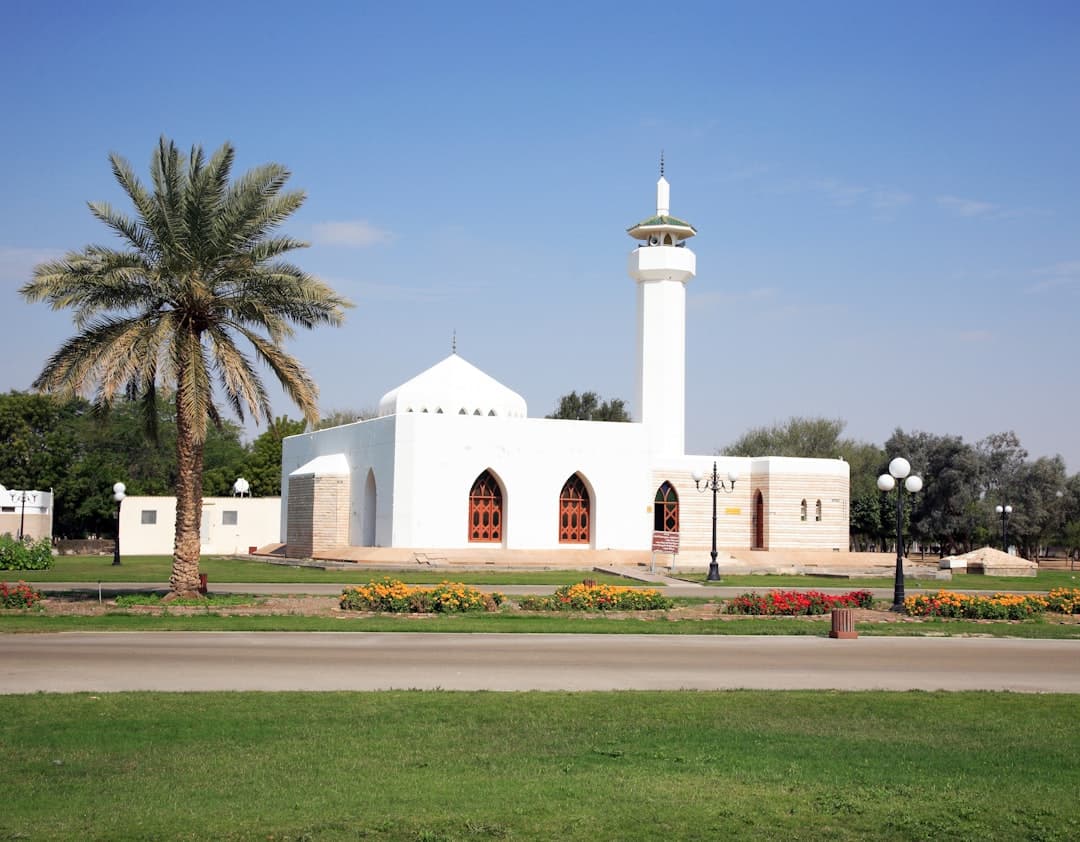
Nearby, the graceful Al Noor Mosque, with its Ottoman-inspired domes on the lagoon, is among the few in the country that welcomes non-Muslim visitors on guided terms. Dress modestly and confirm visiting arrangements before you go.
The museums
Sharjah's museums are its quiet triumph. The Sharjah Art Museum holds one of the region's strongest collections, while the Museum of Islamic Civilisation, set in a restored souq building, traces science, faith and craft across the Islamic world under a beautiful blue dome.
Even a visitor with limited time can pick one and come away with a fuller sense of the region. With a guide, these spaces open up faster, their context drawn out rather than left to wall labels.
The souqs
The souqs are where Sharjah's commerce and culture meet. The Blue Souq, with its distinctive tiled facade, deals in gold, carpets and curiosities, while the older market lanes near the creek still trade spices, textiles and household goods at an everyday pace.
Bargaining is part of the ritual and good-natured. Even if you buy nothing, the souqs are a sensory anchor to the day, full of scent, colour and conversation.
The Mleiha desert
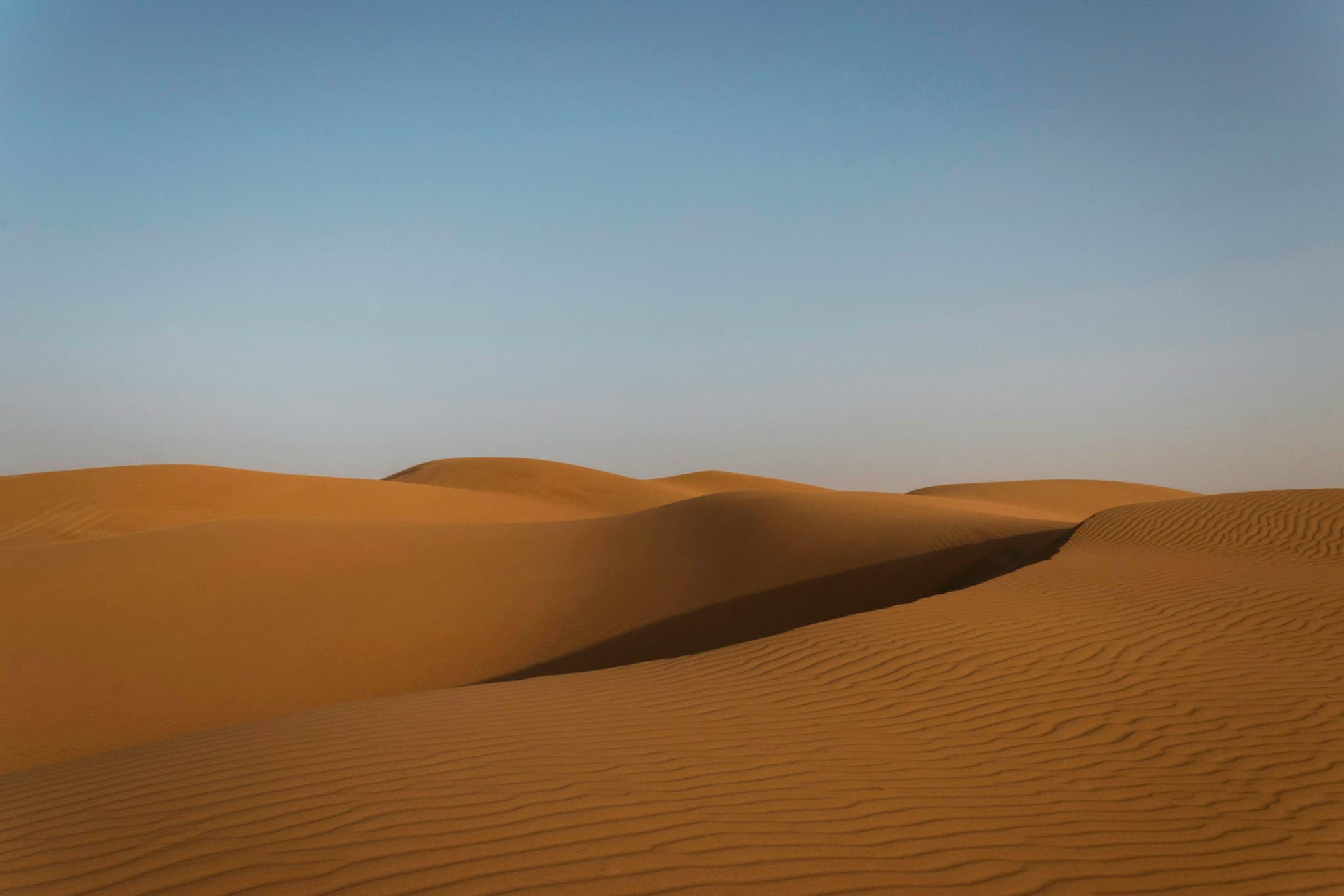
Inland, Sharjah turns wild. The Mleiha region is an archaeological and natural landscape of red dunes, ancient tombs and the dramatic Fossil Rock, where millions of years of geology sit exposed in the stone.
It is a striking counterpoint to the city's culture, deep time written into the desert. Guided experiences here range from archaeology and stargazing to dune drives, making it an easy and memorable extension of a Sharjah day.
- Fossil Rock for exposed marine geology in the desert
- Ancient tombs and the archaeological centre at Mleiha
- Red dunes for drives and sunset views
- Clear inland skies for stargazing after dark
The east-coast exclaves: Khorfakkan and Kalba
Sharjah's territory reaches across the mountains to the Gulf of Oman, where Khorfakkan and Kalba offer a wholly different scene: clear water, a curving corniche, a mountain amphitheatre and one of the country's oldest mangrove reserves.
These exclaves make a longer, more adventurous day, usually on their own rather than combined with the city. The drive through the Hajar mountains to reach them is part of the reward.
Planning a private Sharjah day
Sharjah's old town, mosque, museums and souqs cluster conveniently near the creek, which makes a culture-focused day easy to walk between stops. Add Mleiha for landscape, or point the whole day at the east coast for sea and mountains.
On a private tour you are collected from Dubai, with a guide in Russian, English or Arabic to shape the balance of culture, desert and coast. Sharjah observes its traditions closely, so dress modestly and confirm timings, as some venues keep distinct hours. Sharjah sits alongside the wider spread of our private cultural tours, from Abu Dhabi's museums to Dubai's old quarter.
Sharjah rewards travellers who want to understand the UAE, not just photograph it, with its restored quarters, fine museums and the wild contrast of Mleiha. A private day from Dubai, with your own guide and pace, lets you balance culture, desert and coast as you like. Message us on WhatsApp to plan it.