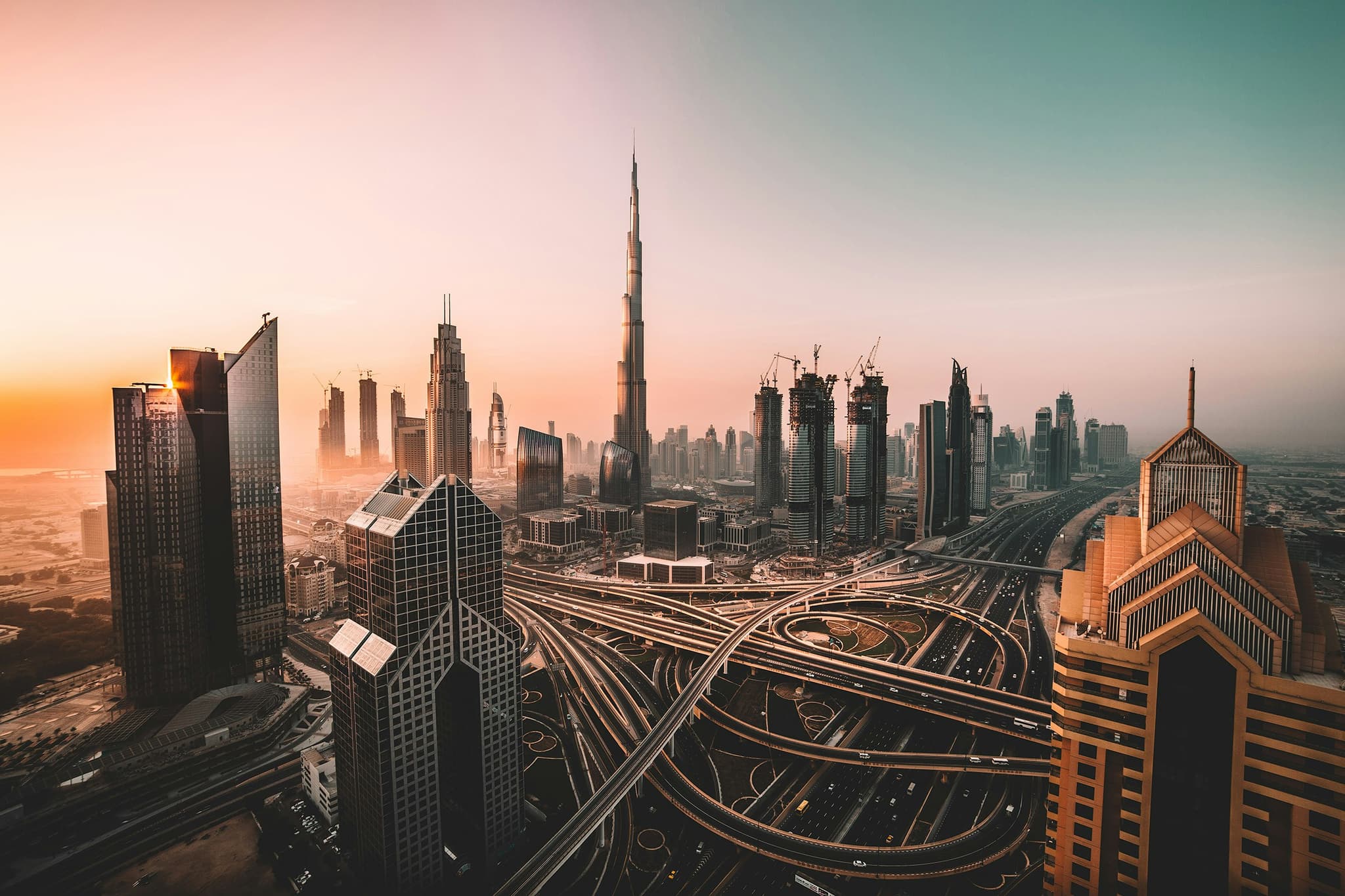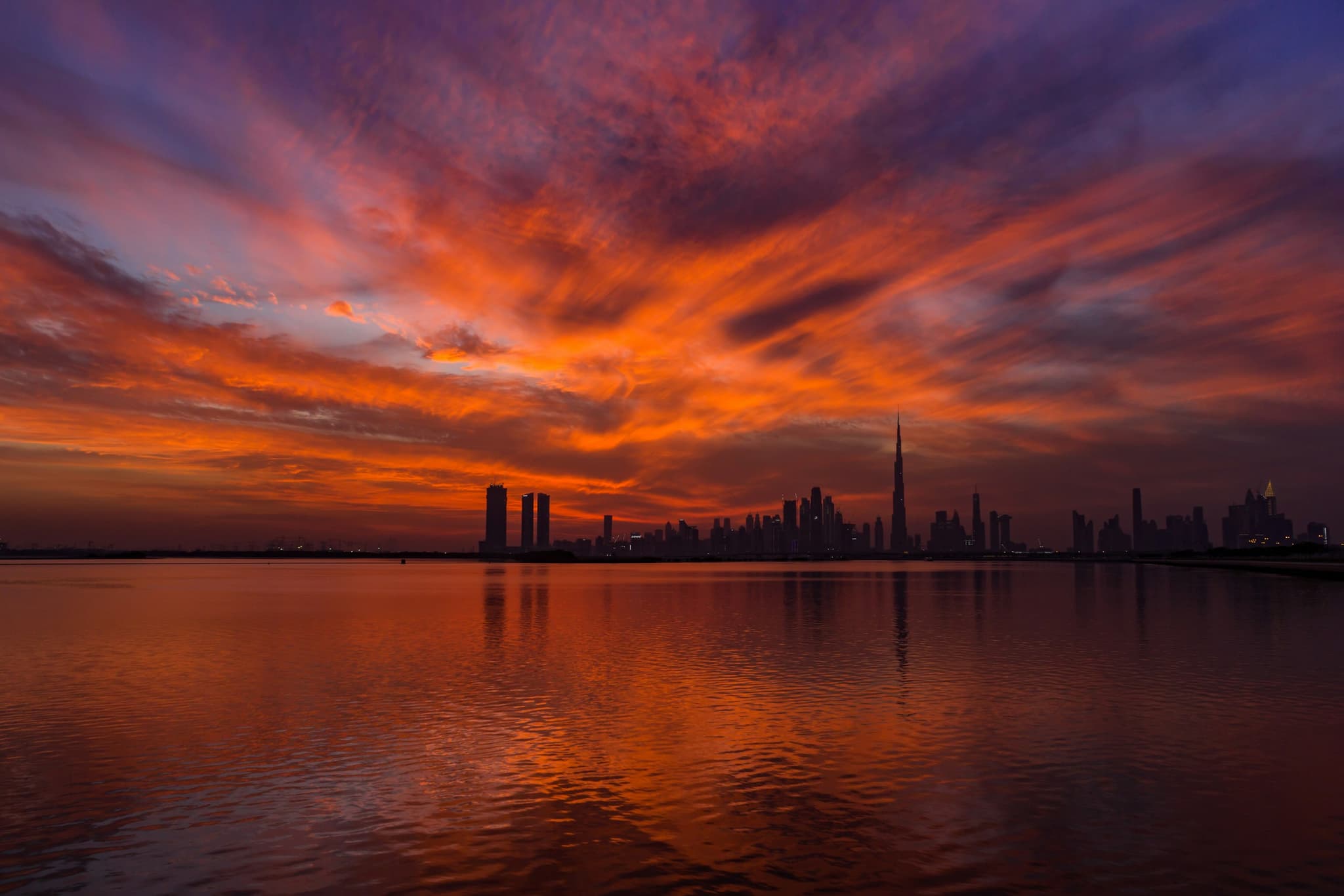
Ramadan in Dubai is the city in a softer key. Through the holy month the daytime slows, the pace turns inward and reflective, then each evening the streets, tables and lanterns come alive after sunset. For a visitor it is one of the most atmospheric times to be here, a chance to see Emirati culture at its warmest, provided you arrive knowing the rhythm and the few simple courtesies that shape the month. A private guide makes it effortless, balancing quiet daytime sights with the generous spirit of the evening.
Why visit Dubai during Ramadan
Ramadan shows a side of Dubai the high season never does. The malls and museums are calmer by day, hotel rates often ease, and the whole city carries a gentle, communal mood that rewards a slower kind of travel.
It suits travellers curious about local culture and happy to trade late-night clubbing for late-night dinners, lantern-lit majlis tents and the daily drama of the fast breaking at sunset. With a little awareness, it is a rich and rewarding time to visit, especially alongside our wider Muslim-friendly Dubai guide.
Understanding Ramadan and the daily rhythm
Ramadan is the ninth month of the Islamic calendar, when Muslims fast from dawn to sunset, abstaining from food and drink as a practice of discipline, charity and reflection. Its dates shift earlier each year, so the season it falls in changes over time.
The day has a clear shape: a pre-dawn meal called suhoor, a quiet fasting day, then iftar at sunset when the fast is broken, often with dates and water, followed by lively evenings that can run close to dawn. Knowing this rhythm is the key to enjoying the month.
Etiquette every visitor should know
The courtesies of Ramadan are simple and warmly appreciated. As a visitor you are not expected to fast, but a little discretion during daylight goes a long way and is part of joining the spirit of the month.
Tourists can still eat and drink, though by day this is done out of sight of those fasting, in hotels and screened restaurants rather than on the street. Dressing modestly and greeting people with 'Ramadan Kareem' are small gestures that open doors.
- Avoid eating, drinking or smoking in public during daylight hours
- Dress modestly, covering shoulders and knees, especially at cultural sites
- Keep music and behaviour low-key in public during the day
- Greet hosts with 'Ramadan Kareem' and accept hospitality warmly
What stays open during the day
Far from shutting down, Dubai keeps running through Ramadan, simply on a softer timetable. Malls, attractions and museums stay open, often with shorter daytime hours and later, livelier evenings once the fast is broken.
Many restaurants serve through the day discreetly behind screens or via room service, while shops and souks come into their own after dark. Checking opening times in advance, and planning the big outdoor sights for the cooler edges of the day, keeps everything smooth.
Iftar and the evening table
Iftar is the heart of Ramadan, the moment at sunset when the fast is broken and the whole city exhales. It begins traditionally with dates and water, then opens into a generous spread shared with family, friends and often strangers welcomed to the table.
Across Dubai, hotels and restaurants lay out lavish iftar buffets and elegant majlis tents, while the simpler community iftars reveal the month's spirit of giving most clearly. Joining one, by invitation or booking, is among the most memorable things a visitor can do.
Mosques and cultural sights in Ramadan
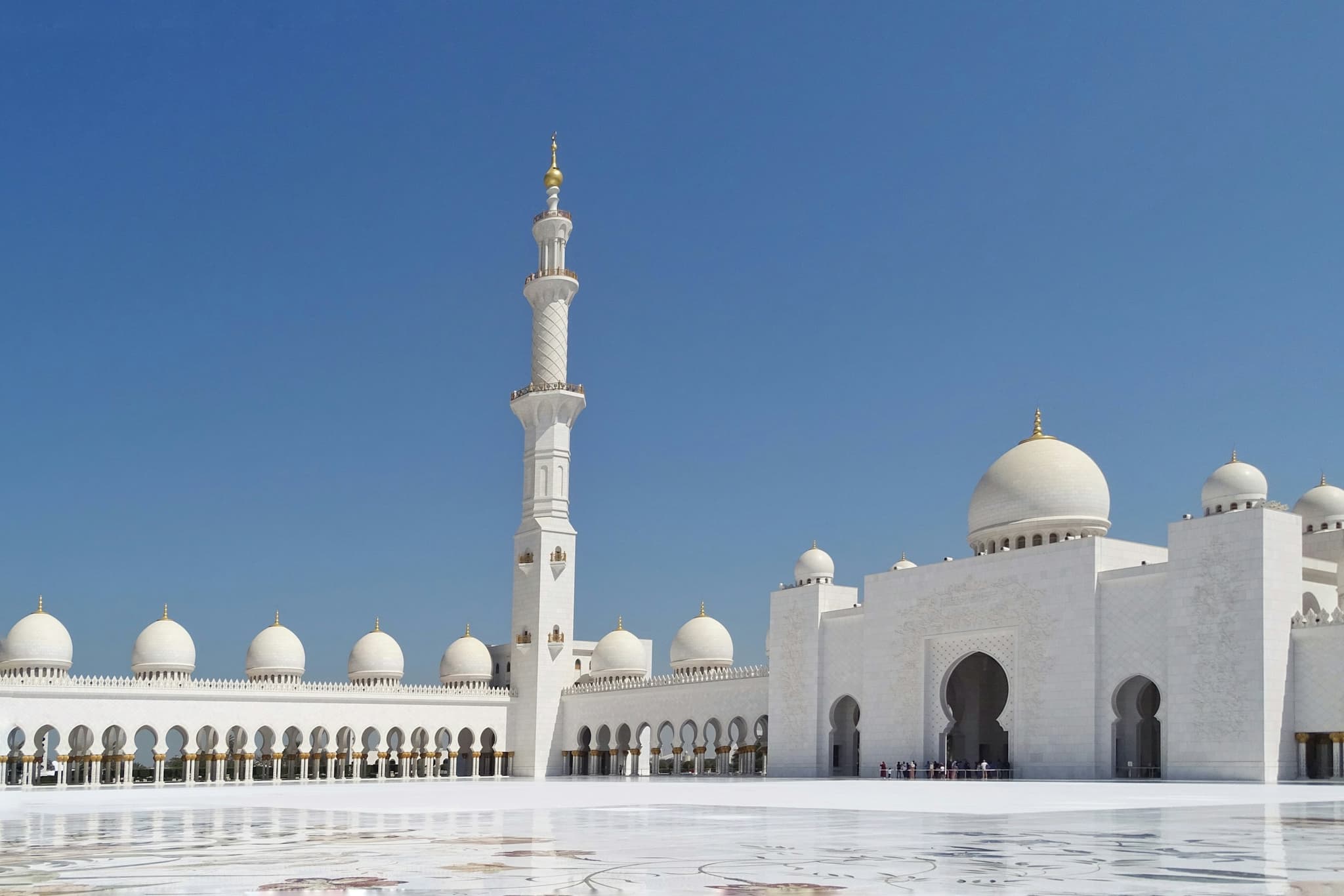
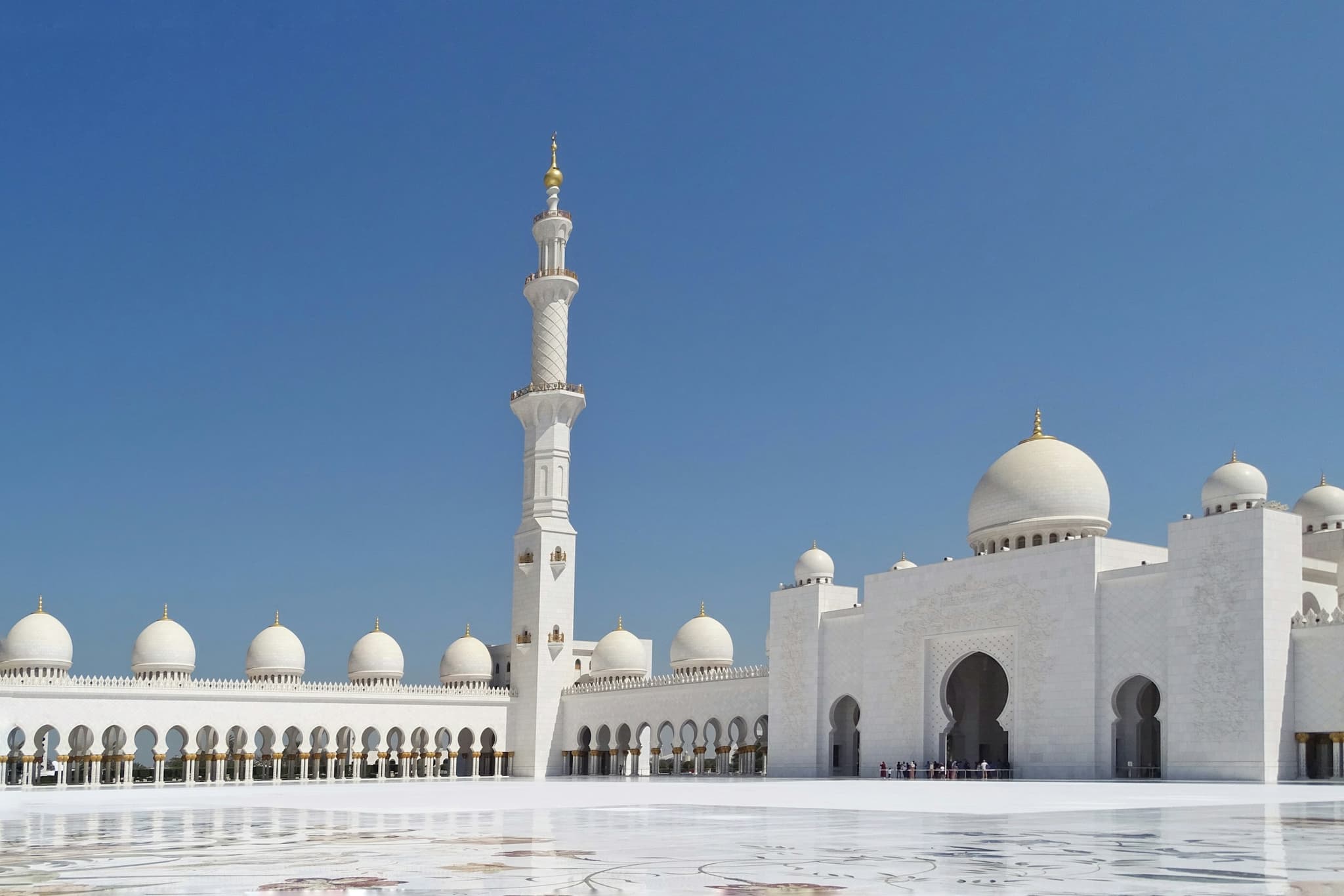
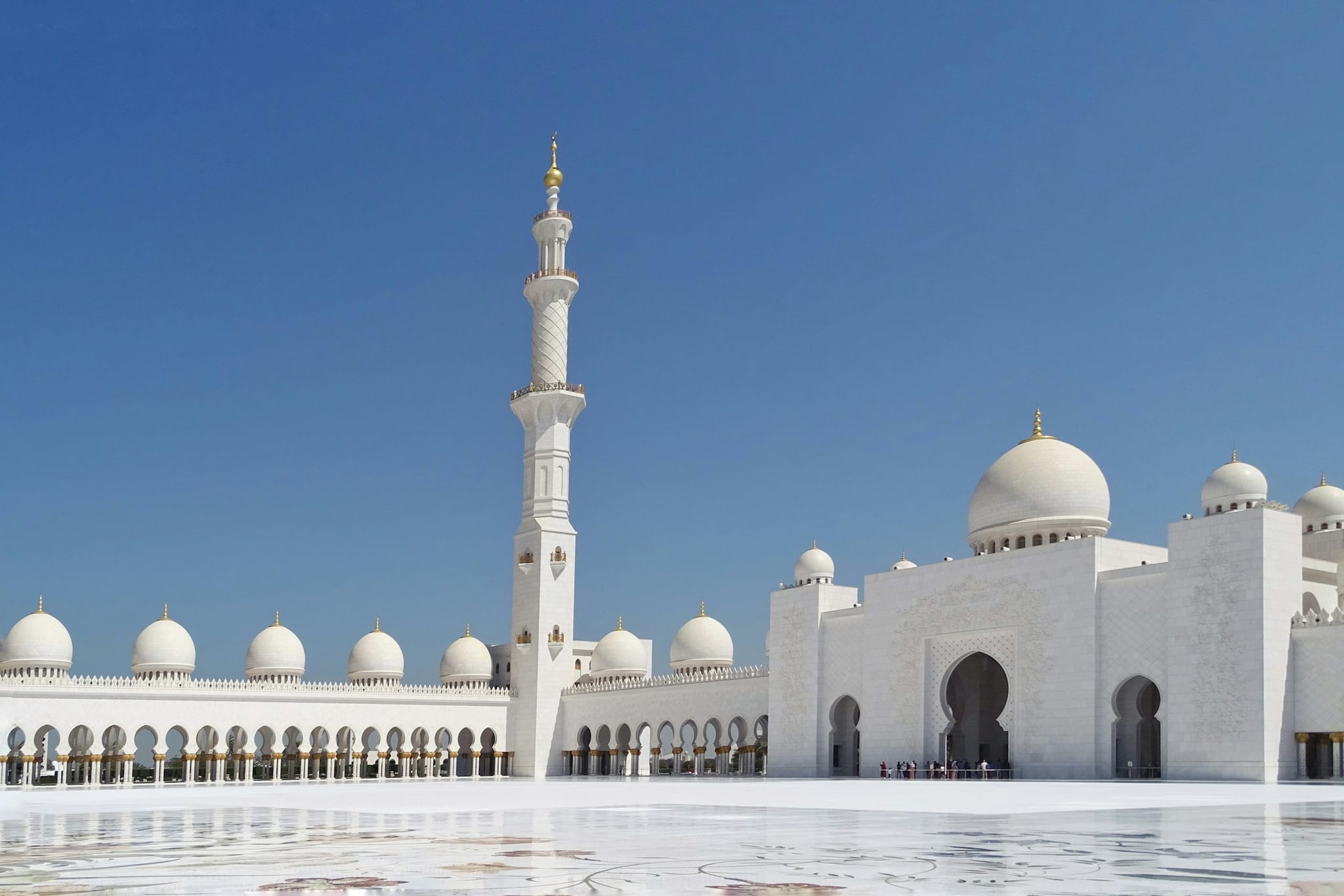
Ramadan is a fitting time to visit the region's great mosques. At the Sheikh Zayed Grand Mosque in Abu Dhabi, the white marble and reflective pools take on a special stillness, and a respectful visit outside prayer times is welcomed with the usual modest dress.
Cultural quarters such as Al Fahidi and the city's heritage centres run programmes that explain the month and its customs, sometimes with shared iftars and talks. A guide who can read the etiquette and timing turns these visits into genuine encounters rather than cautious ones.
Planning a private day in Dubai during Ramadan
The trick to Ramadan is to flow with its rhythm rather than against it. Gentle mornings for indoor sights and mosques, a rest in the heat of the afternoon, then an evening built around iftar and the city coming alive is the pattern that works best.
On a private tour you are collected from your door, with a guide in Russian, English or Arabic who knows which sights keep daytime hours, where to break the fast and how to honour the customs of the month. It is the easiest way to experience Ramadan in Dubai with confidence and grace.
Because Ramadan shifts against the Gregorian calendar every year, it is worth checking the wider UAE events calendar in advance to see whether a trip overlaps with another major season, the Dubai World Cup horse racing, the Abu Dhabi Grand Prix or the shopping festival, and how that would shape the itinerary.
Looking ahead, the next Ramadan is expected to begin in early February 2027, roughly eleven days earlier on the Gregorian calendar than in 2026, though the precise date is only confirmed by moon sighting a day or two beforehand, so treat any date as a working estimate rather than a fixed booking anchor. For travellers weighing a 2027 trip, this shift matters: an earlier Ramadan means milder daytime temperatures for fasting and sightseeing alike, and it sits closer to the cooler tail of the winter season rather than deep into spring. Building in a little flexibility around the exact start date, and confirming nearer the time, is the safest way to plan a Ramadan visit that far out. Travelers considering a group-format alternative can find the Dubai Ramadan guide on gett.travel.
Ramadan in Dubai is the city at its most generous and reflective, quiet, lantern-lit days that open into warm, abundant evenings. With a private guide who knows the rhythm, the etiquette and the best tables for iftar, you can experience the holy month with ease and respect. Message us on WhatsApp and we will shape your days around it.