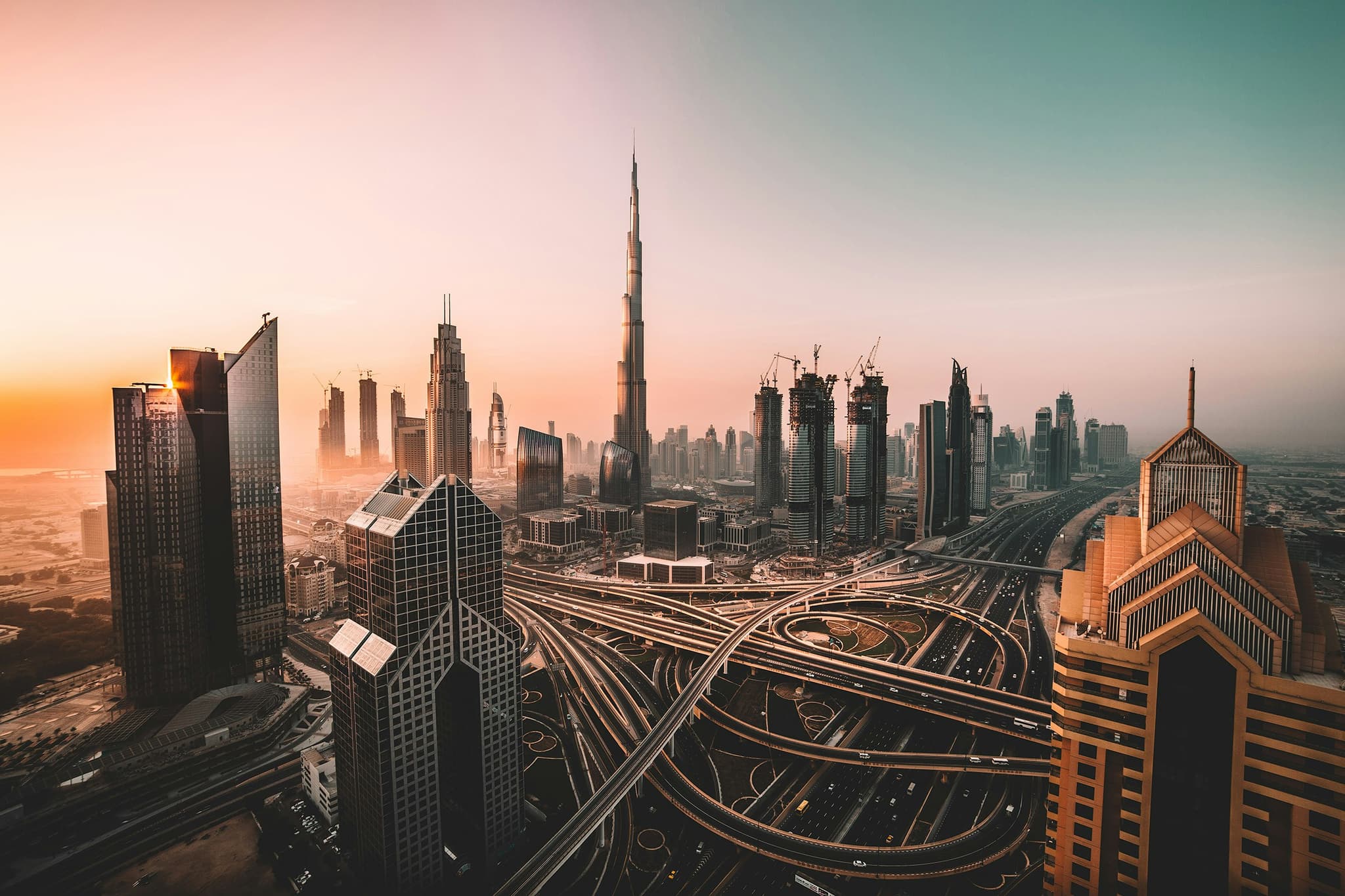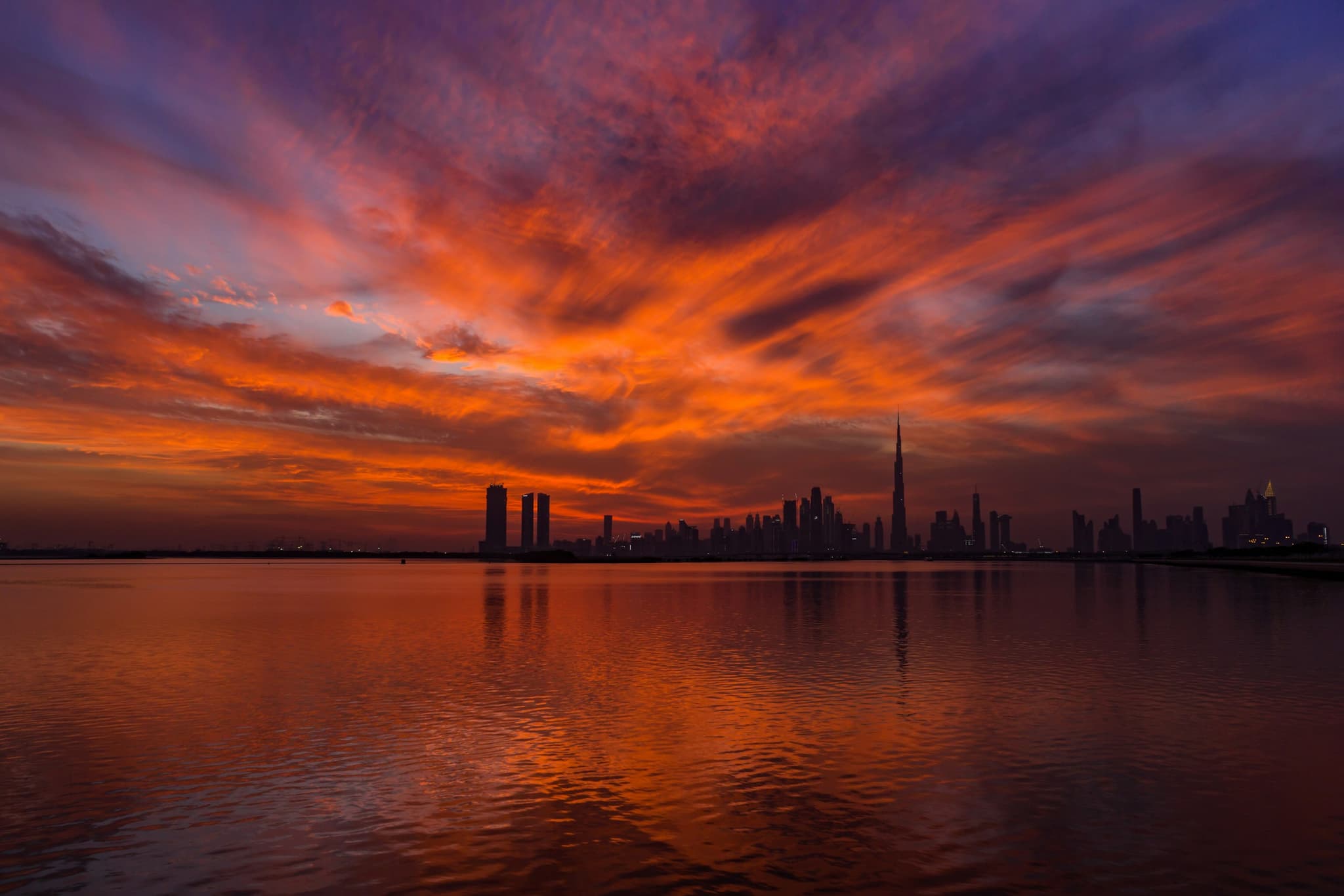
Few cities make life as easy for a Muslim visitor as Dubai. Here the patterns of faith are not something you have to seek out or quietly arrange around; they are built into the texture of the place. The adhan drifts across the skyline five times a day, mosques stand in every district, prayer rooms wait inside malls, airports and office towers, and the question of whether a dish is halal almost never arises because the answer is nearly always yes. The working week, the public holidays and the rhythm of Ramadan all follow the Islamic calendar, and modest dress is the cultural default rather than a request. The effect, for a traveller, is a city where you can keep your prayers, your food and your sense of decorum without a single compromise, and spend your real attention on the experience: the grand mosques, the old quarters, the desert and the sea. This guide is for the Muslim visitor who wants to enjoy Dubai and the wider Emirates fully, and to do it in a way that sits comfortably with their faith, their family and their pace. It covers the places of worship, the practicalities of prayer on the move, halal dining from street stalls to fine tables, what modesty really means day to day, travelling with children and elders, and why a private guide who understands all of this turns a good trip into an effortless one.
Why Dubai feels effortless for Muslim travellers
Dubai removes the small frictions that shape a Muslim trip almost anywhere else. There is no hunting for a quiet corner to pray, no scanning ingredient lists with suspicion, no sense of being the exception in the room. The city is built around the same calendar and the same values you carry with you, so the rhythm of faith and the rhythm of travel simply align. You pray when the time comes, you eat without a second thought, and you dress as you always would, and none of it draws a second glance because it is the shared norm of the place.
That ease runs from the smallest details to the largest. Hotel rooms commonly mark the qibla, the direction of Mecca, on the ceiling or a drawer. Malls and attractions have clean, well-kept prayer rooms for men and women. Restaurants rarely need a second look, and the whole country pauses gently for the daily prayers and more deeply for Ramadan and the two Eids. For a visitor, the result is a destination where faith is a help rather than a hurdle, and where the planning energy you might spend elsewhere can go instead into seeing more of a remarkable place.
Mosques and places of worship worth seeing
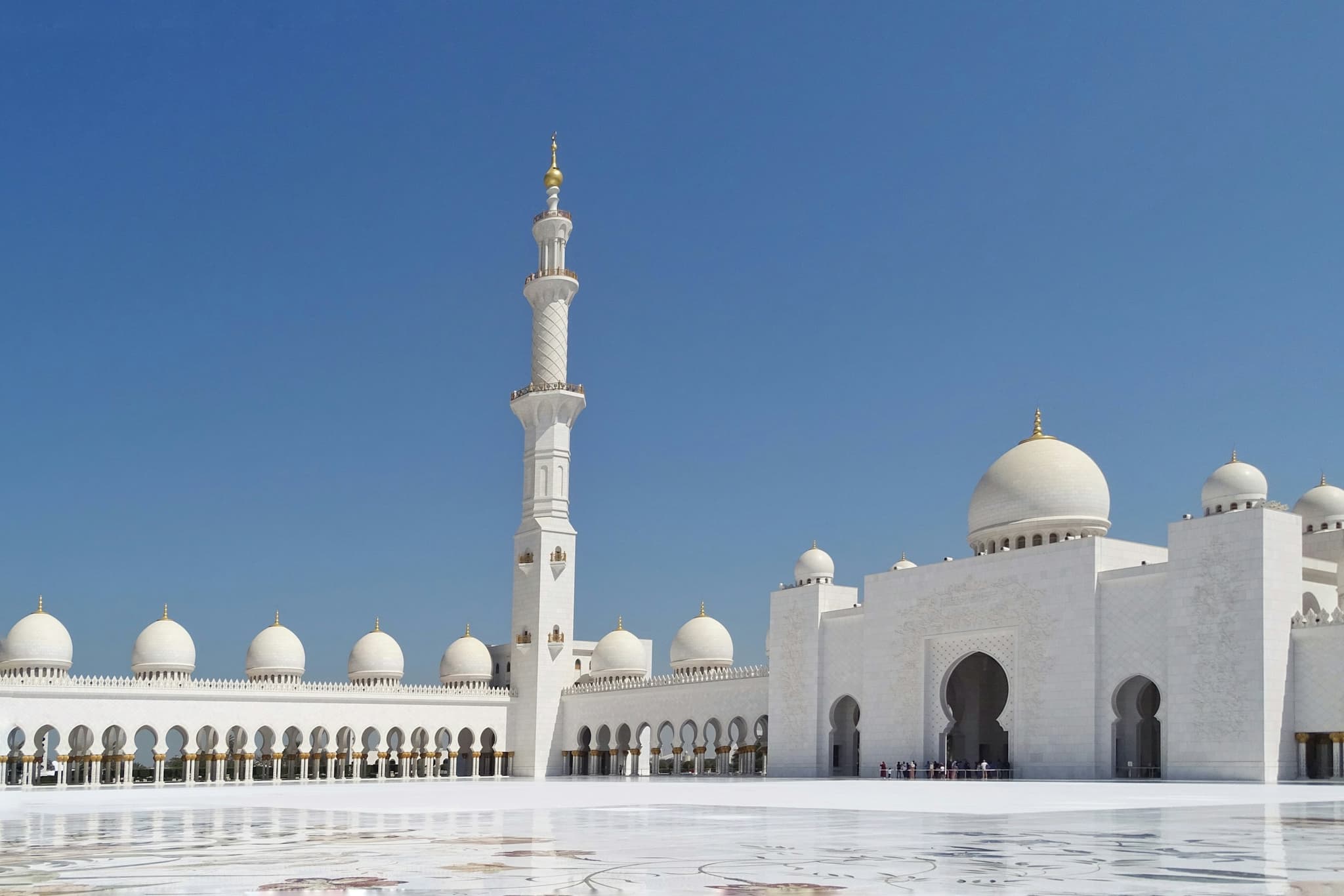
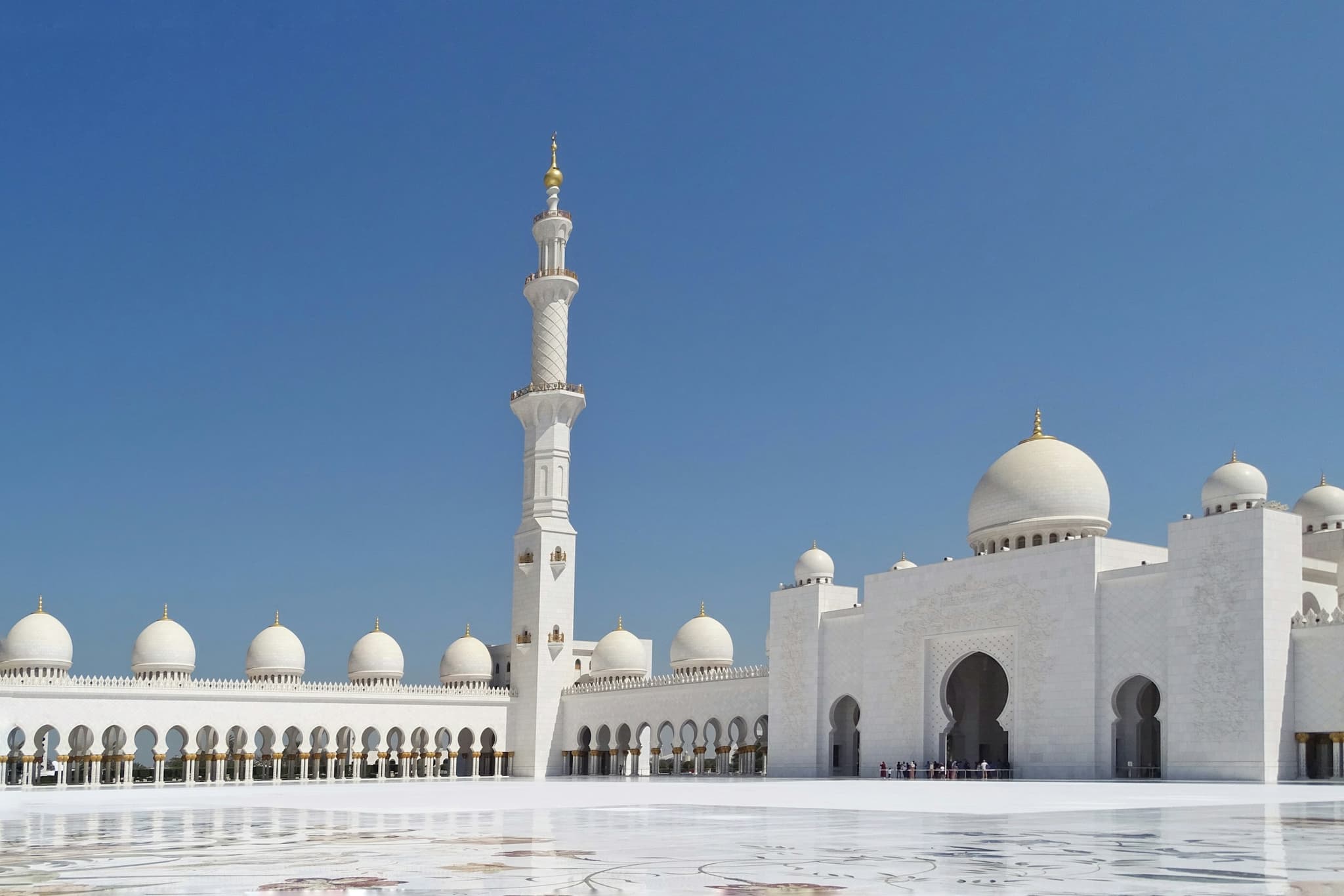
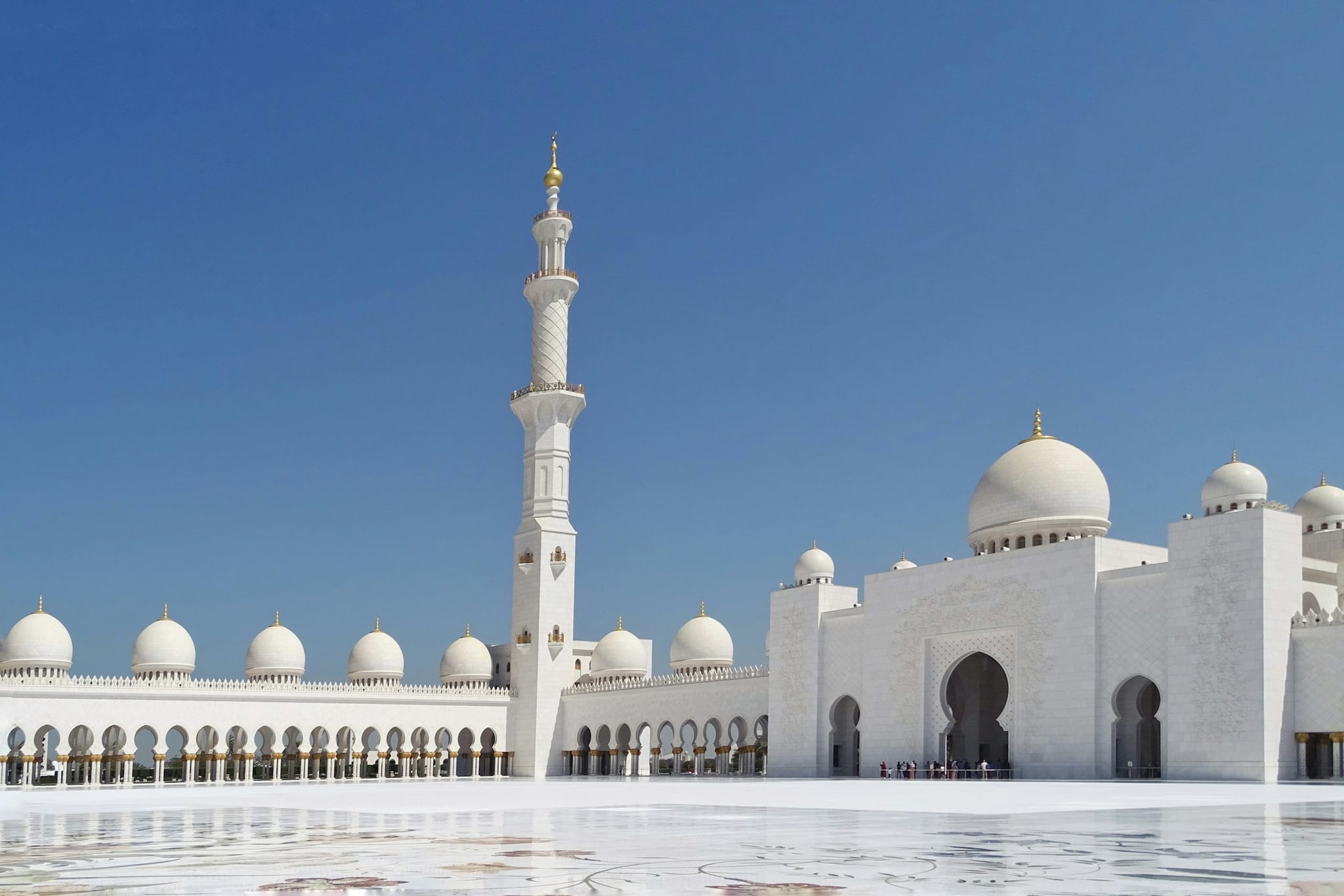
The Emirates take their mosques seriously, and the great ones are among the finest sights in the country, beautiful as architecture and moving as places of prayer. The Sheikh Zayed Grand Mosque in Abu Dhabi is the crown of them: a vast expanse of white marble, reflecting pools, floral inlay and the world's largest hand-knotted carpet, open to visitors outside prayer times and unforgettable at dusk when the walls glow. In Dubai, the Jumeirah Mosque is one of the few in the city that welcomes non-Muslim visitors through a guided cultural programme, and for worshippers there are mosques on nearly every street, from grand congregational halls to neighbourhood spaces.
For a Muslim traveller the pleasure is twofold: you can pray in these places as a believer rather than only admire them as a tourist, and you can share their meaning with family in a setting that needs no explanation. A few are worth planning a visit around:
- Sheikh Zayed Grand Mosque, Abu Dhabi, the country's largest and most magnificent, around ninety minutes from Dubai and best seen in the late afternoon.
- Jumeirah Mosque, Dubai, a graceful landmark and a centre for cultural understanding, welcoming respectful visitors of all backgrounds.
- Al Farooq Omar Bin Al Khattab Mosque, Dubai, a striking Ottoman-style mosque with blue domes and fine calligraphy.
- The Grand Mosque of Bur Dubai, set in the old city beside the creek, an easy stop on a walk through historic Dubai.
Praying on the move: prayer rooms and prayer times
Keeping your prayers while sightseeing is genuinely simple in Dubai, because the infrastructure is everywhere. Almost every mall, from the largest to the smallest, has dedicated prayer rooms, usually clearly signed, with separate spaces and washing facilities for men and women. Airports, hospitals, office towers, petrol stations on the highways and most large attractions provide them too, so you are rarely more than a few minutes from a clean, quiet place to pray wherever the day takes you.
Prayer times follow the city's official schedule and are easy to track on any app, and you will hear the adhan from nearby mosques as a natural reminder. If you prefer to pray in a mosque, you are never far from one, and visitors are welcome at the times of congregational prayer. The only thing worth doing in advance is keeping a sense of where the next prayer falls in your plan for the day, and a guide who knows the city can fold that into the itinerary so a stop for prayer never feels like an interruption.
Halal dining, from street food to fine tables
Eating in Dubai is one of the great pleasures of a visit, and for a Muslim traveller it comes without the usual caution. The default across the city is halal, so the vast majority of restaurants, from humble shawarma counters to the most celebrated dining rooms, serve food you can eat freely. The exceptions are clearly understood: a minority of venues attached to hotels or international chains serve pork or alcohol and label it plainly, which makes it easy to choose with confidence rather than guesswork.
The range is extraordinary. You can graze on Emirati and Levantine classics in the old quarters, sample the cooking of the whole subcontinent and the wider Muslim world, and still dine at the height of international fine dining, almost all of it halal. A few directions worth following:
- The old city around Deira and Bur Dubai for authentic Emirati, Iranian and South Asian food at honest prices.
- Al Seef and the creekside for traditional dishes in a restored heritage setting by the water.
- Global Village and the food quarters for street food from across the Muslim world in one place.
- The fine-dining rooms of Downtown and the Marina, where many of the best tables are fully halal and happy to confirm it.
Modest dress and everyday etiquette
Dubai is a cosmopolitan, relaxed city, and you will see every style of dress on its streets, but modesty is the underlying norm and the easiest way to feel at home. In practice this means covering shoulders and knees in public places, malls, souks, government buildings and the older neighbourhoods, and dressing more conservatively still when visiting a mosque, where women cover the hair, arms and legs and everyone removes their shoes. On the beach and at hotel pools, ordinary swimwear is fine; the modesty applies to the public, everyday spaces in between.
Beyond dress, the etiquette is the gentle courtesy you would expect and already practise. Public displays of affection are kept discreet, the right hand is used for greeting and eating, and a warm, unhurried politeness goes a long way. During Ramadan, eating, drinking and smoking in public during daylight is avoided out of respect, though hotels and screened areas cater to those not fasting. For a Muslim visitor none of this is new; it is simply the familiar code of decorum, shared by the city around you.
Travelling as a Muslim family
Dubai is built for families, and for a Muslim family it is especially comfortable. Children are welcomed everywhere, from restaurants to mosques to attractions, and the city's whole infrastructure of malls, parks, beaches and indoor activities is geared toward keeping them happy in any weather. Prayer rooms, halal food and modest norms mean parents are never managing a conflict between a day out and the family's faith; the two simply coexist. Multi-generational groups travelling with grandparents find the same ease, with accessible, air-conditioned, unhurried options at every turn.
The art with a family is pacing, and that is where a private day pays off. Rather than dragging children and elders through crowds, queues and the heat, you move at your own rhythm in one comfortable car, pausing for prayer, for meals, for rest and for the sights that matter most to you. A mosque visit, an afternoon by the creek, a desert sunset and an early dinner can be threaded into a single calm day that suits the youngest and the oldest alike, which is exactly the kind of trip Dubai makes possible.
Why a faith-aware private guide makes the difference
Everything that makes Dubai easy for a Muslim visitor becomes easier still with a private guide who shares and understands the same priorities. Instead of working the practicalities out yourself, you travel with someone who knows the prayer times, the best mosques to visit and when, the halal tables worth booking, and the modest, family-minded way through a busy city. The day is shaped around you: a stop for prayer is built into the route, lunch is somewhere you can eat without a question, and the pace respects your family rather than a fixed schedule.
That is the quiet value of a private day in Dubai for a Muslim traveller. It removes the last small frictions of faith on the road and lets you simply be present, to the beauty of the Grand Mosque, the calm of the old creek, the vastness of the desert, the comfort of your family around you. The guide handles the logistics and the local knowledge; you keep your prayers, your food and your pace; and the trip becomes what travel at its best should be, a rich experience that never once asks you to set your faith aside.
Dubai is one of the gentlest cities in the world to visit as a Muslim. The call to prayer marks the day, mosques and prayer rooms are everywhere, halal food is the rule rather than the exception, and modesty is simply the shared norm. From the magnificent Sheikh Zayed Grand Mosque to the quiet creekside of the old city, you can experience the best of the Emirates without ever setting your faith aside. A private, faith-aware day removes the last small frictions, prayer woven into the route, halal tables chosen with care, a pace that suits children and elders alike, so that all that is left is the pleasure of the place. For a Muslim traveller, that is what makes Dubai feel less like a foreign city and more like a welcome away from home.