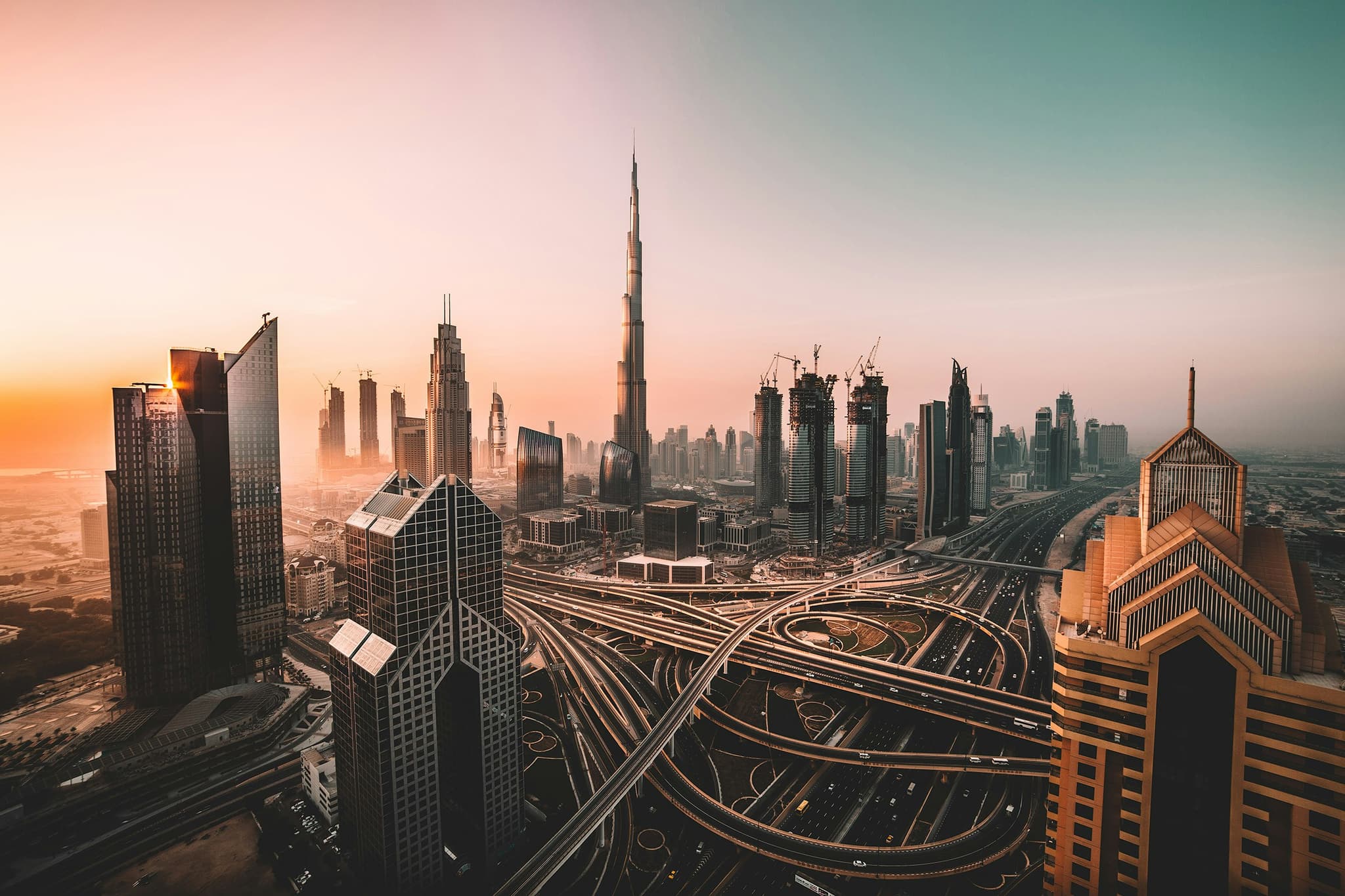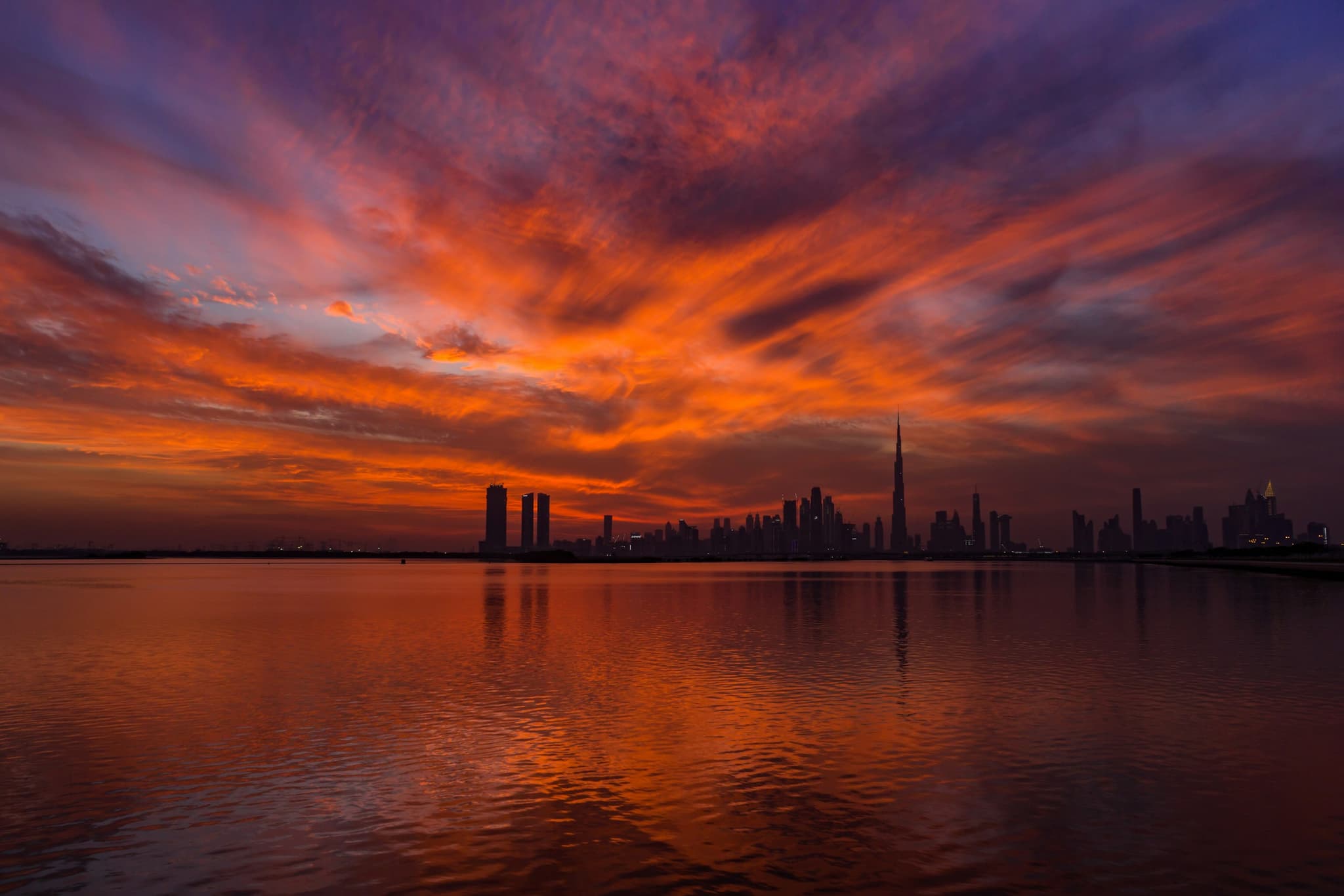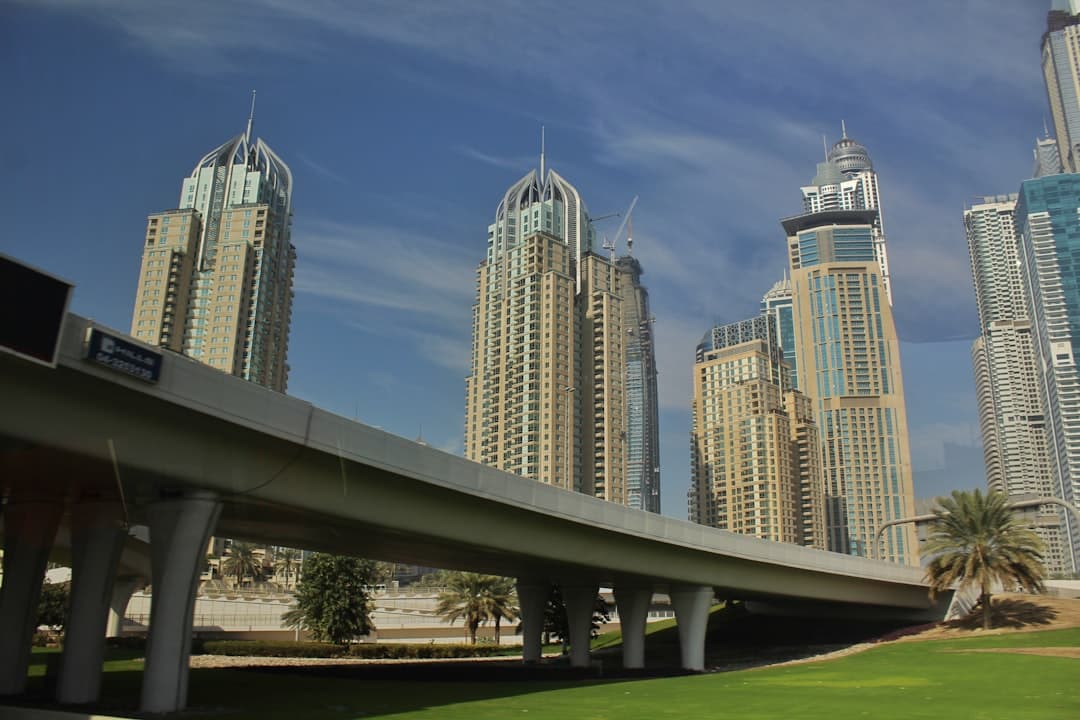
Ask anyone who has been, and Dubai's reputation for safety is usually one of the first things they mention. It is a city where people walk, dine and use their phones late at night without a second thought, where petty crime is rare and where the emergency services are quick and efficient. For visitors that reputation is genuinely reassuring, but it is worth knowing what sits behind it. Feeling completely at ease in Dubai is mostly about awareness rather than caution: understanding a handful of local laws, dressing appropriately in public, and managing the climate rather than any threat from crime. This guide walks through all of it, from the overall picture to advice for women and families, everyday safety, and the emergency numbers to save before you go.
Just how safe is Dubai?
Dubai has built a global reputation as one of the safest large cities you can visit, and the reputation is well earned. Violent crime is very rare, petty theft is uncommon even in crowded markets and on the metro, and it is entirely normal to see people walking, dining and using their phones late into the night without any concern. A visible, professional police presence and extensive public surveillance underpin all of this, and the city's stability is one of the main reasons so many families and solo travellers return to it year after year.
That said, feeling safe in Dubai is less about worrying over crime and more about understanding that you are a guest in a country with its own laws and customs. The Emirates are welcoming and cosmopolitan, but certain behaviours that pass unremarked at home can cause real problems here. The good news is that the rules are clear, easy to respect and rarely a burden for an ordinary visitor. Knowing them in advance is what turns a safe city into a completely relaxed trip.
The local laws worth knowing before you go
Most of what keeps visitors on the right side of the law in Dubai comes down to common courtesy and a little cultural awareness. You do not need to memorise a legal code; you simply need to be aware of a handful of areas where local rules are stricter than you might expect at home, including the clear framework around where and how you can legally buy and drink alcohol. Keep the following in mind and you are very unlikely to run into any difficulty:
- Dress modestly in public places, malls and government buildings; beachwear belongs only at the beach and pool
- Save public displays of affection for private settings, as kissing and embracing in public is frowned upon
- Alcohol is served in licensed hotels, bars and restaurants, but drinking or being drunk in public is an offence
- Drugs of any kind carry extremely severe penalties, with a strict zero-tolerance policy and no exceptions
- Ask permission before photographing people, and never photograph government, military or airport buildings
- Swearing, rude gestures and aggressive behaviour, in public or online, can be treated as a criminal matter
- During Ramadan, avoid eating, drinking or smoking in public during daylight hours if you visit in the holy month
Dubai for women travellers
Dubai is widely regarded as one of the most comfortable destinations in the region for women, including those travelling alone. The low crime rate applies just as much here: street harassment is uncommon, public transport is safe, and the Dubai Metro even reserves dedicated carriages for women and children during busy hours. Women dine out, shop and explore independently across the city, and hotels and restaurants are entirely accustomed to solo female guests.
A few sensible habits make the experience even easier. Dressing modestly in public areas draws less attention and shows respect for local norms, though there is no requirement to cover your hair. Use official taxis or ride-hailing apps rather than unmarked cars, particularly late at night, and many taxi fleets offer pink-roofed cars driven by women if you prefer. Many solo travellers also like the reassurance of a private, guided day around the city, where the transport and pacing are already handled. None of this reflects a place that feels unsafe; it simply lets you move through the city with the same easy confidence that locals do.
Travelling with family and children
Few cities are as geared towards families as Dubai. It is clean, orderly and built around large, air-conditioned spaces where children are genuinely welcome, from sprawling malls with indoor play areas to world-class aquariums, theme parks and beaches with calm, shallow water. Standards of hygiene and medical care are high, baby-changing facilities and family rooms are widespread, and the general atmosphere of safety means parents can relax in a way that is not always possible elsewhere.
The main things to manage with children are practical rather than security-related: the heat, hydration and pacing. In the warmer months, plan outdoor activities for early morning or evening and build in plenty of indoor time in between. Car seats are advisable for young children, tap water is desalinated and considered safe though many prefer bottled, and there is no shortage of pharmacies and clinics should a minor issue arise. A private city tour built around nap times and shaded stops keeps the heat and the pacing manageable without any guesswork. For families, Dubai's biggest safety advantage is simply how little there is to worry about.
Everyday safety: heat, traffic and your belongings
If there is a genuine hazard in Dubai, it is the climate rather than crime. Summer temperatures are extreme, and heat exhaustion is a real risk for visitors who underestimate it. Drink water constantly, seek shade and air conditioning in the middle of the day, wear sun protection and do not push long outdoor walks during peak heat. The other everyday consideration is traffic: roads are fast and modern, so cross only at designated crossings and take particular care as a pedestrian.
Ordinary precautions cover the rest. Petty theft is rare but not unheard of, so keep an eye on valuables in very crowded places just as you would anywhere. Keep a digital copy of your passport and important documents, use hotel safes, and be mildly wary of the same online and card scams that exist worldwide. Beyond that, there is little to guard against. Most visitors are struck by how quickly they stop thinking about safety at all and simply enjoy the city.
- Save the Dubai Police app or the 901 non-emergency line for anything minor, reporting a lost item or a small dispute takes minutes
- Use only metered RTA taxis or licensed ride-hailing apps such as Careem or Uber, both widely available and reliable
- Hotels and serviced apartments run 24-hour security and reception, so a spare key or a late check-in is never a real problem
- Tap water is desalinated and safe to drink, though most visitors still prefer the bottled water sold everywhere
- Keep a photo of your passport and hotel address saved on your phone, useful for taxis, forms and any unexpected question
If something goes wrong: help and emergency numbers
In the rare event that you need assistance, help is easy to reach and the emergency services are efficient and used to dealing with visitors. The general emergency and police number is 999, the ambulance number is 998 and the fire service is 997; all can be called free of charge and English is widely understood by operators. Dubai also runs a dedicated Tourist Police service to help visitors specifically, and its officers are approachable and accustomed to questions from travellers.
For anything less urgent, your hotel front desk is an excellent first port of call and can point you to a clinic, translate or contact the right service on your behalf. If you lose your passport, contact your embassy or consulate, most of which are represented in the UAE. Keep your travel insurance details accessible, note down your accommodation's address, and save these few numbers in your phone before you arrive. With that small amount of preparation, you are covered for almost anything.
Seeing Dubai with a private guide
One of the simplest ways to feel completely at ease in a new city is to explore it with someone who knows it intimately. A private guide does more than show you the sights: they navigate local customs on your behalf, know exactly where dress codes apply, handle transport and logistics, and are on hand to answer the small questions that make an unfamiliar place feel familiar. Whether that means a relaxed photo tour of the skyline or a full day tailored to a family, that reassurance turns a safe trip into a genuinely carefree one.
That is exactly what we offer at gett.tours: private, tailor-made days in Dubai and across the Emirates, guided in your language and built around your pace and interests. From an airport welcome to a full itinerary with your own car and driver, we take care of the practicalities so you can simply enjoy the city with confidence. Tell us your dates and what you would like to see on WhatsApp, and we will plan a trip that feels as comfortable as it is memorable.
Dubai is one of the safest cities you can choose, with very low crime, efficient emergency services and a culture built around order and hospitality. Feeling safe here is mostly a matter of awareness rather than caution: respect the local laws on alcohol, public behaviour, drugs and photography, dress modestly away from the beach, and manage the heat rather than any threat from crime. Women and families in particular find the city reassuringly easy. Save the emergency numbers, keep copies of your documents, and you can relax almost completely. And when you would like a guiding hand, message us on WhatsApp and we will plan a private Dubai trip that is as carefree as it is memorable.