First-time visitors often arrive braced for a long list of rules and then relax within hours, because Dubai is genuinely one of the most tolerant and international cities anywhere, where more than nine in ten residents come from somewhere else and English is heard on every street. The point of learning a little etiquette here is not fear of getting into trouble, it is the simple pleasure of being a good guest in a place that is proud of its culture. Emirati society is warm, hospitable and family-centred, shaped by Islam and by a Bedouin tradition of generosity, and it responds beautifully to visitors who show a bit of awareness. What follows is less a set of prohibitions than a way of moving through the city with grace: how to behave in public, when to ask before you photograph, how to visit a mosque, the rhythm of greetings and hospitality, and the small shifts that matter during the holy month.
The short answer: relaxed and international, with a few clear courtesies
Dubai is far more easygoing than many visitors expect. It is a global city of skyscrapers, beaches and restaurants where people from every culture live side by side, and day to day life feels familiar and unhurried. You will not be scolded for small mistakes, and the vast majority of interactions are friendly and forgiving. The customs that matter are few, sensible and easy to keep, and locals genuinely appreciate the effort rather than expecting perfection. Visitors from the Gulf and the wider Arab world often have their own specific questions, addressed separately in our guide for GCC and Arabic-speaking travellers.
The thread running through all of it is respect: for religion, for family and for a sense of public modesty that sits underneath the modern surface. Keep affection private, dress with a little care away from the beach and pool, be mindful with your camera around people, and lower your voice and temper in any dispute. Get those basics right and the rest follows naturally, leaving you free to enjoy one of the most hospitable cities you will ever visit.
Public behaviour: greetings, affection and keeping your cool
Emiratis are famously courteous, and a warm greeting goes a long way. A friendly hello, a smile and a little patience open most doors. When meeting people, a handshake is normal between men, but with a local woman or a more traditional man it is best to wait and let them offer a hand first, and a hand placed gently over the heart is a graceful way to greet without contact. Using the right hand for giving, receiving and eating is a small habit that is always noticed and appreciated.
Public displays of affection are where visitors most often misjudge the mood. Holding hands is generally fine for couples, but kissing and embracing in public are frowned upon and best kept private. Losing your temper is taken seriously too: raising your voice, swearing or making rude gestures in a dispute can cause real offence and, in extreme cases, trouble, so the local way is to stay calm, polite and softly spoken even when something goes wrong. Courtesy is the currency here, and it is returned in kind.
Photography: ask before you point the camera at people
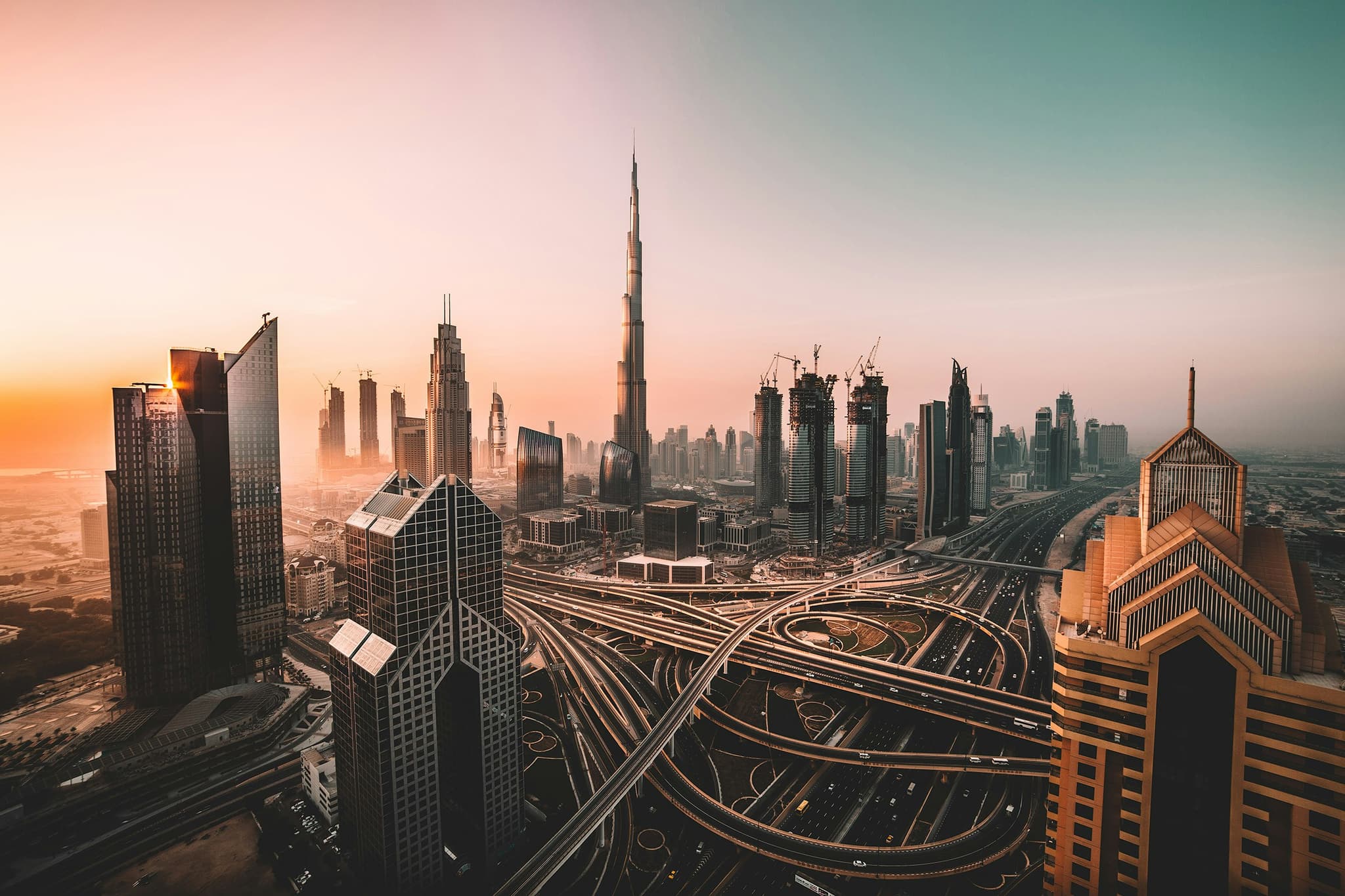
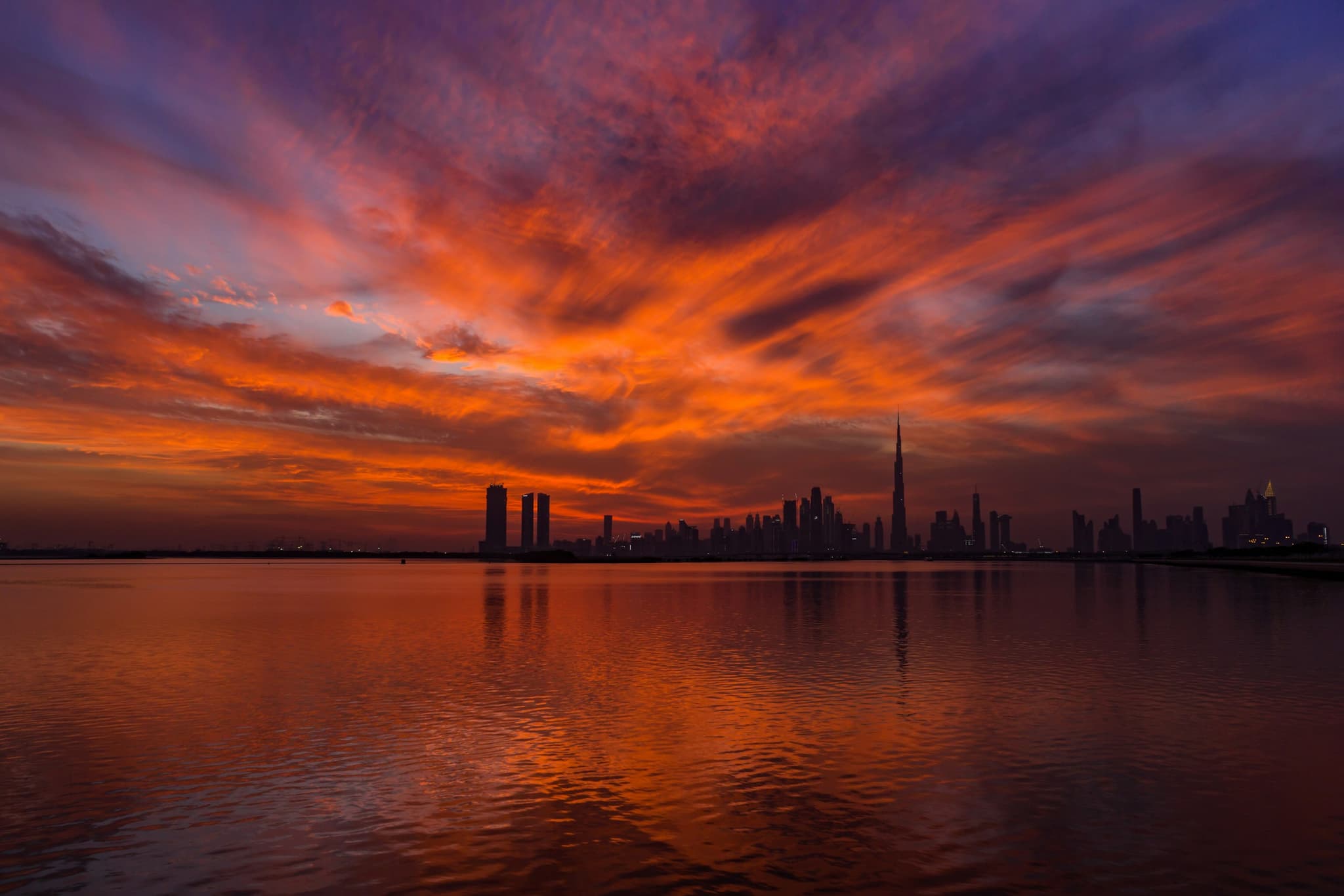
Dubai is wonderfully photogenic and taking pictures of the skyline, the beaches, the malls and the desert is completely welcome. The one firm rule concerns people. Never photograph someone without their permission, and this matters especially with local women and families, where taking a picture uninvited is a serious breach of privacy and can cause genuine upset. A smile and a gesture asking permission is all it takes, and most people are gracious about it.
There are also places where cameras should stay in your pocket. Avoid photographing government buildings, military and police sites, ports and anything that looks official or sensitive, as this can be taken seriously. Inside mosques, museums and some attractions, follow the posted signs and any guidance from staff. As a simple rule of thumb, buildings and views are free game, people and official sites are not, and when in doubt it costs nothing to ask first.
Visiting mosques and religious sites
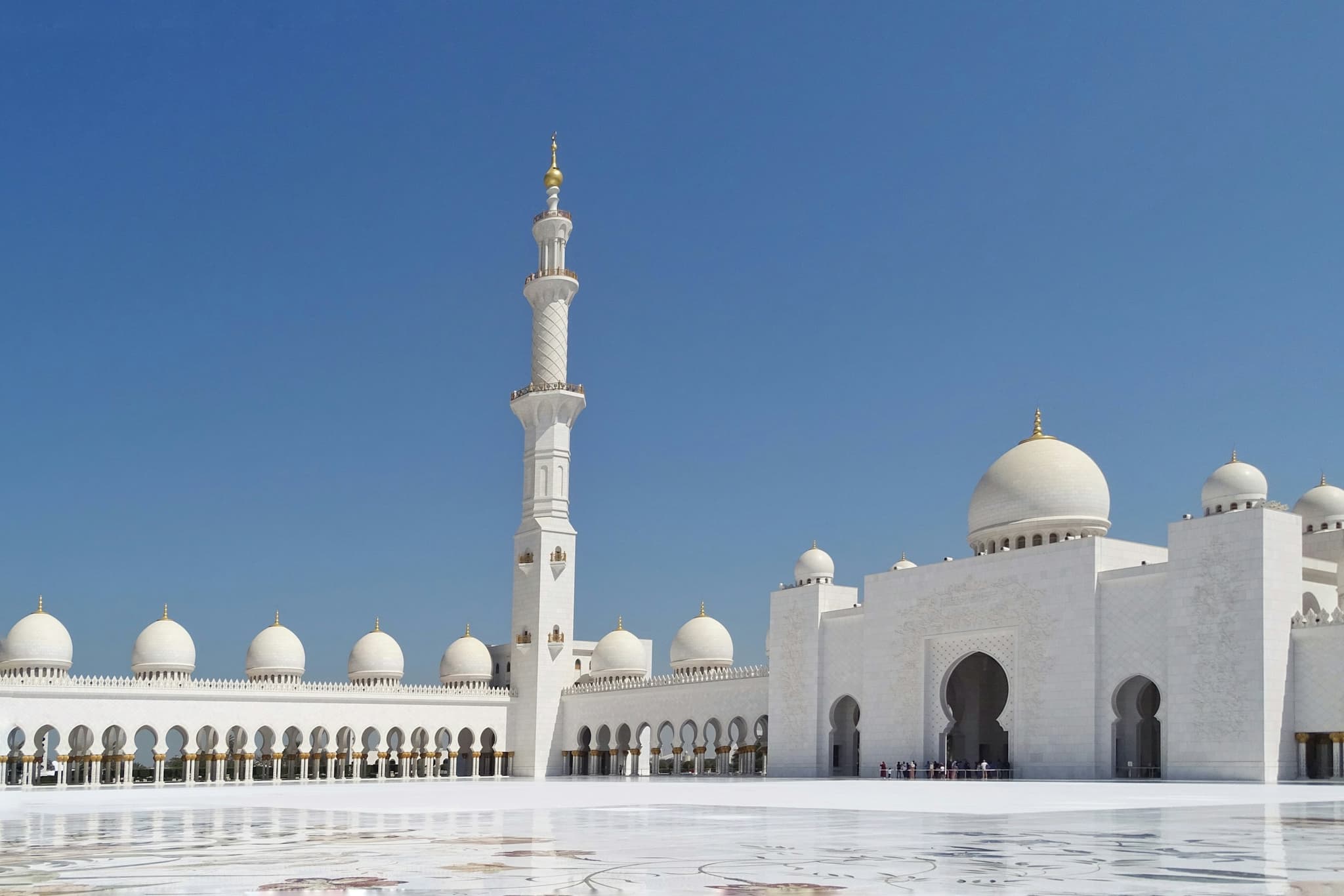
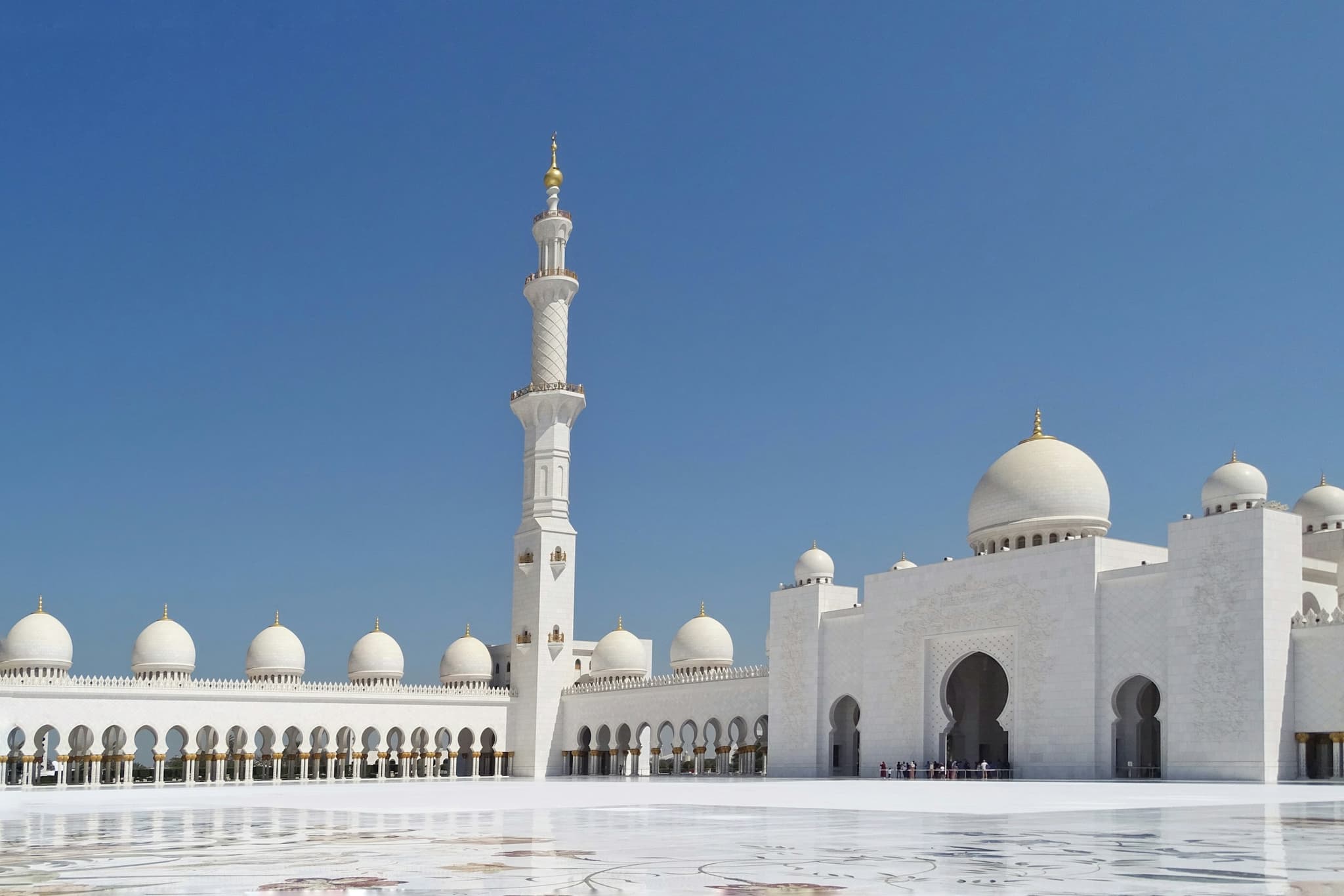
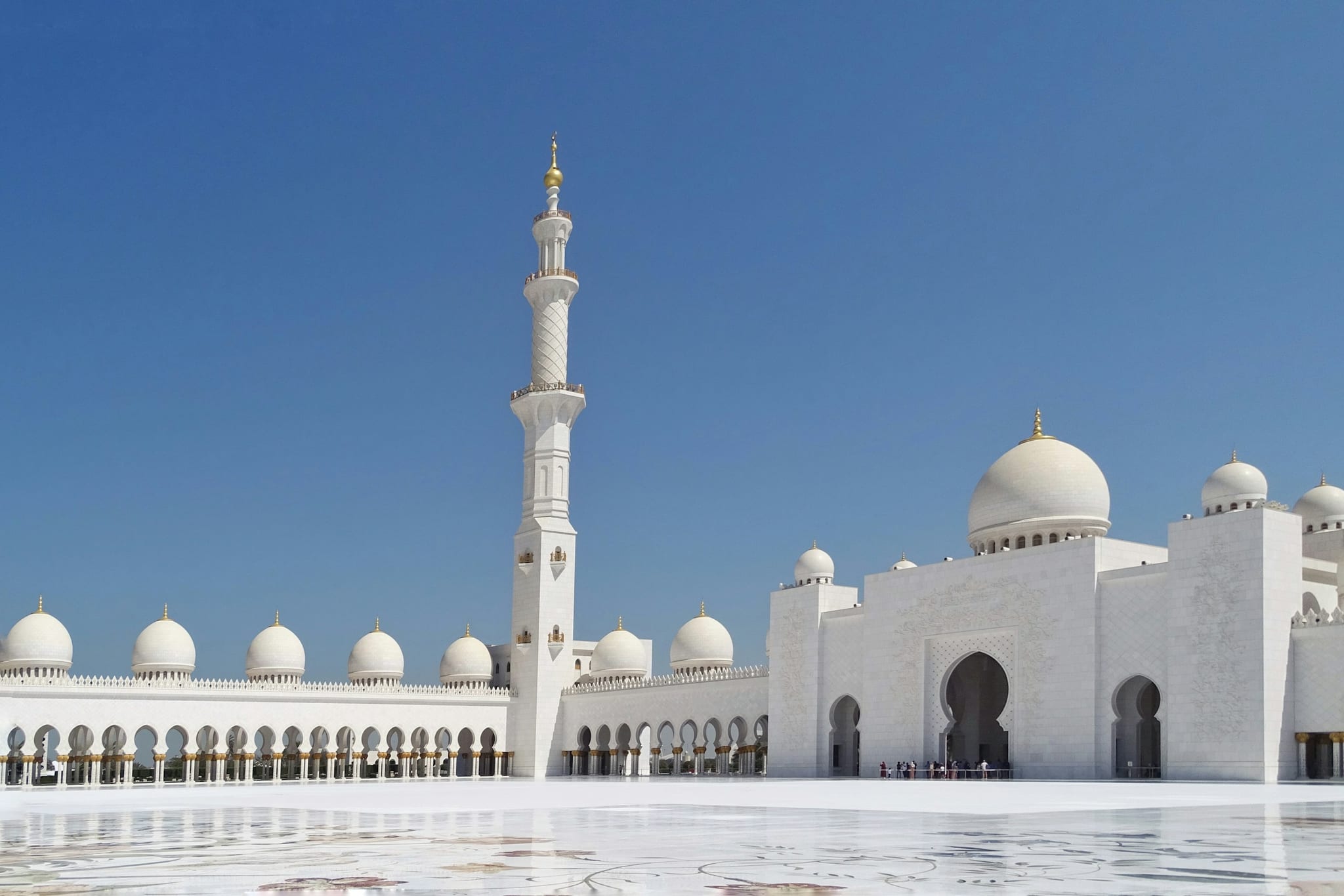
Some of the region's most beautiful buildings are mosques, and the grandest of them, the Sheikh Zayed Grand Mosque in nearby Abu Dhabi, warmly welcomes non-Muslim visitors outside prayer times. Visiting one is a highlight of any trip, and a little preparation makes it effortless. Dress modestly with shoulders, arms and legs covered; women should carry a scarf to cover the hair, and many mosques provide robes if you arrive without the right clothing. Shoes come off before you enter the prayer halls.
Inside, the mood is calm and quiet. Speak softly, switch phones to silent, and avoid walking in front of anyone who is praying or photographing worshippers at prayer. Prayer happens five times a day and the areas are busiest then, so plan your visit around those windows. None of this is complicated, and staff are used to guiding visitors kindly. Approached with a little respect, a mosque visit is one of the most memorable and moving experiences the country offers.
Dining, hospitality and the rhythm of Ramadan
Hospitality is central to Emirati culture, and if you are offered coffee, dates or a meal, accepting even a little is a warm gesture. Arabic coffee, gahwa, is served in small cups and it is polite to take at least one; a gentle shake of the cup signals you have had enough. Eat and pass food with your right hand, and expect generous portions and genuine warmth. Tipping is customary but modest, and a little courtesy to staff is always well received.
Ramadan, the holy month of fasting, changes the daily rhythm and asks a little extra sensitivity from visitors. Muslims fast from dawn to sunset, and out of respect you should avoid eating, drinking or smoking in public during daylight, though hotels and many restaurants continue to serve guests discreetly. The reward is one of the most atmospheric times to visit: the nightly iftar meal that breaks the fast is a feast of hospitality, and the whole city comes alive after dark in a spirit of generosity that visitors are warmly invited to share.
A quick etiquette checklist
A handful of simple habits will carry you gracefully through almost any situation in Dubai:
- Keep affection private, stay calm in any dispute, and use your right hand for greeting, giving and eating
- Always ask before photographing people, and never point a camera at local women, families or official and military sites
- Dress modestly away from the beach and pool, and carry a scarf and covered clothing for visiting mosques
- Accept coffee, dates or hospitality graciously, even just a little, as a warm sign of respect
- During Ramadan, avoid eating, drinking or smoking in public in daylight, and enjoy the evenings when the city comes alive
Why a private guide makes the customs effortless
Reading about etiquette is one thing; moving through a new culture with quiet confidence is another, and this is where a private guide changes the experience. Someone local at your side knows when a handshake is welcome and when a hand on the heart is better, which sites do not welcome cameras, how to time a mosque visit around prayers, and how to read the small cues that a guidebook cannot capture. Questions that might make you hesitate simply dissolve, and you get to enjoy the encounters rather than worry about them.
That is the real value of doing it privately: not just a smoother itinerary, but a companion who bridges the culture for you, introduces you to places and people with the right courtesies already in place, and lets you experience Emirati warmth from the inside. You arrive as a respectful guest, and you leave having genuinely met the city rather than only having seen it.
Dubai asks very little of its guests beyond a few graceful courtesies: keep affection private, ask before you photograph people, dress with care and respect the calm of a mosque, accept hospitality warmly, and lighten your step during Ramadan. None of it is hard, and all of it is returned tenfold in the warmth you receive. Move through the city with a little awareness, and Emirati culture opens up to you as one of the most generous you will ever meet.