The United Arab Emirates is a federation of seven emirates, Abu Dhabi, Dubai, Sharjah, Ajman, Umm Al Quwain, Ras Al Khaimah and Fujairah, each with its own ruling family and its own character. It is easy to arrive in Dubai and assume you have seen the country, but Dubai is only one of the seven, and in many ways the least typical of them. The federation formed in 1971, and each emirate keeps its own distinct personality while sharing a flag, a currency and a capital. Some are all skyline and ambition, others are quiet fishing towns, mountain ranges or stretches of empty coast. For a traveller, that variety is the real reward of the country: within a couple of hours of the city you can move from a global metropolis to a cultural old town, a mangrove lagoon or the highest mountain in the land. This guide walks through all seven emirates, what each is known for and how they fit together, so you can decide what is worth your time and how best to see it.
One country, seven emirates
The United Arab Emirates came together as a federation on the second of December 1971, when a group of small Gulf sheikhdoms that had long been known as the Trucial States chose to unite. Six emirates joined at the outset and the seventh, Ras Al Khaimah, followed early the next year, completing the union that exists today. Each emirate is still governed by its own ruling family, and each has kept a character shaped by its geography, its history and the way it has chosen to grow. Together the seven cover roughly 83,600 square kilometres, smaller than many single countries elsewhere in the world, which is exactly why moving between them by private car rarely takes more than a couple of hours.
Abu Dhabi is by far the largest, taking up most of the country's land area and serving as the federal capital, while Dubai is the best known to the outside world. The five smaller emirates to the north and east are far less visited, but they hold much of what makes the country surprising: heritage harbours, museums, mountains and coastline. Knowing which is which makes it far easier to plan a trip that goes beyond the obvious.
- Abu Dhabi, the capital and largest emirate, grand and ceremonial
- Dubai, the global city of skyline, business and tourism
- Sharjah, the cultural heart, rich in museums and heritage
- Ajman, the smallest emirate, a compact coastal town
- Umm Al Quwain, the quietest, all lagoons and old fishing life
- Ras Al Khaimah, the northern mountain emirate
- Fujairah, the only emirate on the east coast, facing the Gulf of Oman
Dubai: the global city
Dubai is the emirate most people picture first, and for good reason: in a single generation it has grown from a modest trading port into one of the world's great cities, all record-breaking towers, vast malls, engineered islands and a skyline crowned by the Burj Khalifa. It is the country's commercial and tourism engine, endlessly ambitious and built for visitors, with everything from desert safaris to fine dining laid on at scale.
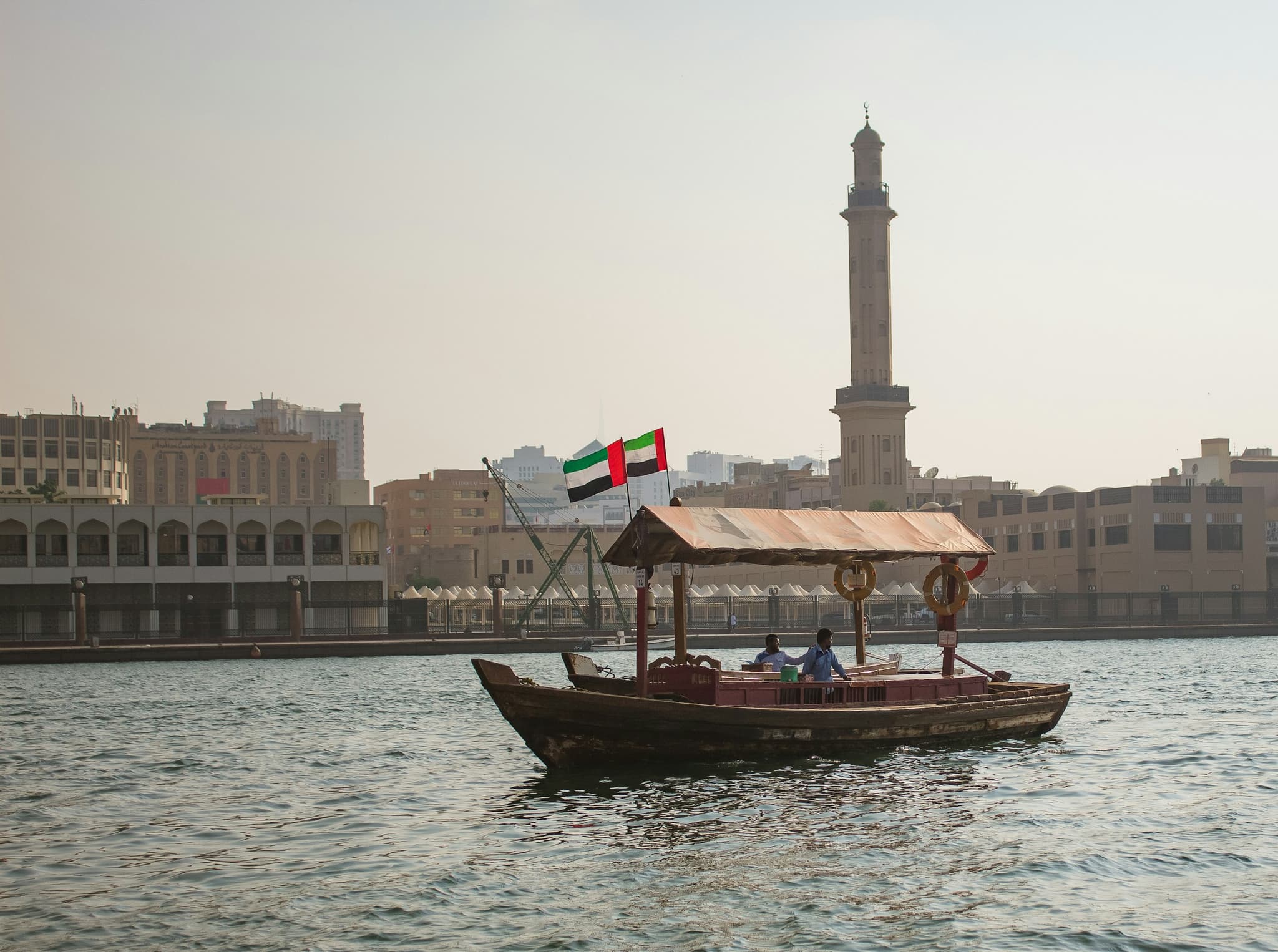
What is easy to miss beneath the gloss is the older Dubai that still survives along the creek, where the wind-tower houses of Al Fahidi, the gold and spice souks and the little abra boats tell the story of how the city began. Dubai works beautifully as a base, central, well connected and comfortable, from which the rest of the emirates are an easy day's reach.
Abu Dhabi: the capital
Abu Dhabi is the federal capital and the largest emirate by far, stretching from the Gulf coast deep into the desert toward the oasis city of Al Ain and the great dunes of the Empty Quarter. It is the seat of government and the source of much of the country's oil wealth, and it wears that role with a calmer, more ceremonial air than Dubai. The Sheikh Zayed Grand Mosque, one of the largest and most beautiful in the world, is its defining landmark.
Beyond the mosque, the capital has invested heavily in culture and leisure: the Louvre Abu Dhabi under its silver dome, the presidential palace of Qasr Al Watan, the Corniche waterfront and the theme parks and circuit of Yas Island. Greener and more spread out than Dubai, Abu Dhabi rewards a full day of its own, and is comfortably seen on a private trip from the city. Further along the coast, Sir Bani Yas island shows a wilder side of the emirate, a boat-in wildlife reserve best kept as a separate full day.
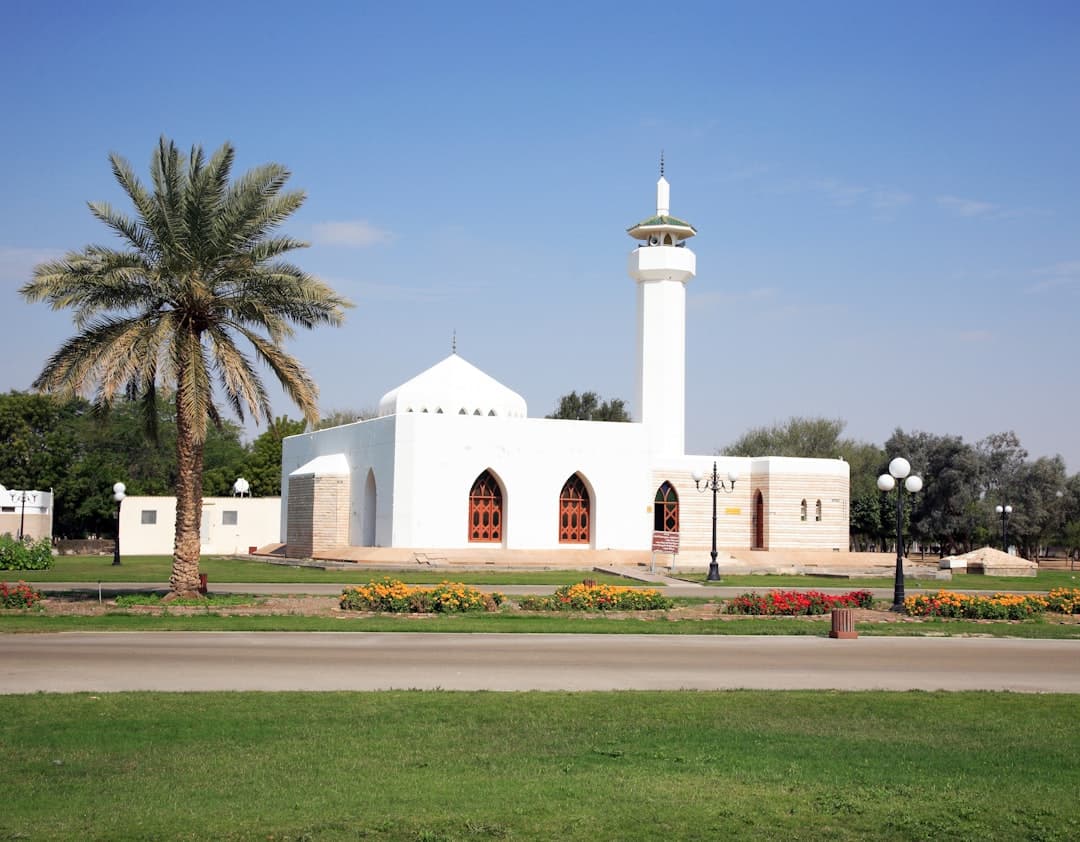
Sharjah: the cultural heart
Just north of Dubai, Sharjah is the third largest emirate and the acknowledged cultural capital of the country. Where its neighbour reaches for the skyline, Sharjah has poured its energy into heritage and learning, restoring its old quarters and filling them with museums devoted to Islamic art, calligraphy, archaeology and Emirati life. It is a more conservative, traditional place, and the only emirate with coastline on both the Arabian Gulf and, through its eastern enclaves, the Gulf of Oman.
The restored Heart of Sharjah, the grand Blue Souk and the museums around Arts and Heritage Square make it the best place in the country to understand the culture behind the modern cities. It sits so close to Dubai that it slots naturally into a wider day exploring the emirates, and gives a depth that the glass towers alone cannot.
Ajman and Umm Al Quwain: the quiet emirates
Smallest of all the emirates, Ajman is a compact coastal town built around a creek where wooden dhows are still made by hand, much as they have been for generations. Its old fort, now the Ajman Museum, and its easy corniche of beaches and cafes make it a gentle, unhurried place that feels a world away from the rush of Dubai just half an hour to the south.
Umm Al Quwain is quieter still, the least developed and least populous of the seven, strung along a peninsula of lagoons and mangroves. Life here has always turned on fishing and the sea, and its sleepy old town, birdlife and calm waters give a vivid sense of how the whole coast looked before the boom. Together these two emirates are the country at its most low-key and traditional.
Ras Al Khaimah and Fujairah: mountains and the east coast
In the far north, Ras Al Khaimah trades skyline for scenery, with the rugged Hajar Mountains rising behind its coast and Jebel Jais, the highest peak in the country, at its heart. The summit road, the world's longest zipline, a working pearl farm and warm mineral springs make it the adventurous, outdoor face of the UAE, and an easy day trip north from Dubai.
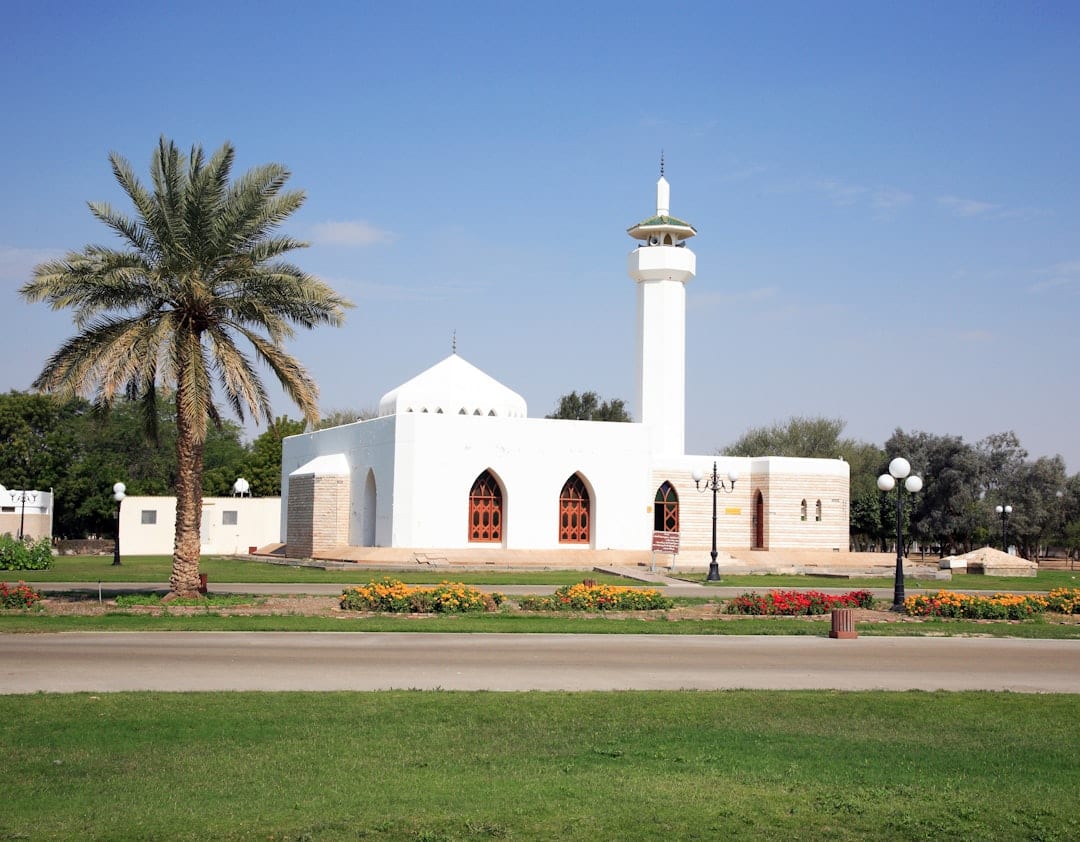
Fujairah is the odd one out, the only emirate to sit entirely on the east coast, facing the Gulf of Oman rather than the Arabian Gulf. Backed by mountains and fringed by reefs, it is the country's diving and snorkelling capital, and home to Al Bidyah, the oldest mosque in the UAE. Reaching it means crossing the Hajar range, a scenic drive that is part of the appeal of the eastern emirates.
How to choose, and seeing the emirates privately
For a first visit, most travellers base themselves in Dubai and give Abu Dhabi a full day of its own, since between them the two cover the headline sights of the country. With more time, Sharjah adds cultural depth close at hand, while the northern emirates of Ras Al Khaimah and Fujairah bring mountains, coast and a slower pace, and the small emirates of Ajman and Umm Al Quwain offer a glimpse of the old fishing life.
The quieter emirates are spread out and lightly served by public transport, which is exactly why a private day suits them so well. With your own guide and vehicle you can string several together at your own pace, the northern route taking in Sharjah, Ajman, Umm Al Quwain and Ras Al Khaimah in a single day, or focus on one in depth. Tell us what draws you, the culture, the mountains or the coast, and we will shape a private day that shows you the side of the Emirates beyond Dubai. Readers who prefer a shared group day can also see the UAE emirates overview on gett.travel.
The UAE is a federation of seven emirates, each with its own ruler and character: Dubai the global city, Abu Dhabi the grand capital, Sharjah the cultural heart, Ajman and Umm Al Quwain the quiet coastal towns, Ras Al Khaimah the mountain emirate and Fujairah the east-coast outlier facing the Gulf of Oman. Most visitors start with Dubai and Abu Dhabi, then discover that the real surprise of the country lies in the quieter north. A private day is the easiest way to string several emirates together at your own pace. Message us on WhatsApp with your dates and what draws you, and we will plan a private day that shows you the Emirates beyond Dubai.