Saadiyat Island sits just across the water from central Abu Dhabi, and unlike most of the emirate's coastline it was planned as a single project from the start, a cultural district and a residential quarter wrapped around several kilometres of protected shoreline. That planning is why the beach here reads differently to the ones further along the Gulf: less built up, certified for water quality, and paired with a museum quarter that most visitors would otherwise treat as a separate errand. This guide walks through the public beach, the resort beach clubs that sit along the same shore, the turtle nesting season worth knowing about, and how a private day can fold Saadiyat's sand into a longer look at Abu Dhabi rather than a stop on its own.
A different kind of beach for Abu Dhabi
Abu Dhabi's coastline is longer than most visitors assume, but a lot of it sits behind hotel frontages or breakwaters built for the Corniche rather than open swimming. Saadiyat Island was set aside early as a lower-density stretch, with the shoreline kept largely public and the water quality actively monitored rather than left to chance, which is part of why it holds Blue Flag certification, an international standard most of the region's beaches do not carry.
The result is a beach that feels closer to a protected coastal park than a resort strip: wide white sand, a gentle slope into the Gulf, and long sightlines with none of the density that comes with Dubai's busier public beaches further north.
Saadiyat Public Beach: the Blue Flag stretch
The main public section, generally referred to simply as Saadiyat Beach, runs for several kilometres along the island's Gulf-facing side and is open to anyone rather than gated to hotel guests. Shaded loungers and umbrellas are set out along the sand, lifeguards are on duty during opening hours, and the shallow, gradual entry into the water suits swimmers of every level rather than only strong ones.
Because the beach is public rather than attached to a single resort, it draws a genuinely mixed crowd, residents on a weekend, families with young children, and visitors who have added a beach afternoon onto a museum day, which keeps the atmosphere closer to a well-kept public park than an exclusive enclave.
The public beach runs roughly from sunrise to sunset, and it is worth checking exact opening times before a visit, with free parking available near the main public entrance.
The resort beach clubs and Soul Beach along the same shore
Several hotels sit directly on the Saadiyat coastline, and their beach clubs offer a more curated version of the same stretch of sand: private loungers, food and drink service without leaving the beach, pools set back from the shoreline, and a quieter, more adult-leaning atmosphere than the public section on a busy weekend.
None of this changes the water itself, which is the same Gulf and the same Blue Flag stretch running past every property, but it does change the pace of the day, trading the open, mixed feel of the public beach for a more managed, resort-style few hours.
Alongside the hotel-only clubs, Saadiyat also has a standalone day-access club, Soul Beach, open without a room booking. Entry is paid, on a day-pass system, and part of the fee is usually credited back against food and drink on site. It stays open later than the public beach, often into the evening, with music and a more social, club-like atmosphere.
Calm water and easy swimming
The Gulf along Saadiyat is sheltered rather than exposed to open ocean swell, which keeps the water noticeably calmer than Fujairah's east coast or almost any true ocean beach, and the sea floor slopes gradually rather than dropping away close to shore. That combination is what makes the beach comfortable for children and hesitant swimmers alike, without the current or wave action that turns some coastlines into a workout rather than a rest.
Water temperature follows the wider Gulf pattern, warm through most of the year and genuinely hot in the peak of summer, which is worth planning around if the beach day is meant to be relaxing rather than an exercise in staying cool.
Turtle nesting season, April to July
Saadiyat's beaches are one of the few nesting sites for sea turtles left in the wider Abu Dhabi coastline, and between April and July, females occasionally come ashore after dark to lay eggs in the sand above the tide line. Sightings are not guaranteed and nesting activity is protected rather than staged for visitors, so the honest expectation is a possibility rather than a promise on any given evening.
Even without a direct sighting, knowing the season adds something to an evening walk along the same sand, and a guide familiar with the island can point out marked nesting areas and explain what the low fencing around them is protecting, rather than visitors mistaking it for beach maintenance.
How Saadiyat compares with Yas and the Corniche
Yas Island, half an hour away, is built around entertainment, the Yas Marina race track, Yas Waterworld and its own Yas Beach, with a busier resort feel and more paid activities on the sand. Saadiyat is the opposite kind of place, a protected shoreline paired with a cultural quarter rather than an entertainment island.
The Abu Dhabi Corniche sits closer to downtown and stays a free public beach along the city promenade, convenient for an evening walk, but without Blue Flag certification, a turtle nesting season or a museum quarter next door. Saadiyat wins on the natural and cultural side, the Corniche wins on proximity and city convenience without a trip out to the island.
The cultural quarter next door
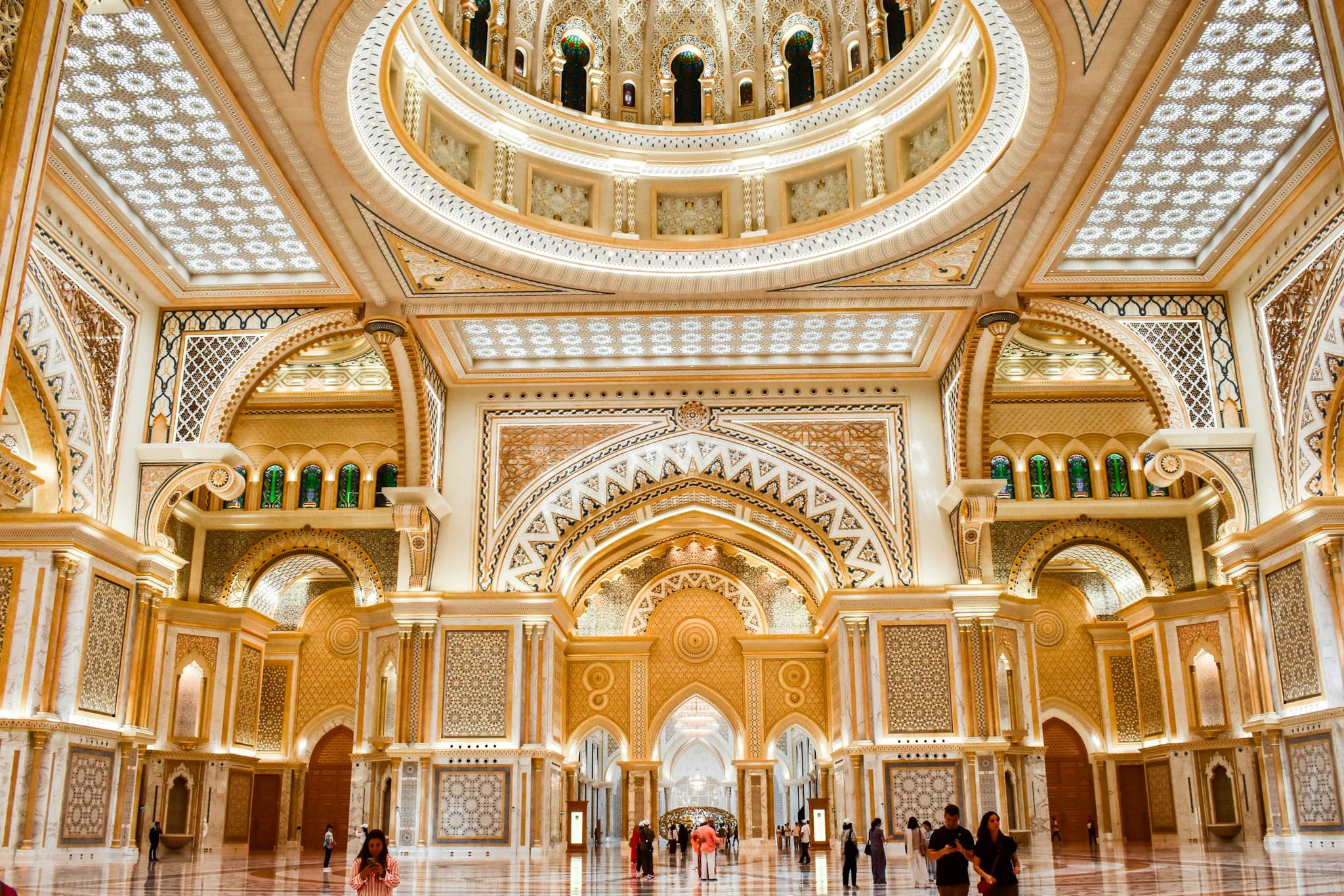
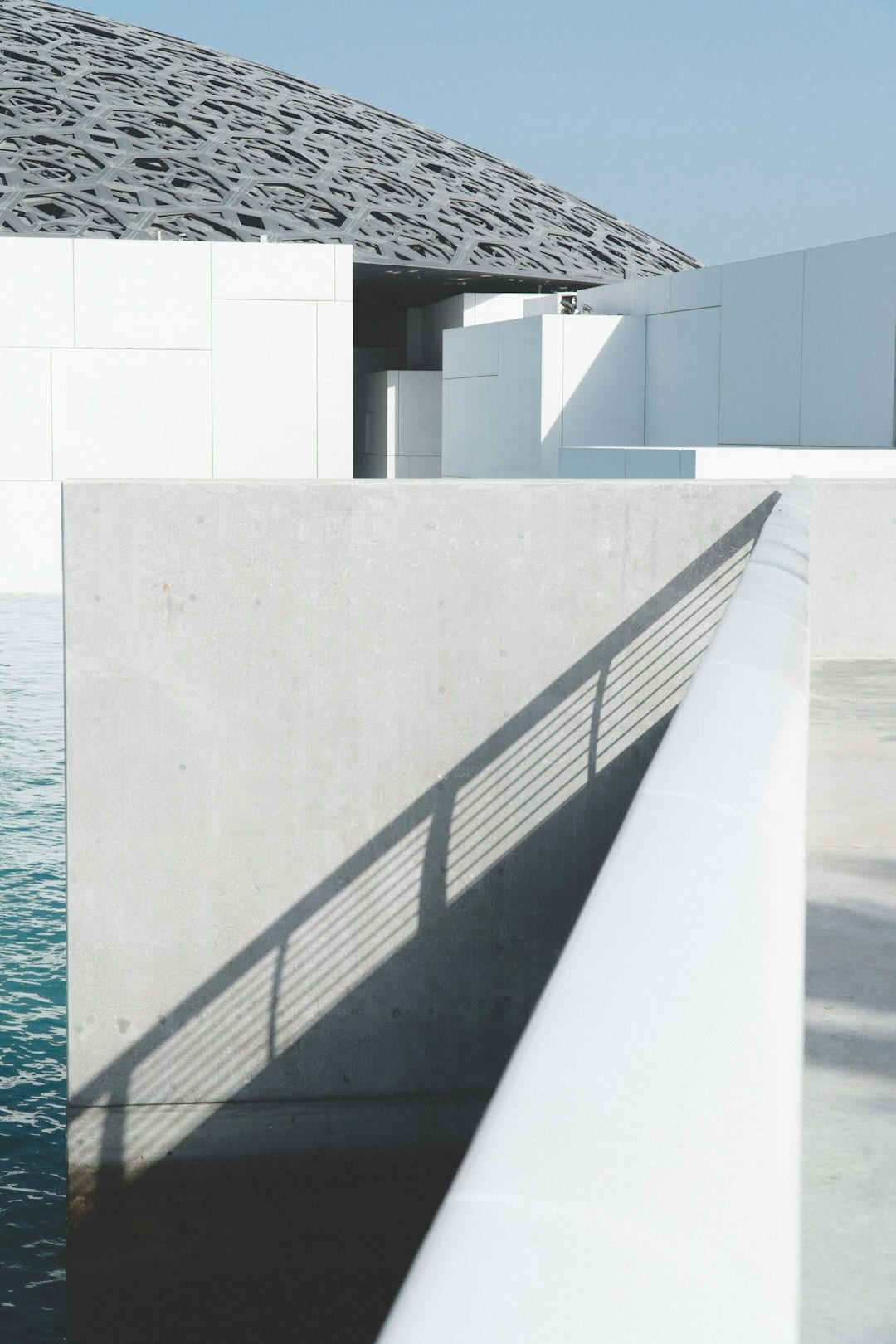
Saadiyat's beach sits within a short drive of the island's cultural district, home to the Louvre Abu Dhabi and its perforated dome, and to Manarat Al Saadiyat, a smaller arts and exhibition space that often runs free or low-cost shows tied to the district's development. The same quarter is preparing to open the Guggenheim Abu Dhabi and the Zayed National Museum, which will gradually turn the island into as much a cultural stop as a coastal one over the coming years.
That proximity is what makes Saadiyat unusual among Gulf beaches: a museum morning and a beach afternoon fit into the same half-day without a long transfer between them, something that is simply not possible with most of Abu Dhabi's other coastline.
Getting there from Dubai
The drive from central Dubai to Saadiyat Island takes roughly an hour and a half along the coastal highway, similar to the time it takes to reach Abu Dhabi's other landmarks, which is why most private beach days here are built around a full day rather than a half-day trip. A private car removes the need to plan around bag storage, changing facilities or a fixed return time the way a shared shuttle or bus service would.
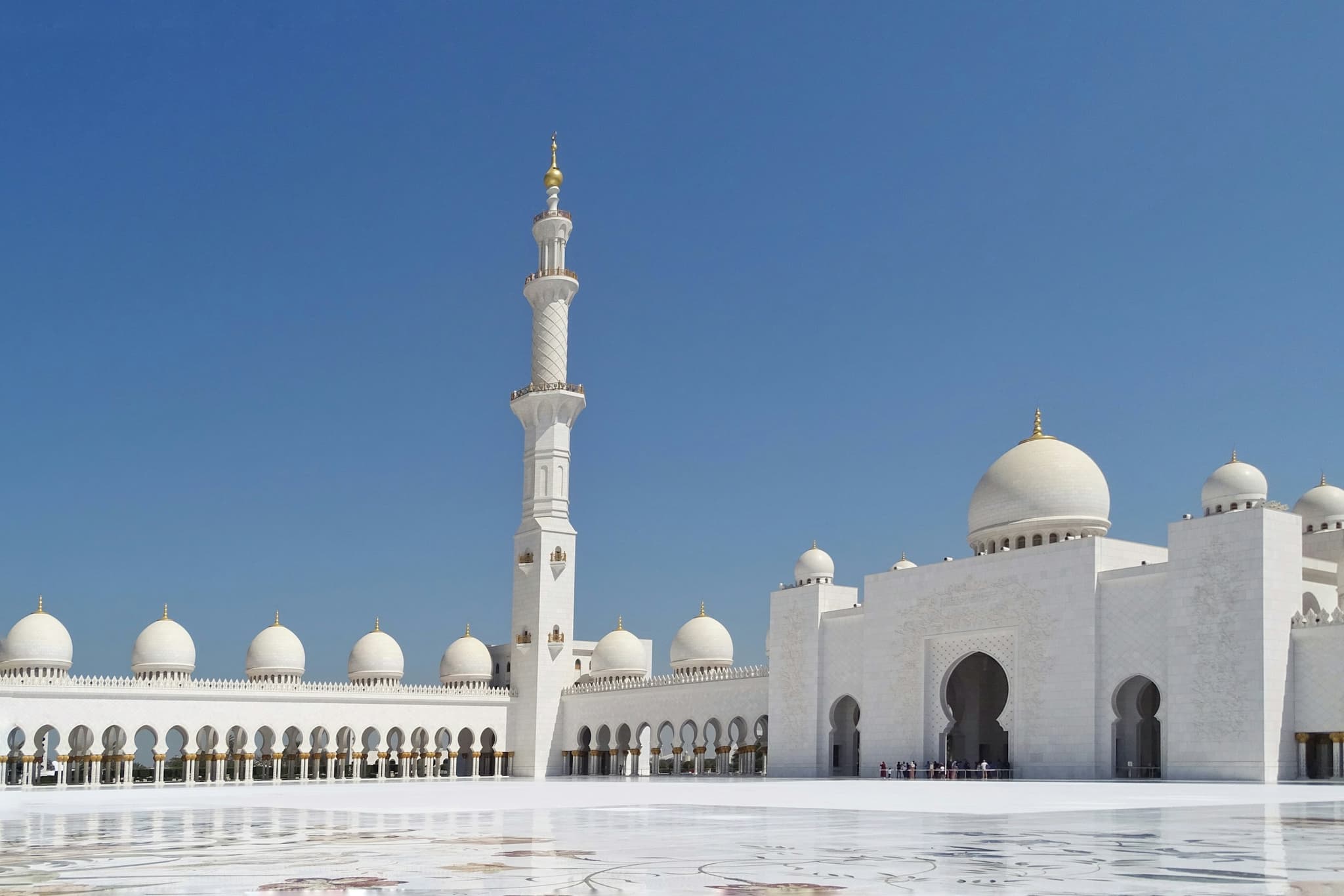
Combining the drive with a stop at the Grand Mosque or the cultural quarter on the way in or out is the most common way to structure the day, rather than treating the beach as a destination in its own right worth the round trip alone.
A practical checklist before you go
A little planning makes a Saadiyat beach day noticeably smoother, especially on a first visit from Dubai.
- Bring reef-safe sunscreen and reapply through the day, the Gulf sun is stronger than it looks
- Pack modest swimwear and a cover-up if you plan to walk near the cultural quarter afterwards
- Check the season if turtle nesting is part of the interest, April to July is the window
- Bring cash or a card for beach club food and drink, the public beach has limited facilities
- Plan the drive for morning or late afternoon to avoid the midday heat on the road and the sand
Why a private day makes the difference
A private driver and guide turn Saadiyat from a single stop into a full day that actually makes sense: a museum visit in the cooler morning hours, lunch nearby, and the beach in the softer light of late afternoon, all without watching a shuttle schedule or working out where to store bags between stops. A guide who knows the island can also judge, on any given day, whether the public beach or a resort beach club suits the group better.
Seen this way, Saadiyat stops being a beach that visitors occasionally add on and becomes one of the more complete half-days Abu Dhabi has to offer, sand, calm water and a genuine cultural quarter within the same unhurried private outing.
Saadiyat Island holds a different kind of beach to the ones most visitors picture in the UAE: Blue Flag certified water, a calm and gradual Gulf shoreline, resort beach clubs alongside a genuinely public stretch of sand, and between April and July, the rare chance of a nesting sea turtle after dark. What sets it apart further is the cultural quarter within a short drive, the Louvre Abu Dhabi and Manarat Al Saadiyat turning a beach visit into half of a fuller day rather than a stop on its own. A private driver and guide make that combination easy to plan around Dubai's hour-and-a-half drive, folding a museum morning and a beach afternoon into one unhurried outing instead of two separate trips.