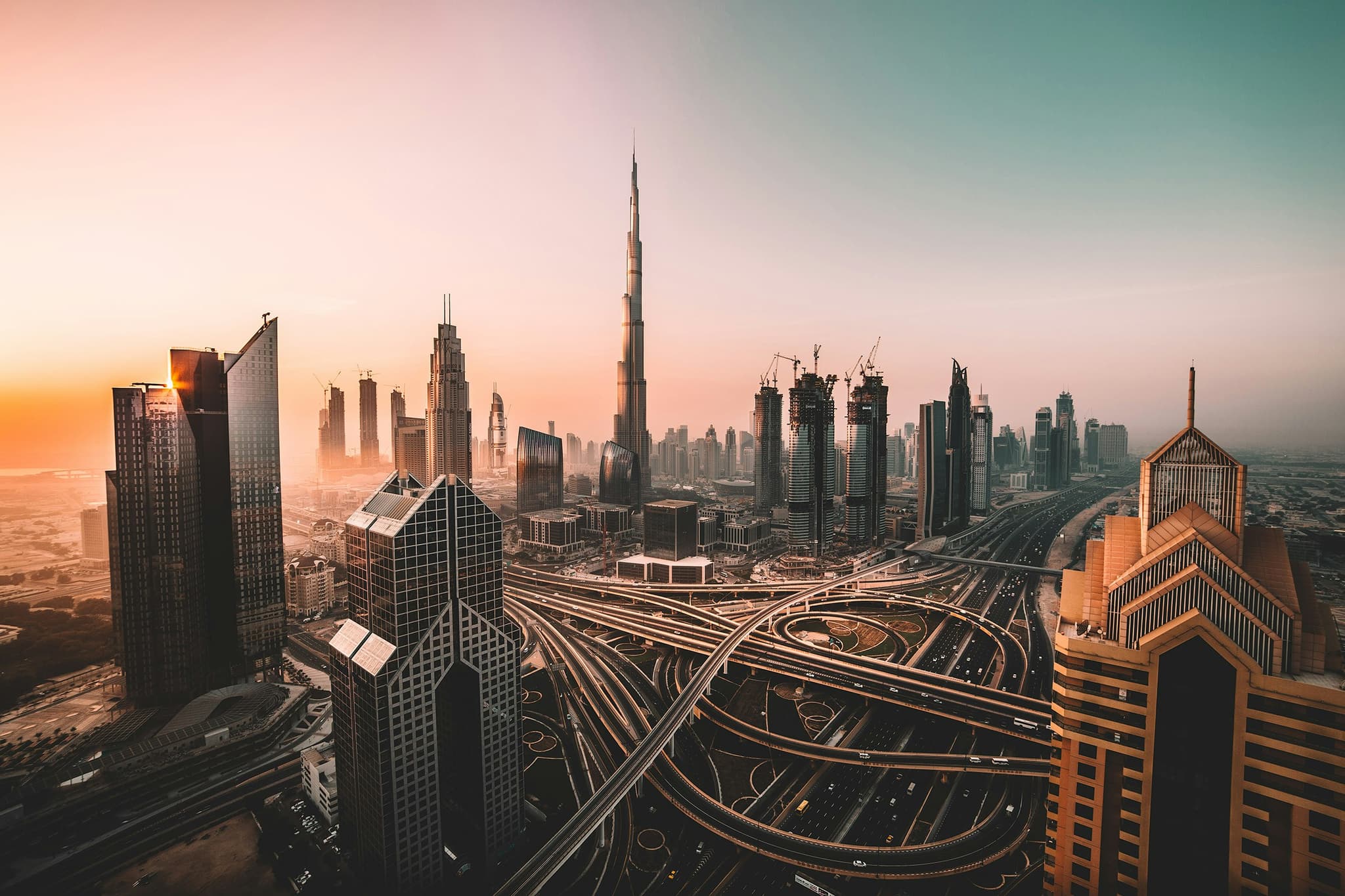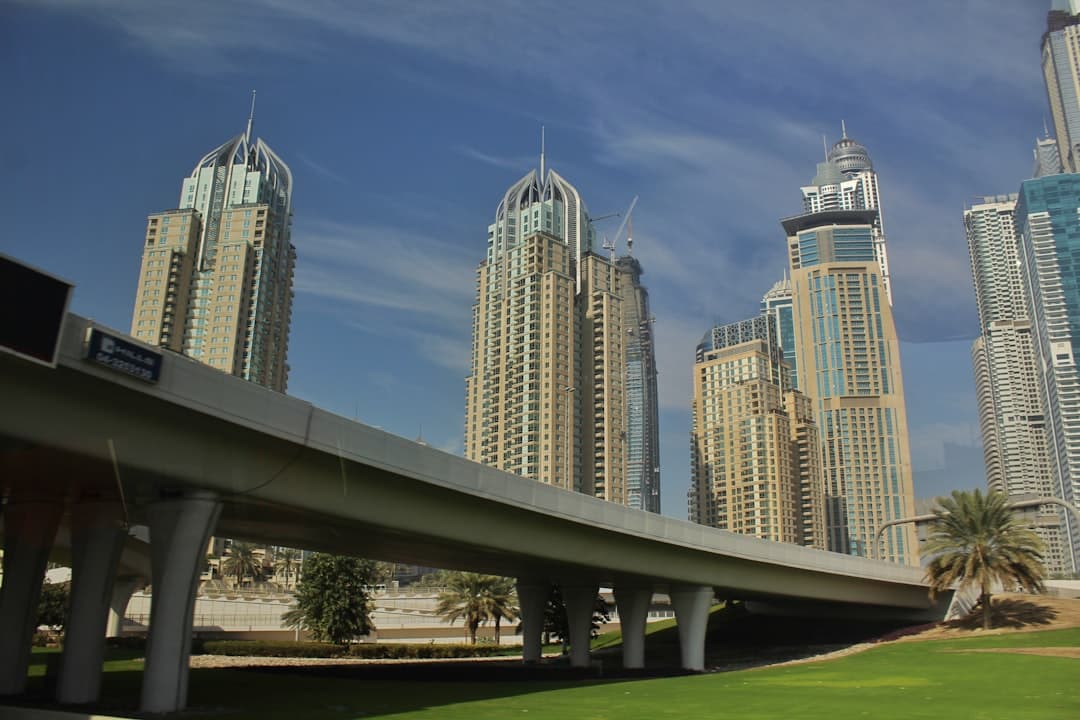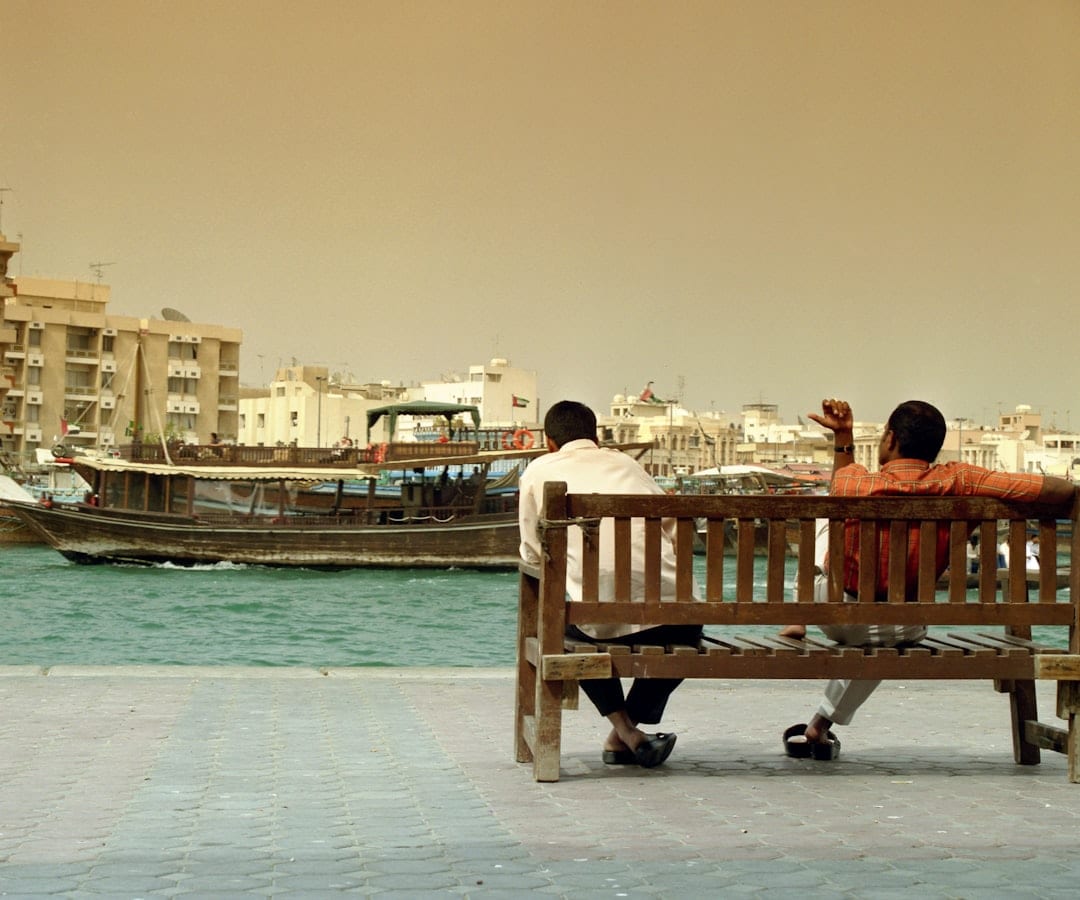
Most first-time visitors know Dubai for its towers, but the city has an older heart that many miss, and it is the one that tells you where all the rest came from. Dubai grew up around the Creek, a natural saltwater inlet that cuts inland from the Gulf and once carried the pearling dhows and trading boats that made the town. The two banks of the Creek, Deira to the north and Bur Dubai to the south, still hold the oldest neighbourhoods in the city: bustling souks, low coral-stone houses, wind towers and the wooden abras that ferry people across the water much as they always have. It is a completely different Dubai from the Marina or Downtown, low-rise, human-scaled and full of texture, and it rewards those who slow down and walk it. This guide covers old Dubai in order, the souks of Deira, the abra crossing, the Al Fahidi historic district and the Al Seef waterfront, the best time to visit and why a private guided walk is the most rewarding way to take it all in.
Want a full guide to shopping in Dubai too? See the Dubai shopping guide on gett.travel.
The Creek: where Dubai began
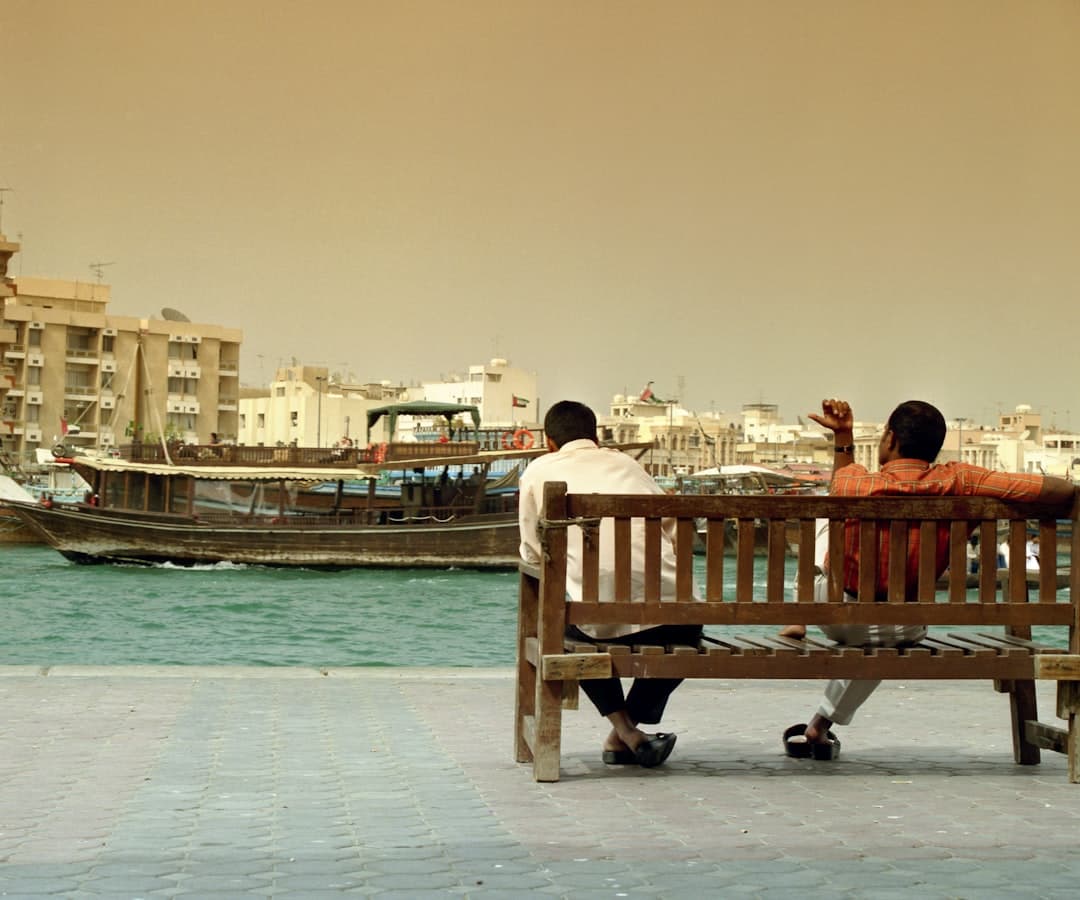
Everything in old Dubai orients around the Creek, the saltwater channel that runs inland from the Gulf and gave the city its start. A century ago this was the whole of Dubai: a modest trading and pearling port whose fortunes rode on the dhows moored along its banks, carrying goods between Arabia, Persia and the wider Indian Ocean. Those trading boats still tie up here today, loaded with everything from electronics to spices, so the working port has never really left.
The Creek divides old Dubai into two halves that face each other across the water. Deira, on the northern bank, is the dense, commercial side, home to the famous souks and a constant, energetic crowd. Bur Dubai, on the southern bank, is the older residential side, where the historic quarter and its wind towers survive. Understanding the city this way, two banks and the water between them, is the key to exploring it, because the most memorable thing you can do here is cross from one side to the other on a boat. For more of the old city's heritage sites, gett.travel's Dubai heritage guide covers the souks, mosques and museums together.
Deira and the gold souk
Deira is the trading heart of old Dubai and the site of its most famous market. The Gold Souk is a covered warren of narrow lanes where hundreds of shops display window after window of bracelets, necklaces and elaborate wedding sets, a wall of gold that is genuinely startling the first time you see it. Even if you never intend to buy, walking through it is one of the city's great spectacles, and prices are keen and negotiable, sold largely by weight against the daily gold rate.
Around the gold lanes spread the rest of Deira's markets, each with its own character. It is a place to browse and bargain rather than shop from a list, and the pleasure is as much in the crowd, the calling shopkeepers and the sheer density of goods as in anything you carry away. A good guide knows which lanes are worth your time and how to haggle without stress, which turns a potentially overwhelming maze into an easy, enjoyable wander.
The spice souk and the scents of old Dubai
A few steps from the gold lanes, the Spice Souk trades in a different currency altogether: aroma. Open sacks and baskets spill over with saffron, cinnamon, dried lemons, chillies, frankincense and rose petals, and the whole covered lane smells of a dozen things at once. Traders scoop and weigh, press herbal teas and blocks of oud on passers-by, and explain what each spice is for, and it is one of the most sensory corners of the entire city.
This is the old Dubai of the trading port at its most vivid, a market that has changed remarkably little in feel even as the city around it soared skyward. Frankincense and oud, sold as resin and chips to be burned at home, make an evocative souvenir, and dried Omani limes or a twist of saffron travel well. As with the gold lanes, a little friendly bargaining is expected, and it is part of the fun rather than a chore.
Crossing the Creek by abra
The single most enjoyable thing to do in old Dubai costs almost nothing. Abras, the small wooden ferries that have crossed the Creek for generations, still shuttle constantly between Deira and Bur Dubai, packed with commuters and traders alongside a handful of visitors. You pay a single coin, step onto the low bench that runs down the middle, and are carried across the water in a few minutes, with the working boats, the trading warehouses and the low skyline of old Dubai sliding past on both sides.
It is a short ride, but it is the best possible way to feel the Creek as the artery it has always been, and it links the two halves of the walk naturally. Cross from the Deira souks to Bur Dubai and you step almost straight into the historic quarter, so the abra is less a novelty than the hinge of the whole outing. Those who prefer more time on the water can also charter a private abra for a slow loop, which is a lovely way to see the Creek at dusk.
Al Fahidi: wind towers and the Dubai of a century ago
On the Bur Dubai bank sits the Al Fahidi historic district, once known as Bastakiya, the best-preserved piece of old Dubai. Here the streets narrow to shaded, sandy lanes between houses built of coral stone and gypsum, many crowned with wind towers, the tall, open-sided chimneys that funnelled any breeze down into the rooms below as the city's original air conditioning. Walking these quiet alleys, with barely a modern building in sight, is the closest you can come to the Dubai of the early twentieth century.
The quarter is not a museum piece but a living neighbourhood of small galleries, courtyard cafes, craft shops and cultural centres, several of which welcome visitors to sit, drink Arabic coffee and ask questions about local life. Nearby, the Al Fahidi Fort, the oldest building in Dubai, houses the Dubai Museum and its recreations of pearling, souk and desert life. Together they make Al Fahidi the natural counterweight to the souks: quiet, shaded and reflective where Deira is loud and bright. Visitors who want to linger longer inside those galleries can book our private Dubai art gallery tour, which spends a whole morning in Al Fahidi's contemporary art spaces.
Al Seef and where old meets new
Running along the Bur Dubai waterfront beside Al Fahidi, the Al Seef district shows how modern Dubai has chosen to frame its own past. It is a recently built stretch of Creekside promenade designed in traditional style, with coral-toned facades, wind-tower motifs and a floating market feel, lined with cafes, shops and restaurants looking out over the water. Purists will prefer the genuine lanes of Al Fahidi, but Al Seef is an easy, pretty place to pause, eat and watch the abras and dhows go by.
It also makes the perfect end to a walk through old Dubai, a comfortable waterfront where the historic quarter behind you meets the working Creek in front. From a table here you can see the whole story in one view: the traditional dhows still loading at the wharves, the abras threading across the water, and, in the distance beyond the low roofs, the towers of the new city rising on the horizon. Few places in Dubai layer the old and the new quite so neatly.
The best time to visit and a quick checklist
Old Dubai is an outdoor, on-foot experience, so timing matters. The cooler months from about November to April are far the most comfortable, and within any day the late afternoon into early evening is ideal, when the souks light up, the heat eases and the Creek glows at sunset. A few simple choices make the walk flow well:
- Come in the late afternoon, when the souks are liveliest and the heat has dropped
- Start in the Deira souks, cross the Creek by abra, and finish in Al Fahidi and Al Seef
- Carry a little cash in small notes for the souks and the abra, and expect to bargain
- Dress modestly for the souks and the historic quarter, with covered shoulders and knees
- Let a private guide handle the lanes, the crossing and the timing so nothing feels chaotic
Why a private guided walk works best
Old Dubai is the part of the city that most rewards a guide, precisely because it is not laid out for visitors. The souk lanes twist and repeat, the two banks are easy to muddle, and the history that gives the place its meaning, the pearling trade, the wind towers, the significance of the Creek, is invisible unless someone tells it to you. A private walking tour turns a potentially confusing maze into a clear, unhurried story, moving at your pace and pausing wherever you are curious.
It also smooths the practical edges: a guide knows the honest gold and spice shops, handles the bargaining if you want to buy, times the abra crossing and steers you to the quietest corners of Al Fahidi. Shaped this way, old Dubai becomes an easy half-day rather than a hot scramble, and it slots naturally into a wider private tour of the city, the perfect grounding counterpoint to a day that might otherwise be all towers and malls. Seen slowly and with context, the Creek and its souks are where Dubai finally makes sense.
Old Dubai is where the city began and where it still feels most itself: the Creek, the souks and the wind towers rather than the towers and malls. Start among the gold and spice lanes of Deira, cross the water on a wooden abra for a single coin, and walk the shaded alleys of the Al Fahidi historic district before pausing on the Al Seef waterfront where old meets new. Come in the late afternoon, carry small cash and expect to bargain, and let a private guide read the layers for you. Seen slowly and with context, the Creek and its souks turn out to be the key that makes the rest of Dubai make sense.