Most visitors never leave the western side of the Emirates, the side of skylines, malls and the warm shallows of the Arabian Gulf. Yet barely two hours east of Dubai the country turns into something else entirely. Cross the rocky spine of the Hajar Mountains and you come down onto the only stretch of the UAE that faces the Gulf of Oman, a coast of dark reefs, quiet beaches and fishing harbours where the rhythm slows and the crowds thin out. This is Fujairah, the one emirate that lies wholly on the east coast, joined by the mountain enclaves of Sharjah around Khor Fakkan. It is the greenest, most weathered and most traditional corner of the country, and the easiest place near Dubai to feel that you have travelled somewhere genuinely different. This guide covers what the east coast holds, from snorkelling reefs and ancient mosques to mountain wadis and roadside markets, and how a private day brings it all within comfortable reach.
The other coast of the Emirates
The UAE has two coastlines, and they could hardly be more different. The familiar western shore, where Dubai and Abu Dhabi sit, looks out over the calm, shallow Arabian Gulf. The eastern shore, separated from it by the Hajar Mountains, faces the open Gulf of Oman and the Indian Ocean beyond, with deeper, cooler water, rockier headlands and far less development. Fujairah is the only emirate to lie entirely on this side, and for that reason alone it feels like a country apart.
Because the mountains wall it off from the desert interior, the east coast catches more rain and stays a little greener, with wadis that run after the winter showers and terraced hillsides that surprise anyone expecting only sand. It has long been a place of fishermen, date farmers and small mountain villages rather than traders and towers, and that older, slower character still shapes it today. Travelers weighing a shared itinerary can also see the Fujairah excursions guide on gett.travel.
- The only UAE coast on the Gulf of Oman, not the Arabian Gulf
- Reached by crossing the Hajar Mountains from Dubai
- Greener and wetter, with seasonal wadis and mountain villages
- The country's best diving and snorkelling, off Snoopy Island
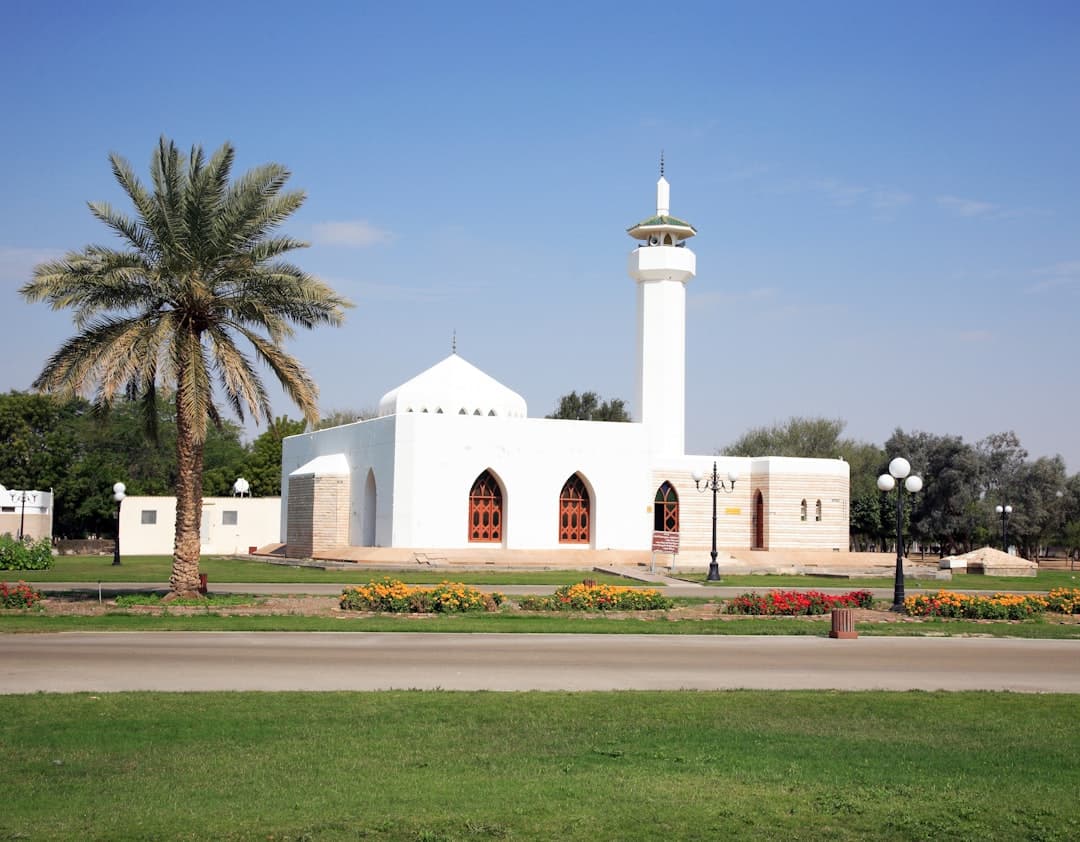
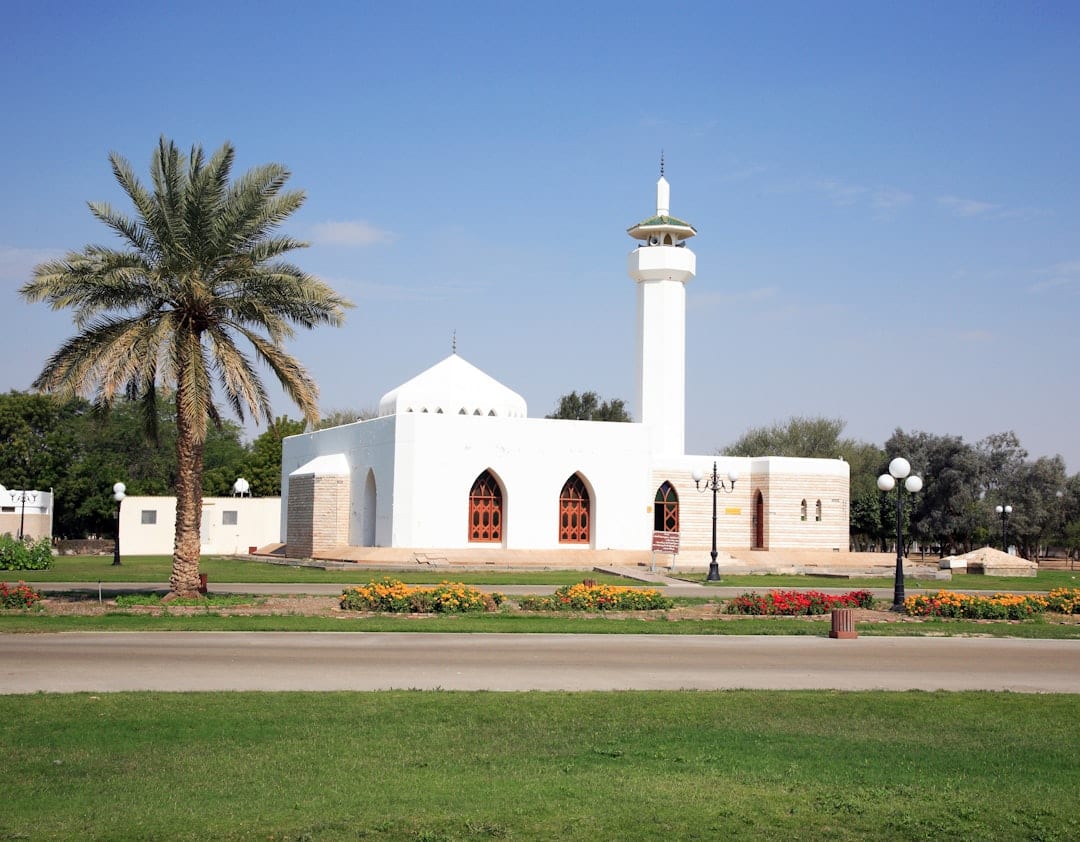
- Al Bidyah, the oldest mosque in the UAE, dating from around 1446
- Fujairah Fort, the Masafi market and a string of quiet beaches
Crossing the Hajar Mountains
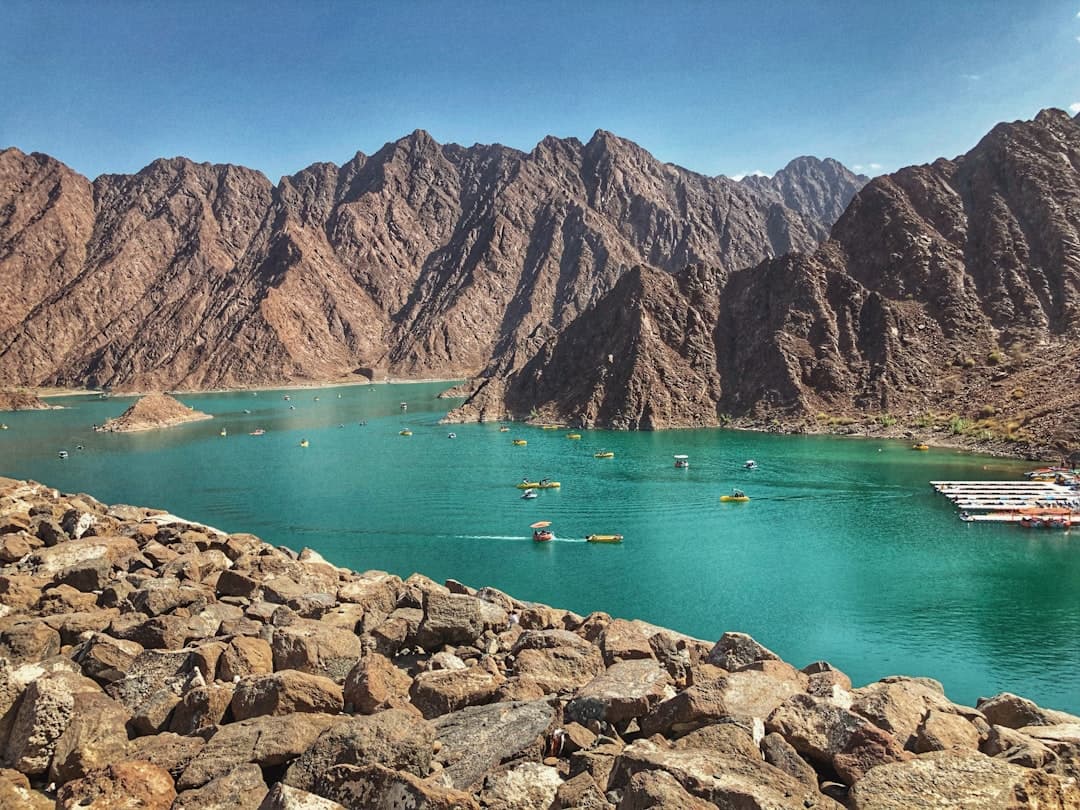
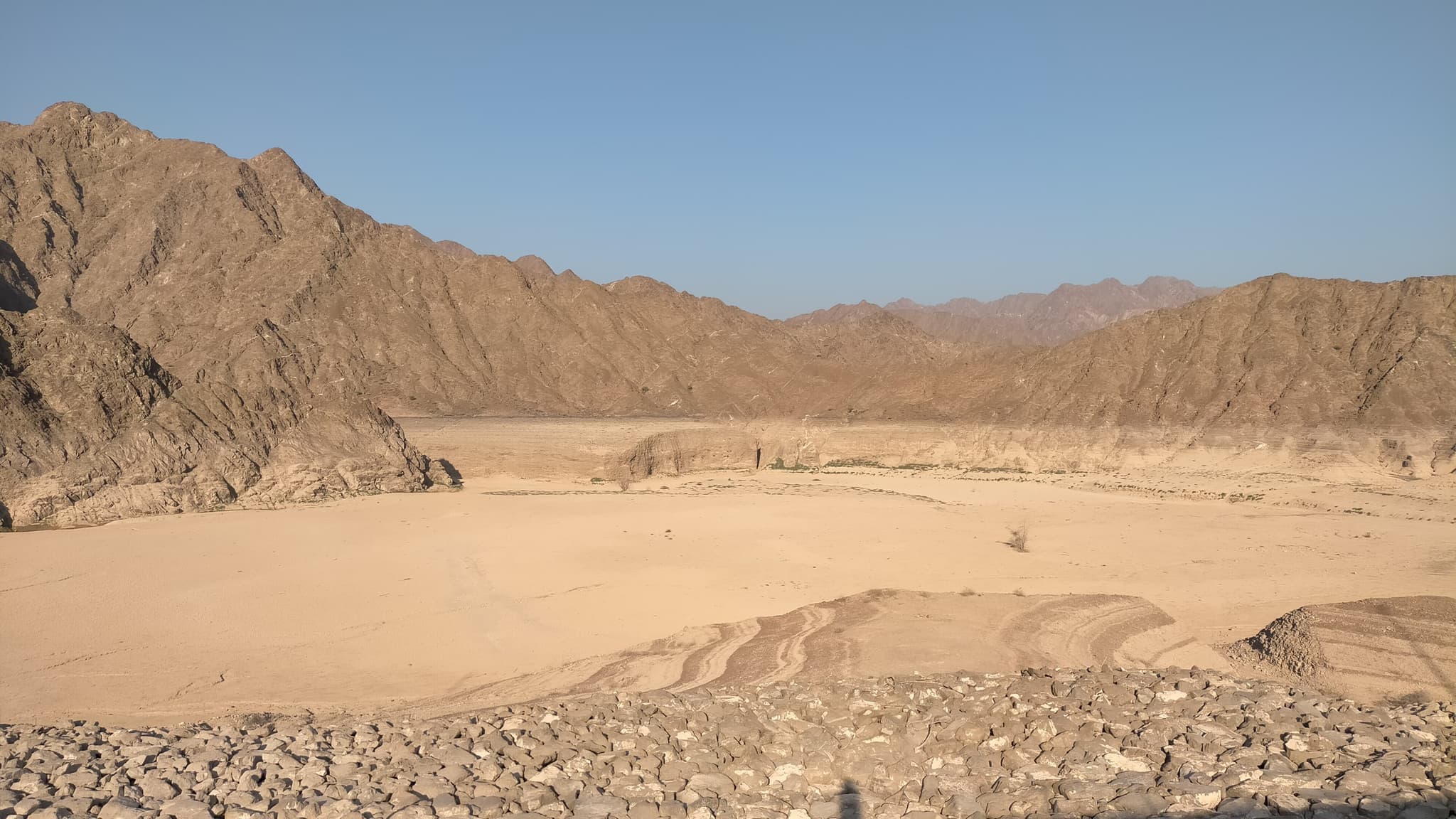
Half the pleasure of the east coast is in getting there. Leaving Dubai, the road runs east across the desert before the land begins to rise into the Hajar Mountains, a bare, dramatic range of grey and ochre rock that forms the backbone of the country. The drive climbs through passes and dry valleys, past goats on the verges and the occasional village clinging to a slope, with the dunes giving way entirely to stone.
It is a route worth slowing for, and on a private day there is room to stop where the views open up rather than pressing straight through. By the time the road descends the eastern flank and the sea appears ahead, the change is complete: the air feels fresher, the colours deepen, and the Arabian Gulf you left behind seems a long way off.
Snoopy Island and the diving coast
The east coast is the diving and snorkelling capital of the Emirates, and its best-known spot sits just off the shore near Dibba: a small rocky islet that, seen from the beach, resembles a sleeping dog, which is how it earned the nickname Snoopy Island. The water around it is clear and alive with reef fish, and patient snorkellers are often rewarded with green turtles and small rays gliding over the coral below.
You do not need to be a diver to enjoy it. Masks and fins get you straight into the shallows, while certified divers can go deeper along the reefs that fringe this whole coast. With cooler, cleaner water than the Gulf side, it is the place in the country where the sea itself, rather than the shore, is the attraction, and a few hours in the water is the heart of many east-coast days.
Fujairah town: the fort and the past
The emirate's small capital, also called Fujairah, sits where the mountains meet the sea, and its history is written in stone above the old town. Fujairah Fort, a low fortress of mud-brick and rough stone, is one of the oldest in the country, raised centuries ago to guard the coastal valley and the farms around it. Restored and standing among the remains of the old village at its feet, it gives a vivid sense of how life on this coast was once defended and ordered.
Around the fort lie a heritage village and a small museum that fill in the rest of the story, from pearling and fishing to the mountain farming that sustained the interior. It is an unhurried place, far quieter than the heritage districts of the bigger cities, and all the more atmospheric for it.
Al Bidyah, the oldest mosque in the country
A short way up the coast stands the most remarkable building on this side of the mountains: Al Bidyah Mosque, the oldest known mosque in the United Arab Emirates, built around 1446 from mud brick and stone. It is tiny and utterly without grandeur, a single low room crowned by four small domes resting on a central pillar, and that humility is exactly what moves people who visit.
Set against a hillside dotted with old watchtowers, it has been in continuous use for close to six centuries, and still serves as a place of prayer today. Modest dress is required to step inside, but even from the path it rewards a stop, a reminder that this quiet coast holds some of the deepest history in the whole country.
Masafi, the wadis and the Friday market
Inland, where the mountains rise behind the coast, the landscape softens into wadis, the dry riverbeds that run green and even flow after rain. The Wadi Wurayah area, a protected mountain reserve, is the best known, a place of pools, palms and rare wildlife that feels worlds away from the desert most visitors picture. A short walk among the greenery and flowing water is a fine counterpoint to a morning at sea.
On the way, the village of Masafi is famous for its roadside market, often called the Friday Market though it trades every day. Stalls heaped with local fruit and vegetables stand beside others selling carpets, pottery and plants, all at honest mountain prices. It makes an easy, colourful stop and a chance to buy something made or grown nearby rather than imported.
How to see the east coast privately
The east coast is spread out and very lightly served by public transport, which is precisely why a private day suits it so well. A full day from Dubai, around nine or ten hours door to door, is enough to cross the mountains, spend time in the water at Snoopy Island, see Al Bidyah and Fujairah Fort, and still pause at a wadi or the Masafi market on the way. With your own guide and vehicle you choose the balance, more sea or more mountains, more history or more time on the beach.
It pairs naturally with the wider northern emirates too, and works for couples, friends and families alike, with snorkelling that suits older children well. Tell us whether you are drawn to the reefs, the mountains or the old mosque and fort, and we will shape a private day that shows you the quiet, green side of the Emirates that most visitors never reach.
Fujairah and the east coast are the quiet surprise of the Emirates, just two hours from Dubai across the Hajar Mountains yet a world apart: the Gulf of Oman in place of the Arabian Gulf, coral reefs off Snoopy Island, green mountain wadis, the colourful Masafi market and Al Bidyah, the oldest mosque in the country. It is the greenest and most traditional corner of the UAE, and the easiest place near Dubai to feel you have truly left the city behind. A private day, around nine or ten hours door to door, brings the reefs, the mountains and the old town comfortably within reach. Message us on WhatsApp with your dates and what draws you, and we will plan a private day on the east coast shaped around you.