The UAE's railway grew up this week. On 30 September 2026 Etihad Rail switched on its national passenger network, turning a single test corridor into a proper intercity line that ties Abu Dhabi, Dubai and the Fujairah east coast together. For anyone planning a private itinerary, it quietly redraws how the emirates connect.
What changed on 30 September
The launch was marked at the highest level: the UAE President joined the pre-opening inspection, and Sheikh Hamdan took a public test run, sharing his ticket online. His Dubai-to-Abu Dhabi journey ran in about an hour. The bigger headline, though, is reach: the same network now carries passengers toward the east coast, not just along the Abu Dhabi–Dubai axis.
It is also built to plug into what already exists. A dedicated pedestrian bridge links the Dubai terminal at Al Yalayis to Jumeirah Golf Estates Metro station, so rail and metro become one continuous trip. A single Nol QR code now works across train, metro, tram and bus, which removes most of the friction of moving between systems.
Why it matters for a private trip
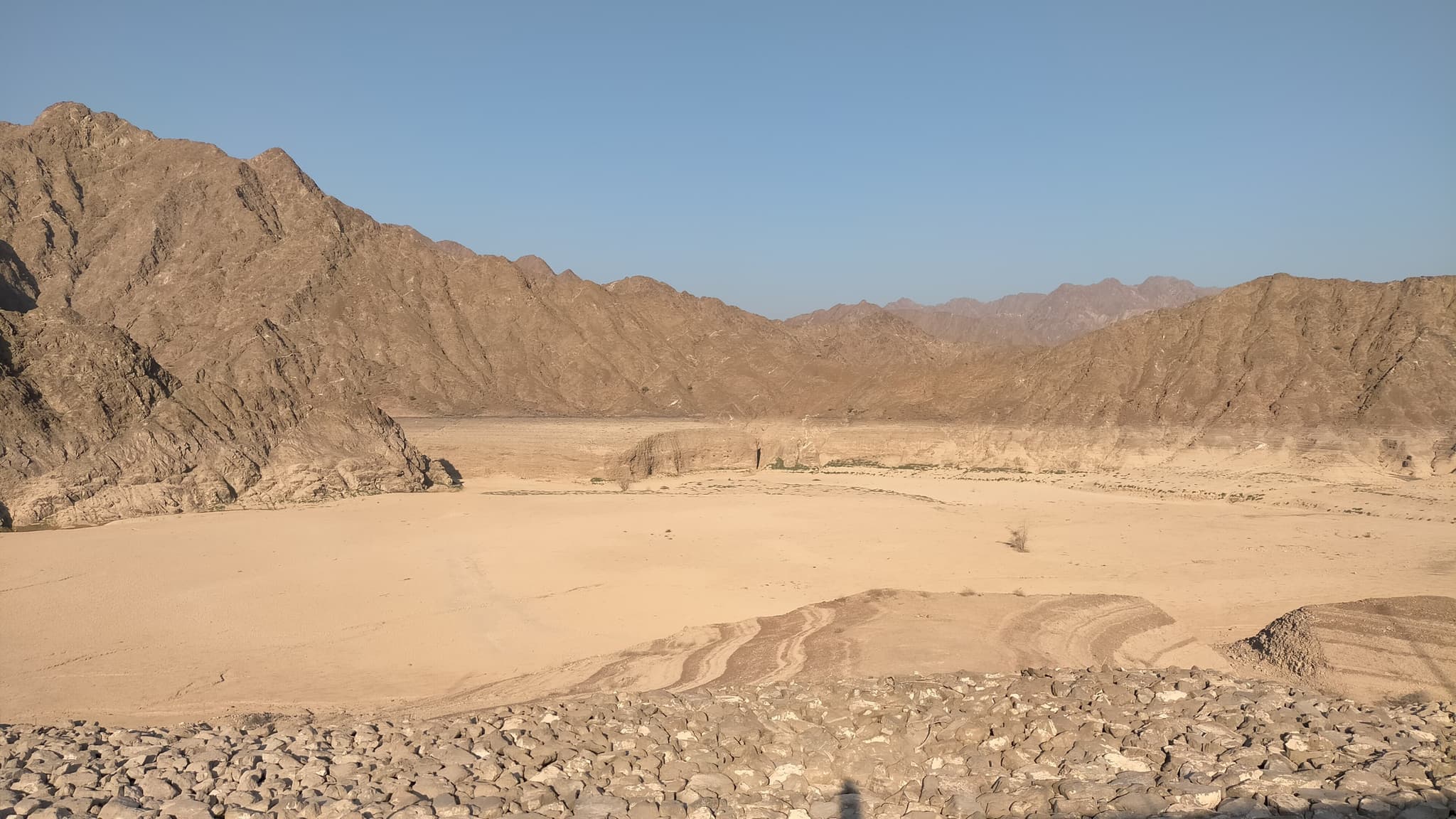
For a private, unhurried trip this is less about saving a few dirhams and more about comfort and time. The east coast — Khorfakkan's coves, Fujairah's mountain wadis and old forts — has always meant a long highway drive. A quiet, climate-controlled rail leg shortens the tiring part of the day and leaves you fresh for the part you actually came for.
The natural pattern is rail for the intercity spine and a private car with a guide for everything door-to-door. Meet a chauffeur at the station, keep the vehicle for the coastline, the snorkelling stop or the forts, and let the train handle the long stretch back. It also makes a two-emirate day — Dubai in the morning, a different coast by afternoon — realistic without a marathon behind the wheel.
Etihad Rail is now a national spine: use it for the intercity distance and keep a private car and guide for the door-to-door, and the east coast becomes an easy, comfortable day out.