Dubai's malls get most of the attention, but its oldest trading quarter, the cluster of markets along both banks of the Creek in Deira and Bur Dubai, is where the city's shopping habits actually began. The Gold Souk, the Spice Souk and the Textile Souk still work on rules that have barely changed in decades: prices are opening offers rather than fixed tags, quality varies from shop to shop in ways a fixed-price mall never has to explain, and the whole experience rewards someone who knows how to look, ask and negotiate. This guide covers what each souk sells, how the abra crossing ties them together, how bargaining actually works in practice, and when a personal guide is worth having at your side rather than working it out alone.
A different kind of shopping
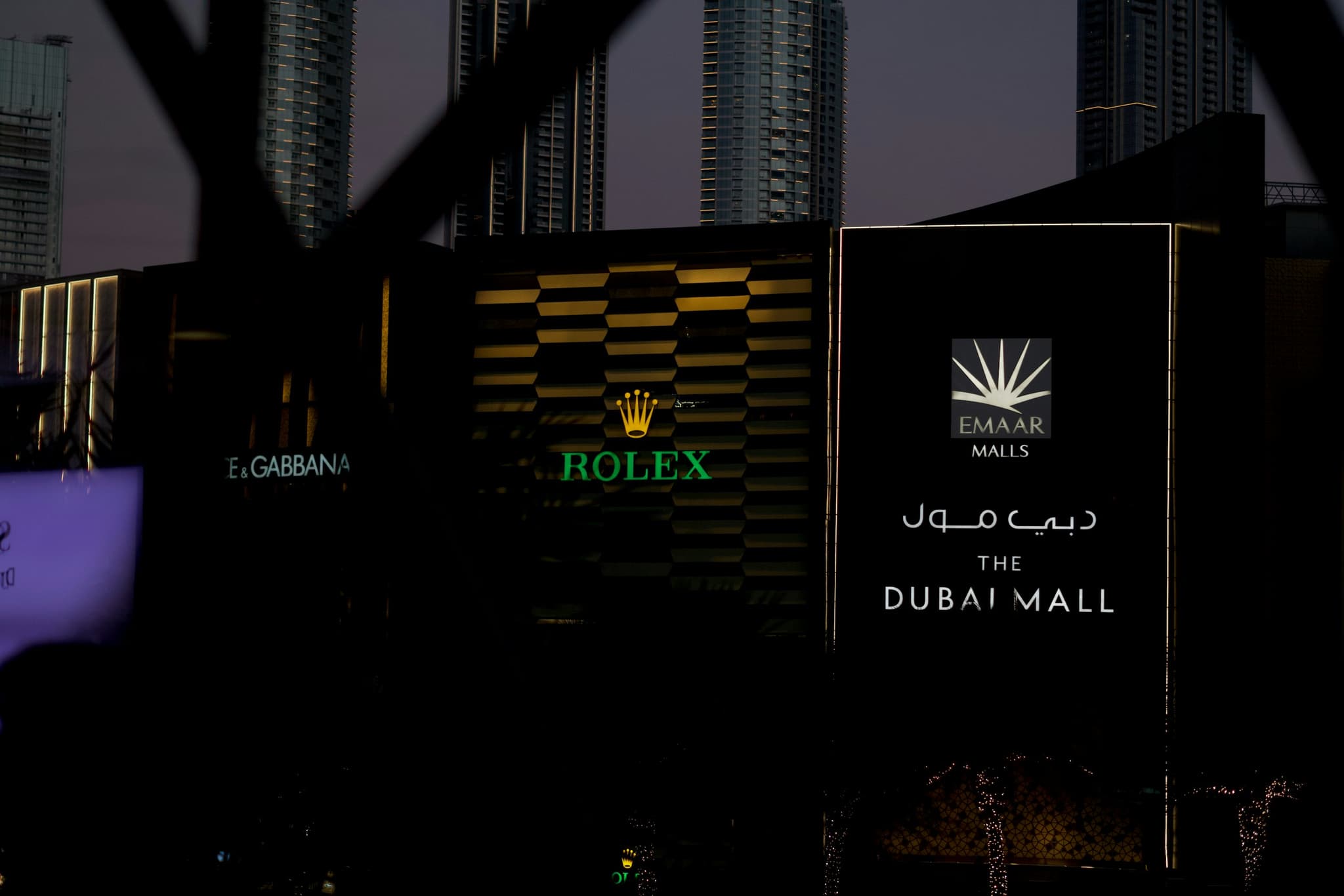
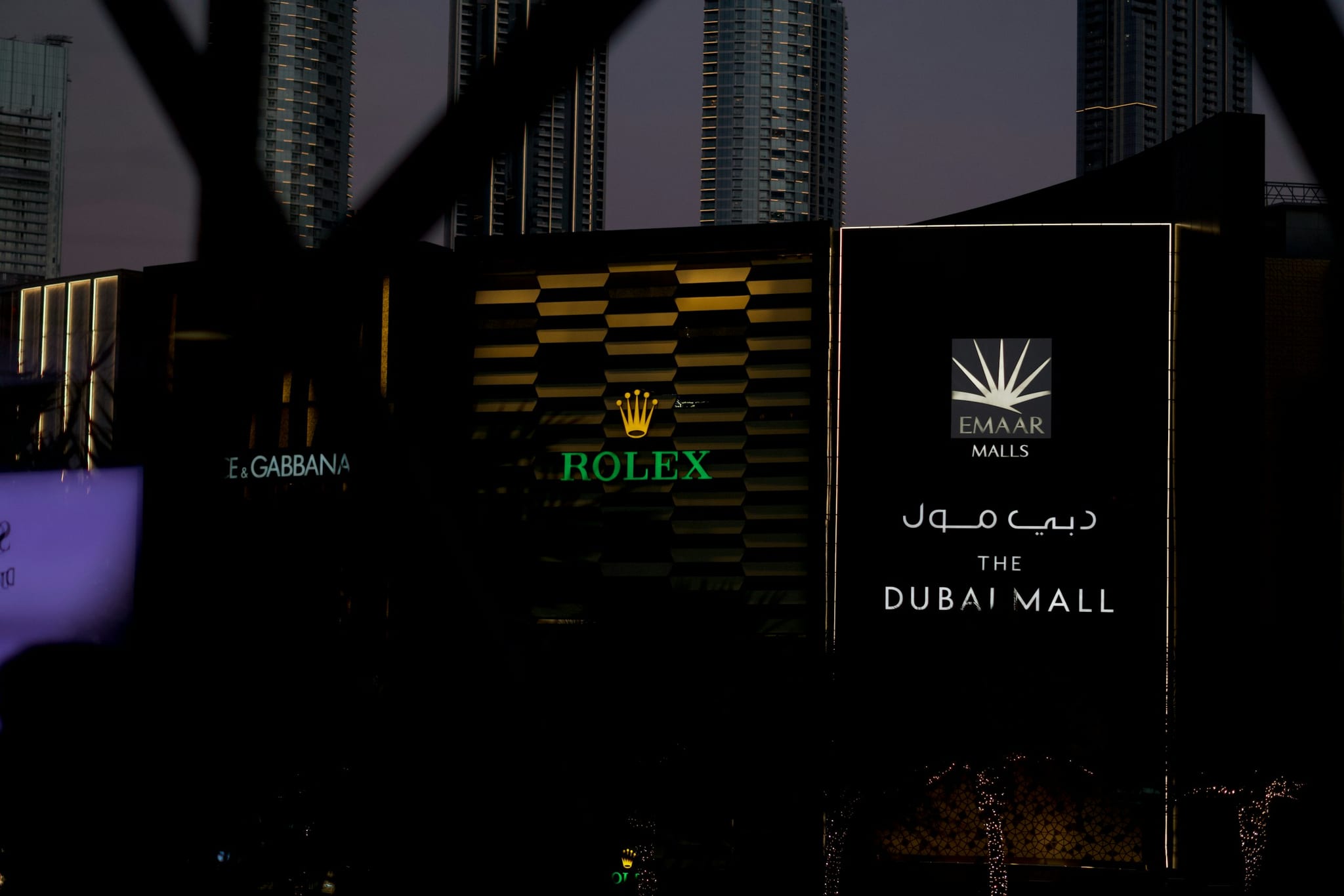
A mall in Dubai works the way malls do everywhere: fixed prices, air conditioning, a receipt with the amount already decided. The souks work on an older logic, where a price tag is a starting point rather than an answer, and the value of an item depends as much on the conversation around it as on what is printed anywhere. Neither approach is better in general, but they call for different habits, and visitors who walk into a souk expecting mall rules usually leave either overpaying or unnecessarily suspicious of every shopkeeper they meet.
That difference is also what makes the souks worth visiting even for people who have no intention of buying anything. The Gold Souk's window displays alone are a kind of open-air museum of Gulf jewellery design, the Spice Souk's sacks of saffron and frankincense turn a walk into something you smell before you see, and the whole quarter still looks and sounds close to how it did before the skyline existed.
The Gold Souk: rows of glittering shopfronts
Set back a few streets from the Creek in Deira, the Gold Souk is a covered arcade of several hundred shops, their windows packed floor to ceiling with necklaces, bangles and gold ornaments in a density that few other markets in the world match. Prices here are not arbitrary: gold is sold close to the day's international rate per gram, with the workmanship added on top, and that workmanship charge is exactly the part that is open to negotiation.
Because so many shops sell broadly similar stock, comparing two or three before settling on one is normal practice rather than an insult to the first shopkeeper, and most stall owners expect it. Visitors who know the day's gold price before arriving are in a noticeably stronger position to judge whether a quoted price is fair, and a guide who deals with the souk regularly can usually read that gap at a glance.
The Spice Souk: sacks, colour and scent
A short walk from the gold arcades, the Spice Souk is a narrower, more open lane of stalls selling saffron, frankincense, dried limes, cardamom and pyramids of loose spice in colours that no packaged version quite matches. It is one of the few markets in the city where the smell alone tells you where you are before you turn the corner, and browsing it costs nothing even for visitors who buy little more than a small bag of saffron to take home.
Quality varies more here than in the Gold Souk, since spice is harder to judge at a glance than a stamped gold weight, and the difference between a good frankincense resin and a mediocre one is genuinely large. A guide who knows which stalls sell the better grades, and who can translate the seller's description of origin and quality, turns a pleasant browse into a shopping trip worth the visit on its own.
The Textile Souk: fabric across the water
On the opposite bank of the Creek, in Bur Dubai, the Textile Souk trades in bolts of silk, cotton and embroidered fabric, along with tailors who can turn a length of cloth into a finished garment within a day or two. It draws a different crowd from the gold and spice markets, more residents having clothes made than tourists browsing for souvenirs, but it is just as open to negotiation on both the fabric and the tailoring price together.
Because tailoring adds a second, separate negotiation on top of the fabric itself, this souk rewards a bit more patience than the others, and having someone who can explain measurements and turnaround times clearly to the tailor makes the difference between a garment that fits and one that needs a second visit to fix.
Crossing by abra: the link between the two banks
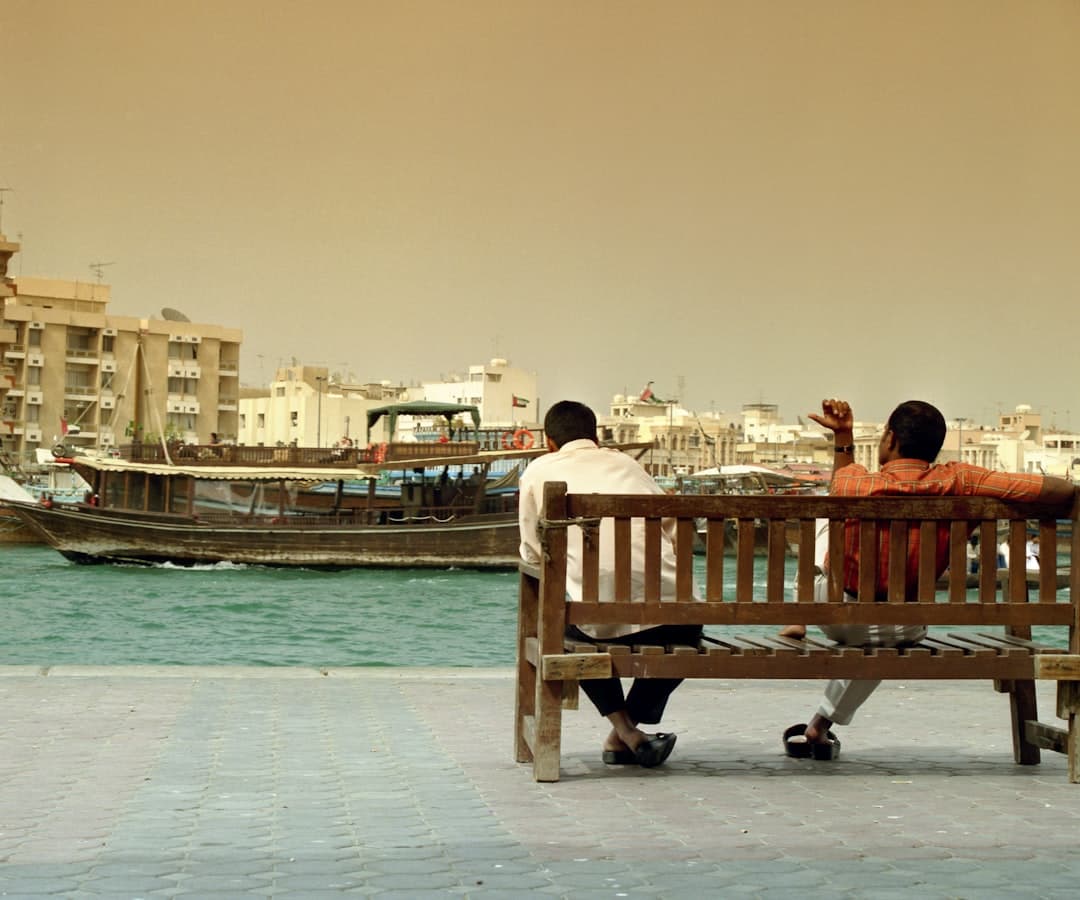
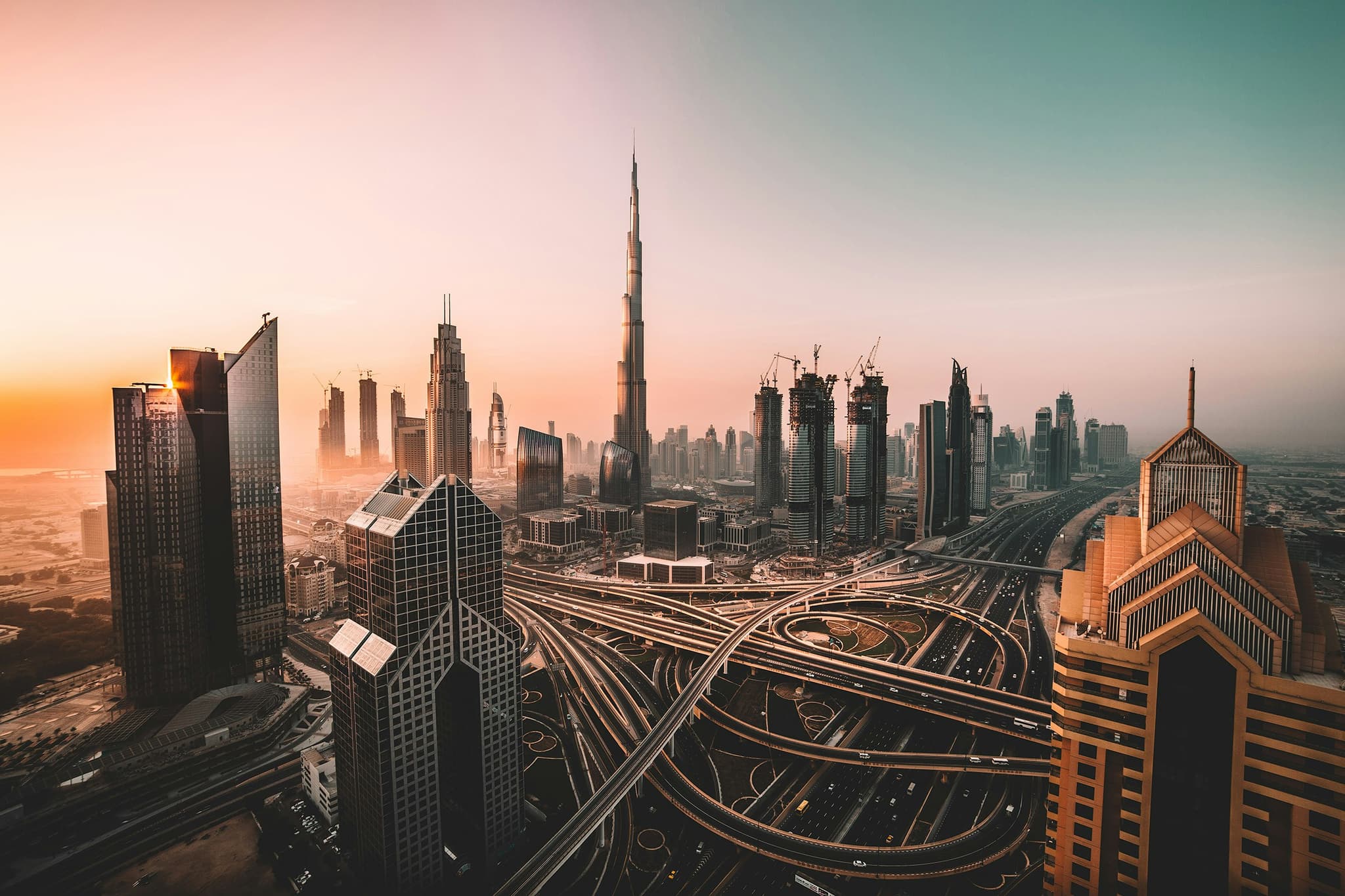
The Gold and Spice souks sit on the Deira side of the Creek, the Textile Souk on the Bur Dubai side, and the traditional way to move between them is the same one traders have used for generations: a small wooden abra ferrying passengers across the water for a token fare. The crossing takes only a few minutes, but it is one of the few places in the city where the working waterway, loaded with cargo dhows and framed by both the old skyline and the towers behind it, is still visible up close.
Doing the crossing on foot and by abra rather than by car also keeps the souk visit continuous: stepping off the boat puts you directly among the textile stalls rather than in a car park several streets away, which matters when the point of the visit is the walk itself rather than the destination.
How bargaining actually works
The first price quoted in a souk is an opening offer, not a fixed one, and the expected response is a counter-offer rather than a payment. A common and reasonable approach is to offer somewhere below half the asking price for less standardised goods such as textiles or souvenirs, and to move toward an agreement from there, while gold, being priced closer to a known daily rate, leaves less room and is negotiated mainly on the workmanship charge rather than the metal itself.
Good-natured patience matters more than aggression: shopkeepers expect a back-and-forth and generally enjoy it as part of the transaction, and walking away calmly, rather than as a bluff, is often what produces the best final offer, since a seller who sees a genuinely interested buyer leaving will frequently call them back with a better number.
Malls or souks: which one for what
Malls suit fixed prices, air-conditioned comfort, international brands and a predictable, quick transaction, which makes them the right choice for electronics, branded fashion or anything where authenticity and warranty matter more than atmosphere. Souks suit gold by weight, spices, textiles, souvenirs with local character and anything where the shopping itself, not just the purchase, is part of what you came for.
Most private shopping days in Dubai combine both rather than choosing one over the other, treating the souks as a slower, more sensory stop and the malls as the place for anything that needs a fixed price and a receipt.
A practical checklist before you go
A little preparation makes the souks noticeably easier to enjoy, especially for a first visit.
- Check the day's gold price per gram before shopping for jewellery
- Bring cash in small denominations, since some souk stalls prefer it to cards
- Dress modestly and wear comfortable shoes for the covered, sometimes crowded lanes
- Treat the first price as an opening offer and counter calmly rather than paying it outright
- Visit in the late afternoon or early evening, when the lanes are cooler and the light for photos is better
Why a private guide makes the difference
The souks reward local knowledge more than almost any other stop in the city: which stalls sell the better spice grades, what a fair workmanship charge looks like on a gold piece, how to phrase a counter-offer politely in a market where relationships matter, and how to weave the Gold Souk, Spice Souk and an abra crossing into a single afternoon rather than three separate, confusing errands. A private guide who knows the quarter well removes the guesswork and the hesitation that keep many visitors from bargaining at all.
It also turns the visit into something closer to a guided walk through a working neighbourhood than a shopping errand: a stop for Arabic coffee between the souks, a translated conversation with a spice seller about where a particular resin comes from, a second opinion on whether a quoted gold price is reasonable. Seen this way, the souks stop being a market to brace for and become one of the most memorable stretches of a private Dubai day. Those weighing a group tour instead can browse the Dubai shopping guide on gett.travel.
Dubai's souks run on an older, more personal kind of commerce than its malls: gold priced close to the day's rate with the workmanship open to negotiation, spices and textiles where quality and price both reward a closer look, and an abra crossing linking the Deira and Bur Dubai banks the way it always has. Bargaining is the normal, expected rhythm of the place rather than a trick to watch out for, and a little preparation, cash in hand, a sense of the day's gold price, and a calm, good-natured counter-offer, turns the souks from confusing into genuinely enjoyable. A private guide who knows the quarter well removes the remaining hesitation, weaving the Gold Souk, Spice Souk and Textile Souk into one continuous, well-paced afternoon rather than three separate errands.