Dubai has two faces, and the difference between them is the season. In high summer the city retreats indoors, into chilled malls and air-conditioned cars, because the heat outside is simply too fierce for lingering. From November through March it becomes a different place entirely. The temperature drops into a long, golden stretch of warm days and cool nights, the humidity eases, and everything that makes the city special, the dunes, the coastline, the old quarters and the open-air terraces, comes back within easy reach. This is peak season for good reason, and the locals call it the best half of the year without hesitation. The trade-off is that everyone else knows it too: the hotels are busier, the headline events are packed, and the prices reflect the demand. But for sheer comfort and the range of what you can do in a single day, nothing matches a Dubai winter. This guide walks through the weather month by month, what the cooler season opens up outdoors, how the desert and the beaches feel at their best, the festivals that define the calendar, and how a private day lets you follow the good weather rather than fight it.
Why winter is Dubai's golden season
The simplest way to understand Dubai is that the city is built around its summer and rewarded by its winter. For half the year the heat dictates everything; for the other half the weather quietly disappears as a problem and the city opens up. From November the air turns warm rather than scorching, the evenings carry a genuine coolness, and the sun becomes something to enjoy rather than escape. Suddenly a morning in the desert, an afternoon by the water and a dinner under the stars are not an act of endurance but the natural shape of a day.
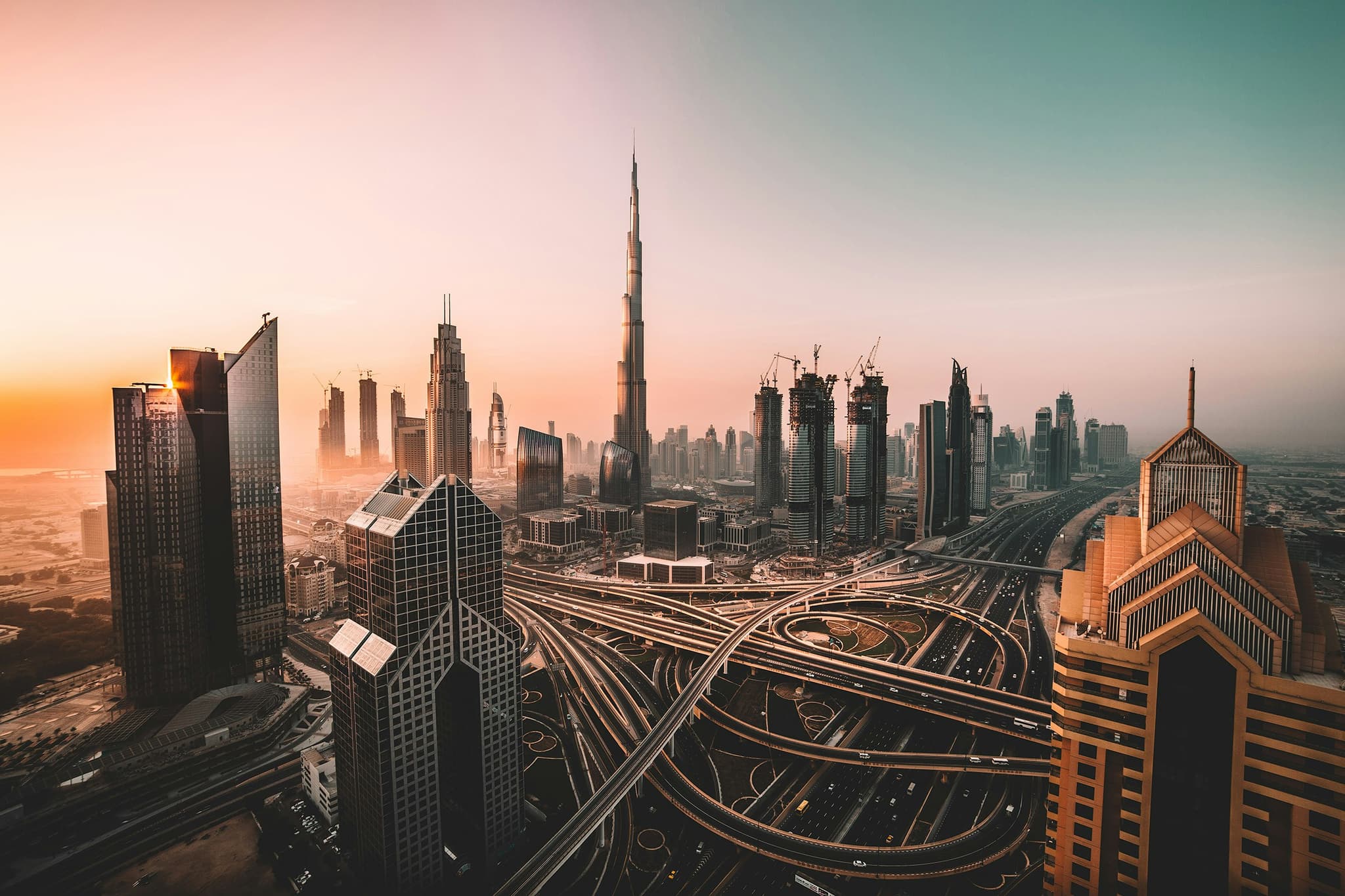
That comfort is why winter is when Dubai feels most alive. The terraces and rooftop restaurants that sit empty in July are full, the beach clubs hum, the markets are pleasant to wander, and the big outdoor events, races, concerts, festivals, all cluster into these months. It is also when the city looks its best, the skyline crisp against clear blue skies rather than hazy with heat. If there is a single piece of advice for a first visit, it is to come between November and March if you possibly can, exactly the window highlighted in our best time to visit Dubai guide.
The weather, month by month
Winter in Dubai is reliably fine, but it does shift across the season. November is the gentle opening: the summer humidity has gone, days are warm and often touch the high twenties or low thirties, and the sea is still warm from summer. December and January are the heart of the cool season, with comfortable daytime warmth, genuinely cool evenings that can call for a light jacket, and the occasional short burst of rain, a rare and almost celebrated event in the Emirates. February eases back toward warmth, and by March the days are noticeably hotter again, a last comfortable window before the heat returns in April.
The practical takeaway is that a Dubai winter rarely disappoints, but the evenings are cooler than visitors expect. Days are made for sun and water; nights, especially in December and January and out in the desert, can be genuinely chilly. Pack light clothing for the daytime and at least one warm layer for the evening, and you are ready for everything the season offers.
What the cool season opens up outdoors
The real gift of winter is that the whole outdoor city becomes comfortable at once, and a single day can hold far more than it could in summer. These are the experiences that come into their own in the cooler months:
- Desert safaris in daylight, when the dunes can be enjoyed in the warm afternoon sun rather than survived, with the cool of the evening making the campfire and dinner genuinely pleasant.
- Walking the old quarters, Al Fahidi, the Gold and Spice souks and the creek, on foot and in comfort, the kind of slow wandering that is unthinkable in summer heat.
- Beach days and water sports, with the sea warm into early winter and the sand bearable all day rather than only at dawn and dusk.
- Rooftop and open-air dining, the terraces, sky bars and waterfront restaurants that define a Dubai evening, all back in full use under cool night air.
- Outdoor markets, night gardens and festivals, from craft markets to the seasonal light and flower attractions that only run in the cooler months.
- Mountain and road trips to Hatta, the east coast and the northern emirates, where the cooler weather makes hiking, wadis and long drives a pleasure.
The desert and the beach at their best
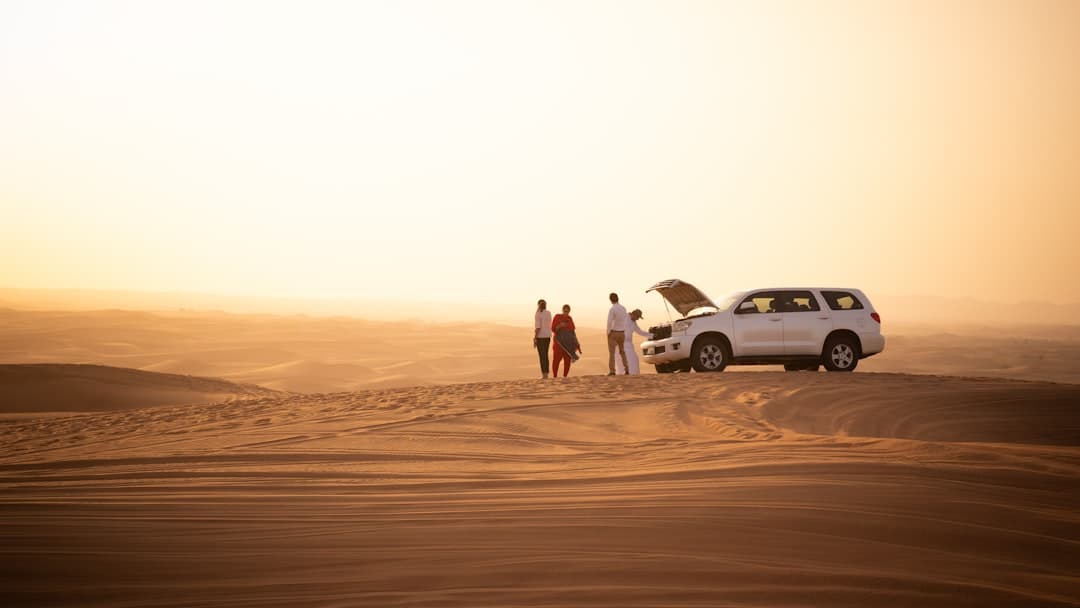
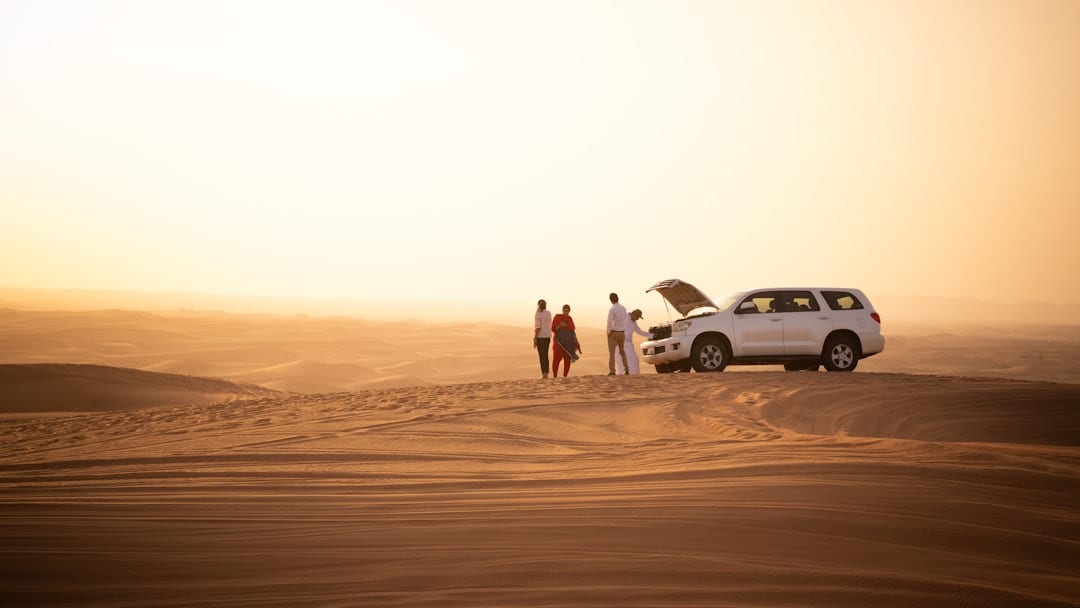
Two of Dubai's signature experiences, the desert and the coast, are transformed by the season. A desert safari in winter is a different thing entirely from its summer version: the afternoon dunes are warm and golden rather than blistering, the drive and the dune walks are comfortable, and as the sun drops the desert turns sharply cold, which makes the fire, the dinner and the night sky feel earned and atmospheric. It is the season the desert was made to be seen in, and a private safari lets you time it to the light and skip the crowds.
The coastline follows the same logic. Early winter still has warm water for swimming, and even at the cool heart of the season the beaches and pools are comfortable through the day, with the sun pleasant rather than punishing. Beach clubs and waterfront promenades are at their liveliest, and a morning by the sea sits naturally alongside an afternoon in the city. Pair the two, dunes one day and the coast the next, and you see the full range of what Dubai's landscape offers, all in shirtsleeve comfort.
A calendar full of events
Winter is also Dubai's event season, and the cool months are when the city's biggest gatherings land. The Dubai Shopping Festival fills the new year with sales, fireworks and entertainment across the malls; major sport, from tennis and golf to the racing calendar, draws international crowds; and the season is dense with concerts, food festivals, an evening at Global Village and cultural events that simply could not happen in summer's heat. For many visitors a winter trip is built as much around a marquee event as around the city itself.
The flip side of all this is that winter is the busy season. The headline weeks, the New Year period above all, bring full hotels, booked-out restaurants and crowds at the famous viewpoints, and prices rise to match. None of it should put you off, but it rewards planning: book the things that matter early, and think about how you move through the busy days so the crowds enhance the trip rather than define it. That is where having the season's rhythm worked out in advance makes the difference.
Right now, in the middle of summer 2026, is exactly when seasoned visitors start locking in the winter ahead. From November, hotel rates typically begin climbing back up from their summer lows, flights into the cooler months fill first, and the marquee weeks, especially the turn of the year, sell out their best restaurants and view tables months in advance. If a winter 2026-2027 trip is even a possibility, this is the moment to hold dates rather than wait for the weather to turn, a pattern our New Year's Eve planning guide covers in more detail.
Seeing winter Dubai on a private day
The luxury of a Dubai winter is choice: on any given day the desert, the coast, the old city and the rooftops are all comfortable, and the only real question is how to fit them together. This is exactly where a private guide turns a good trip into an effortless one. Rather than locking you to a fixed itinerary, a private day follows the weather and the light, a leisurely morning in the souks while the air is fresh, the desert timed to the golden afternoon, a cool evening saved for a terrace with a view.
It also smooths the one drawback of the season, the crowds. A private driver and guide know which viewpoints to reach before the coaches arrive, which restaurants to reserve and how to route a day around the busy events rather than into them. For families, for older travellers and for anyone who wants to enjoy peak season without its friction, that ease is the whole point. Come in winter, let someone who knows the rhythm of the cool months shape the days, and you get Dubai at its most generous, comfortable, open-air and alive, with none of the guesswork. For a group-format option, gett.travel keeps the UAE seasonal events calendar.
If you can choose when to see Dubai, choose winter. Between November and March the heat steps aside and the entire city moves outdoors, the desert and the beaches comfortable on the same day, the rooftops and souks at their best, and the calendar full of events. The only cost is company: this is peak season, so the city is busy and prices climb. Pack for warm days and cool nights, book the highlights early, and lean on someone who knows the rhythm of the cool months, and a Dubai winter is as good as a city break gets.