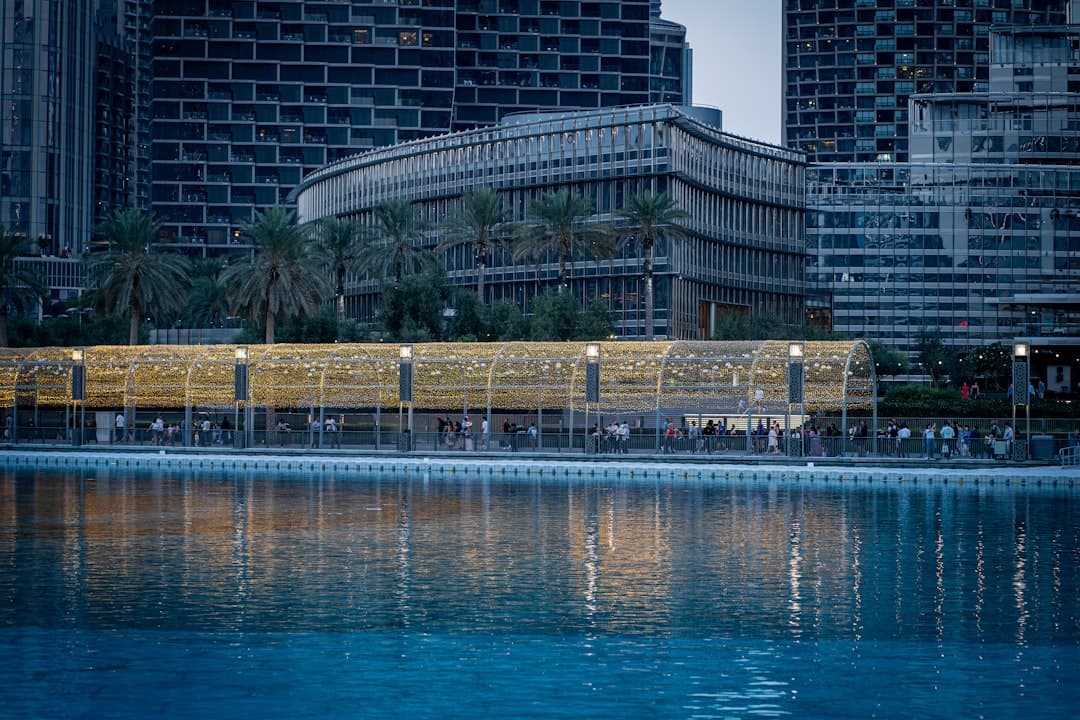
A district search on any Dubai property site returns dozens of near-identical descriptions, and the glossy render on the landing page rarely matches what a site visit actually shows. Comparing two districts properly means setting the marketing copy aside and working through a shorter, more concrete list: what the paperwork actually says, what the ground looks like today rather than on the master plan, and what a budget needs to cover once the purchase itself is done.
Why two district pages can read identically and still be very different
Property portals group listings by district and little else, so a waterside community still years from completion and one already handed over can appear side by side with near-identical copy. The description tells you almost nothing about which stage either project is actually at.
The only way to separate the two is to stop comparing the page and start comparing the project itself, how far construction has actually progressed against the render, and what has already been delivered rather than what is still a promise in a brochure.
What is actually worth comparing between two districts
Freehold status is the first filter. Not every district is open to foreign ownership, and a listing that looks identical to a freehold one two streets over can sit in a leasehold-only zone instead. Confirming this before comparing anything else saves the most time.
After that, the comparison is mostly about what is already built rather than what is planned. Roads, schools and retail that exist today carry far more weight than the same list promised for a future phase, and a community well into construction behaves very differently from one that is still mostly sand and renders, even if both brochures use the same finished-lifestyle photography.
What a site visit shows that no listing does
A drive time quoted on a map rarely matches a drive time at the hour you would actually be making it. The same route that takes a few minutes at midday can take considerably longer during a weekday commute, and visiting at the time you would realistically be travelling is the only way to find this out.
Active construction nearby, dust, noise and heavy trucks on the access road, is almost never mentioned in a listing, and a community still being built around the unit you are viewing can mean years of this before the area settles. The direction a unit faces also matters more in Dubai's climate than almost anywhere else, a west-facing balcony is close to unusable for much of the year regardless of how it photographs.
Costs that show up after the purchase, not on the price tag
The price advertised on a listing is rarely the full amount a buyer ends up paying. A one-time government registration fee applies to every transfer, an agency commission is typically due at the point of purchase, and a mortgage, where one is used, carries its own separate registration cost.
Beyond the purchase itself, ongoing service charges are set annually by each building's management and vary significantly even within the same district. Two towers facing each other can carry very different annual charges depending on the amenities and maintenance contracts behind them, and these figures are published by the management company and worth requesting before, not after, signing.
- Ask for the current service charge statement, not an estimate, before comparing two units
- Confirm in writing who is responsible for the transfer fee and the agency commission
- Check whether a mortgage registration cost applies to your specific financing
- Ask what the service charge actually covers, cooling, security, shared facilities, before comparing figures across buildings
A short framework for comparing two districts side by side
Reducing the comparison to the same handful of questions for every district makes the exercise far less overwhelming than trying to judge an entire neighbourhood's character from a single visit.
- Is this district open to foreign freehold ownership, or only to UAE and GCC nationals
- How much of the master plan is actually built today, not promised for a future phase
- What is the realistic drive time to work or school at the hour you would travel, not the hour on the map
- What does the current service charge statement show for a comparable unit in the building
- What is the developer's track record for handing this specific project over on the date originally promised
- Does the unit's orientation suit Dubai's climate for the months you would actually use the balcony or terrace
Weighing two shortlisted districts against each other
Once the same questions are answered for both districts, the comparison usually resolves itself. One option tends to fail on freehold status, completion stage or commute long before lifestyle preference becomes the deciding factor.
Once those points come back consistent for a district, the remaining decision is closer to personal preference, proximity to family, daily routine, lifestyle, than to anything a comparison list can settle on its own.
Two Dubai districts rarely differ on the headline description, waterside, family-friendly, central, they differ on how much of the master plan is actually built, whether foreign freehold ownership applies, what a site visit at the right time of day actually shows, and what the service charge statement says once a unit is shortlisted. Working through the same handful of concrete questions for every district under consideration replaces a comparison of marketing pages with a comparison of facts that hold up after the purchase is signed.