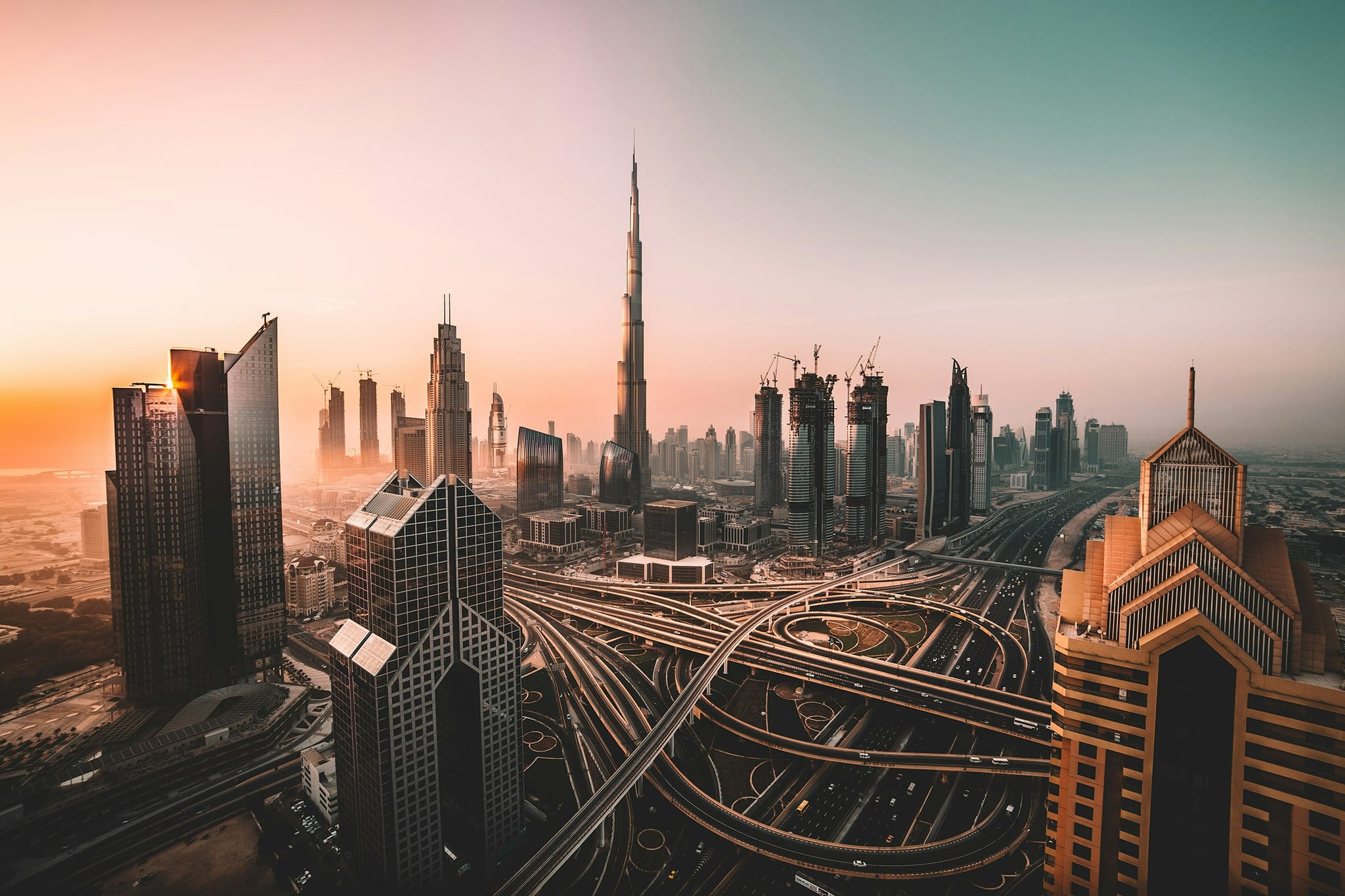
Every year, more travellers from Kazakhstan, Uzbekistan, Kyrgyzstan and Tajikistan choose the UAE over a long-haul flight west, and the reasons are simple once you look at them together. The flight is a few hours rather than a full day, the time difference is small enough that jet lag barely registers, and a Dubai winter, warm, dry and sunny, is the exact opposite of a Central Asian one. There is also a cultural comfort that is easy to underestimate: a respect for family and elders, a hospitality that puts the guest first, a modesty in dress and manners, all of it translates naturally into a city built around the same instincts. What the trip needs is less a reason to go and more a plan that fits the group making it, often three generations travelling together, a shared language, food that everyone at the table can eat without asking questions, and a pace that respects prayer times rather than working around them as an afterthought. This guide is written for exactly that traveller: someone who wants Dubai's landmarks and desert and shopping, delivered in a format that already understands where they are coming from.
A close, familiar kind of far away
On a map, Central Asia and the Gulf look like different worlds, but in practice the distance collapses quickly. The flight from Almaty or Tashkent to Dubai is measured in hours, not in a change of continent, and travellers frequently remark that the culture shock they braced for never really arrives. Hospitality here works the same way it does at home: the guest is honoured, elders are given priority and deference, and a shared meal matters more than a rushed itinerary.
That familiarity extends to values that shape how a trip should be built. A family with grandparents, parents and children expects a pace that suits all three generations at once, not a schedule built for the fastest walker in the group. A traveller who prays five times a day expects a day that leaves room for it, not a guide who treats the request as an inconvenience. None of this is unusual to ask for in Dubai, a city that already caters to millions of Muslim visitors every year, it simply needs to be planned for rather than assumed.
Getting there: direct flights from home
Dubai is well connected to the region's main hubs, with direct flights available from Almaty, Astana, Tashkent and Bishkek on a mix of Gulf and regional carriers. Flight times run a few hours rather than the better part of a day, which makes the UAE realistic even for a shorter break, a long weekend or a school holiday, without the trip itself eating into the time meant for rest. A short flight also means less strain on children and older relatives, a real consideration for a multi-generation trip.
Because schedules, routes and specific carriers change from season to season, it is worth confirming your exact flight options directly with an airline or a trusted travel agent close to your planned dates rather than relying on last year's timetable. Once you land, a private individual tour with an air-conditioned car waiting at arrivals is the easiest way to start the trip without navigating an unfamiliar airport and city on your own.
Entry rules: confirm before you book, not after
Entry requirements for the UAE differ by citizenship, and they are also the kind of detail that changes over time as agreements between countries are updated. Rather than repeat a rule here that may no longer be current by the time you travel, the honest advice is this: confirm the exact entry requirement for your citizenship, whether that means a visa on arrival, an e-visa arranged in advance, or a visa-free stay, directly with the UAE's official immigration channels or your airline before you book flights or non-refundable tours.
This matters more for a group trip than a solo one, because a family travelling together may include holders of different passports, a Kazakhstani grandmother, an Uzbekistani in-law, a child with dual citizenship, and each person's requirement should be checked individually rather than assumed to match the rest of the group. A few minutes of confirmation before booking saves a difficult surprise at the airport.
A Russian-speaking guide who gets it
For most travellers from Kazakhstan, Uzbekistan, Kyrgyzstan and Tajikistan, Russian is the language that makes a trip comfortable, whether it is a first or second language at home, and a private guide who speaks it removes the single biggest source of friction on a foreign trip. Questions about a menu, a mosque's etiquette, a fair price in a souk or simply where the nearest quiet corner is, all get answered without the delay and misunderstanding of translation apps or broken English.
That comfort goes further than words. A guide who already works with travellers from the region understands the shape of the trip you likely want: family-first, unhurried, respectful of prayer and food, generous with time for photographs of grandparents with grandchildren in front of a landmark. Our guide to private, Russian-speaking tours in Dubai covers the format in more general terms; this guide focuses on what changes for a Central Asian group specifically.
Halal-friendly routes with room to pause
A private itinerary can be built around the practicalities that matter to a Muslim family without turning them into a special request. Dubai makes this straightforward, since halal food is the default rather than the exception across most of the city, and mosques are close to nearly every major landmark.
A well-planned day for this kind of traveller typically includes:
- Restaurant stops chosen for halal menus as a matter of course, not as an afterthought.
- A schedule with natural breaks near prayer times, so the day slows down rather than stops.
- Modest, family-friendly photo locations at each landmark, timed to avoid the harshest midday sun.
- A driver-guide briefed in advance on the group's preferences, so nothing needs to be explained twice.
The best season: trade the cold for the sun
While Almaty, Tashkent, Bishkek and Dushanbe settle into winter frost, Dubai moves into its most pleasant stretch of the year, and the contrast is exactly what makes the season so popular with travellers from the region. The months worth planning around:
- October to April: warm days, cool evenings and outdoor plans that stay comfortable all day, the reverse of a Central Asian winter.
- December and January: peak demand for family trips over school holidays, worth booking tours a little further ahead.
- May through September: hot and humid, still workable with air-conditioned transfers and indoor attractions, but less comfortable for long outdoor days with older relatives or small children.
Built for three generations, and why private wins
A trip that brings grandparents, parents and children together only works if the pace bends to the slowest member of the group rather than the fastest, and that is precisely what a group bus tour, built around a fixed schedule and a busload of strangers, cannot do. A private day moves at the family's own speed: a longer stop when grandmother wants to sit and watch the fountains, a shorter one when a toddler has had enough sun, an early return to the hotel for an afternoon rest before an evening out.
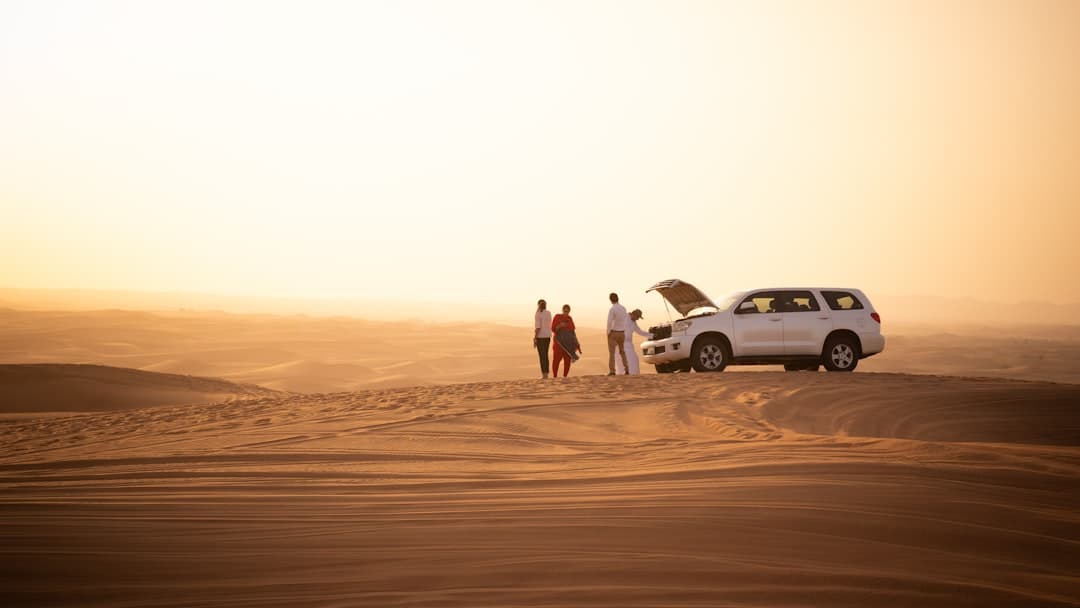
This is where the private format earns its place over a shared one for this specific trip. A private desert safari can be timed around nap schedules rather than a fixed departure, and a combined Dubai and Abu Dhabi day can be split differently if part of the family tires before the rest. Once the essentials, flights, entry rules, language and food, are settled, family-friendly attractions fill out the rest of a multi-day trip without adding any extra planning for the group.
A trip from Kazakhstan or Central Asia to the UAE works best when the details that matter to your family, the exact entry rule for each passport, a Russian-speaking guide, halal food, room for prayer and a pace that suits three generations at once, are planned for rather than discovered on arrival. Confirm the flights and entry requirements early, choose a private format over a shared bus tour, and Dubai gives back a trip that feels less like a foreign country and more like a warmer, sunnier version of the values you already travel with. That combination, familiar comfort with landmark scenery attached, is exactly what keeps travellers from the region coming back.