An Al Ain day trip is the antidote to the coast. Set inland against the Omani border, the UAE's Garden City swaps glass towers for date palms, falaj water channels and a mountain that rises straight out of the plain. This is the country's green heart and a UNESCO World Heritage site, slower and more historic than anywhere on the seafront. For travellers who have seen the skylines, Al Ain offers something quieter and older.
Why visit Al Ain
Al Ain grew around water in a way the coastal cities never had to, and that shows in its character: shaded, green and rooted in agriculture and heritage. It was the birthplace and lifelong love of the nation's founding father, and the city still feels personal and unhurried.
An Al Ain day trip suits anyone who wants the UAE beyond shopping and skylines, history without a museum's walls, and a landscape that turns surprisingly cool and green in places. It is an easy private day from either Dubai or Abu Dhabi. Travelers who prefer a group-format day can also see the Al Ain guide on gett.travel.
Al Ain Oasis and the falaj
The Al Ain Oasis is the city's beating heart, tens of thousands of date palms threaded by shaded walkways and the ancient falaj irrigation channels that still carry water through the groves. Walking it, the temperature drops and the noise of the modern city falls away.
The falaj system is the real story here: a centuries-old method of moving water by gravity from underground sources, and the reason a city could exist this far inland. It is the kind of heritage you feel rather than read, especially with a guide to explain how it works.
Jebel Hafeet, the mountain road
Rising sharply above the city, Jebel Hafeet is one of the UAE's highest peaks, and the road that switchbacks to its summit is among the country's finest drives. Each bend opens a wider view over Al Ain, the desert and the border country beyond.
From the top, the plain stretches out below in a way that puts the whole day in perspective. It is best at the cooler ends of the day, and on a private tour your driver handles the climb while you simply watch the landscape fall away.
Forts, the zoo and the camel market
Al Jahili Fort is among the largest historic forts in the country, a handsome mud-brick stronghold that now tells the story of the region's past. It anchors the city's heritage and makes an easy, shaded stop.
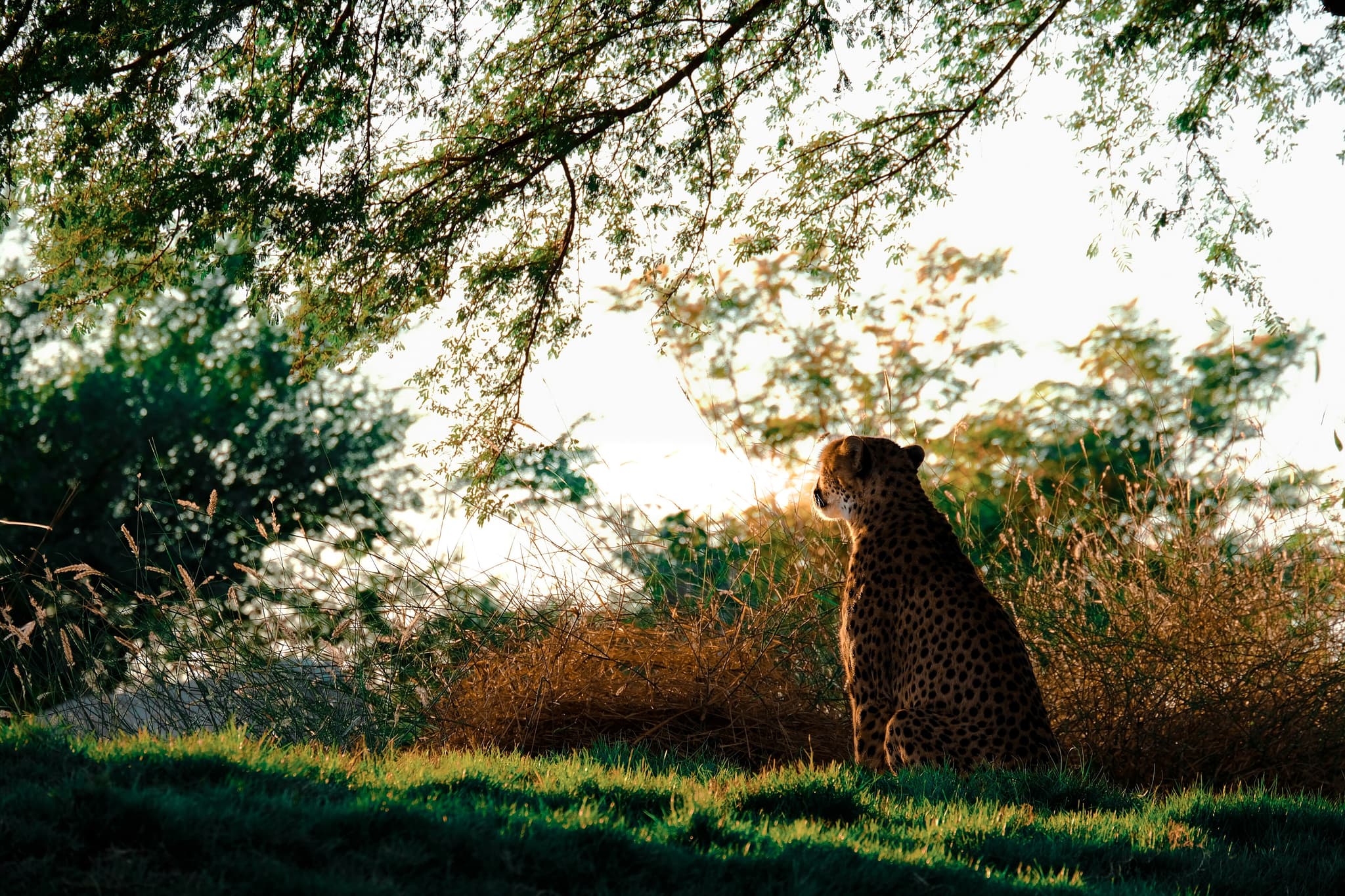
Families often add Al Ain Zoo, set against the mountain and known for its conservation work, while the traditional camel market offers a vivid, unpolished glimpse of older Emirati commerce. Few visitors expect it, and most remember it.
- Al Jahili Fort for heritage and shade
- Al Ain Zoo for families and conservation
- The camel market for an authentic, working corner of the city
- Green Mubazzarah for hot springs at the foot of the mountain
Green Mubazzarah and the hot springs
At the base of Jebel Hafeet, Green Mubazzarah surprises first-time visitors: rolling green lawns fed by natural hot springs, with steam rising from streams against the mountain backdrop. It is a popular spot for a relaxed pause.
Paired with the drive up the mountain, it makes a natural end to the inland portion of the day, somewhere to slow down before the road back to the coast.
Planning a private Al Ain day
Al Ain sits roughly midway inland, a comfortable drive from both Dubai and Abu Dhabi, which makes it an easy full-day outing rather than an overnight. The cooler months are ideal, though the oasis and the mountain stay pleasant even when the coast is hot.
On a private tour you are collected from your door, with a guide in Russian, English or Arabic who can balance the oasis, a fort, the mountain road and the springs around the heat and your interests. Confirm timings for any sites you have your heart set on, as some heritage venues keep shorter hours.
Al Ain is the UAE at its most rooted, green, historic and quietly proud of its water. A private day from Dubai or Abu Dhabi lets you fold the oasis, a fort, the mountain road and the springs into one easy itinerary, paced around the heat. Tell us what appeals and we will plan it with you on WhatsApp.