None of the UAE's biggest events happen quietly. A Formula 1 weekend fills Yas Island and its access roads for four days, the Dubai Shopping Festival stretches for weeks and reshapes traffic around every major mall, and Ramadan changes opening hours, meal times and the entire rhythm of the city for a month. Knowing roughly when each of these lands, and which weeks of the year are genuinely quiet, is most of the planning a good UAE trip needs. What follows is a season-by-season map of the year, with a note on how a private format changes each event, and links to the fuller guides where one already exists.
Late autumn: National Day and the start of Formula 1 season
The UAE marks National Day on 2 December, commemorating the 1971 union of the emirates, with flag displays, evening celebrations and fireworks across Dubai and Abu Dhabi that build for several days around the date. The same stretch of the calendar traditionally hosts the Abu Dhabi Grand Prix at Yas Marina Circuit, the closing round of the Formula 1 season and the event that turns Yas Island into a four-day festival of paddock access, after-race concerts and a fully booked island; a dedicated private guide covers how a VIP weekend there is arranged.
Both events fall inside the same few weeks, which makes early November through early December one of the busiest, and most rewarding, windows in the whole UAE year. A private driver-guide earns its keep here specifically, timing the crossing to Yas Island around race sessions and choosing routes around National Day's central parades rather than sitting in the queues built for shuttle buses and public parking.
December into January: New Year's Eve and the opening of Dubai Shopping Festival
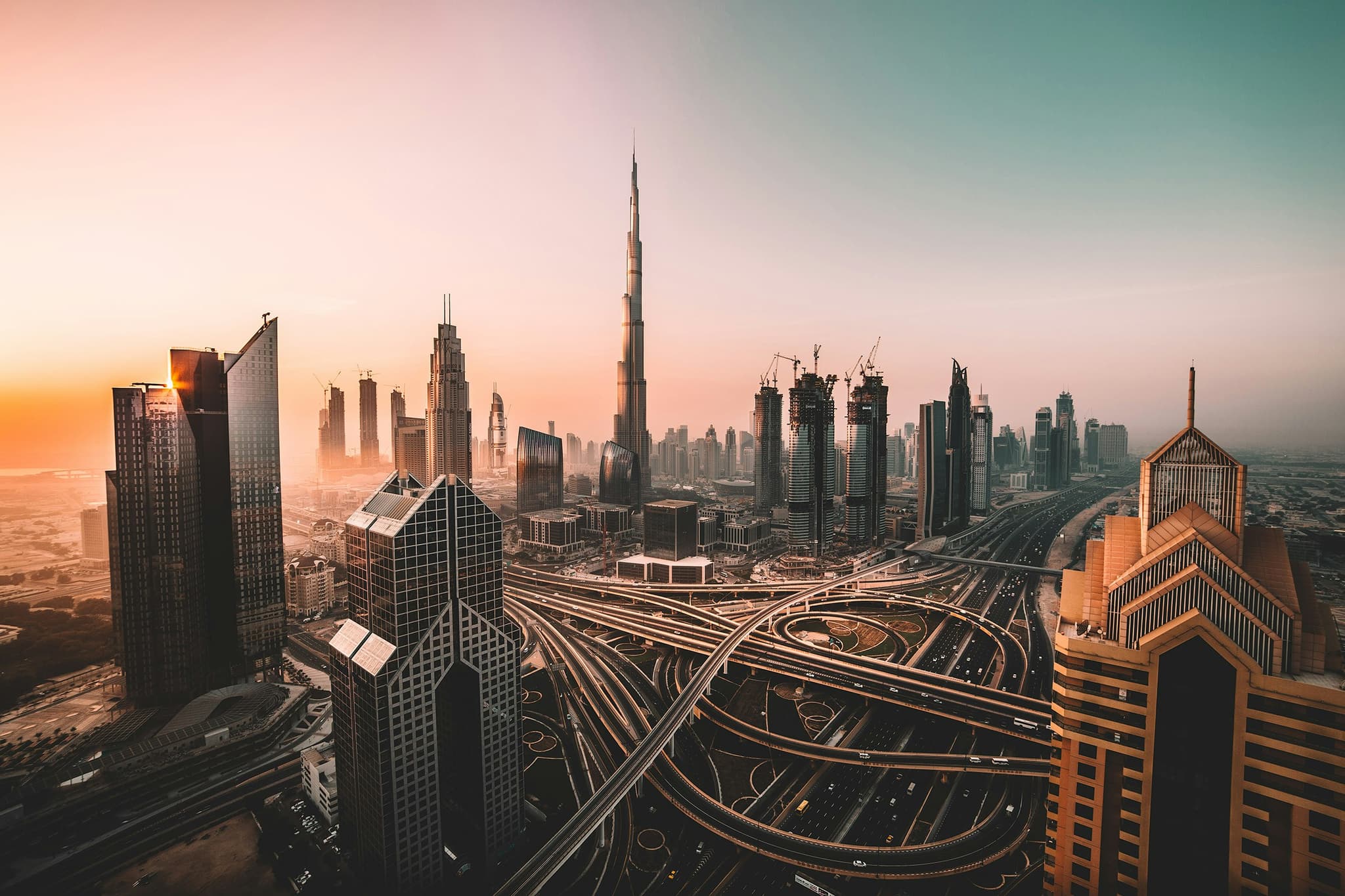
New Year's Eve in Dubai centres on the Burj Khalifa fireworks and light show, watched from Downtown Dubai, the Marina, Palm Jumeirah and a growing number of rooftop and yacht vantage points, most of which fill or close to traffic hours before midnight; a separate guide covers how a private evening is timed around the crowds and the closures.
The Dubai Shopping Festival typically opens in the second half of December and runs for several weeks into the new year, layering retail promotions, raffles and a citywide events programme onto an already busy stretch of the calendar. A private format matters here less for the sales themselves and more for the traffic they generate around every major mall; a personal stylist-guide and a driver who knows which entrances avoid the queues are covered in a dedicated Dubai Shopping Festival guide.
Late winter into March: the Dubai World Cup and the region's art season
The Dubai World Cup, traditionally held on the last Saturday of March at Meydan Racecourse, closes the Dubai World Cup Carnival with the richest race card of the season and one of the most formal, dressed-up crowds anywhere in the UAE calendar; a full private guide to the race day, hospitality boxes and dress code exists separately.
The same season carries the region's main art fairs and gallery openings, Art Dubai and a run of Alserkal Avenue and Saadiyat Island exhibitions among them, giving late winter into March a cultural density that pairs naturally with a private day built around a gallery or a museum rather than a race card.
Ramadan and Eid: the dates that move every year
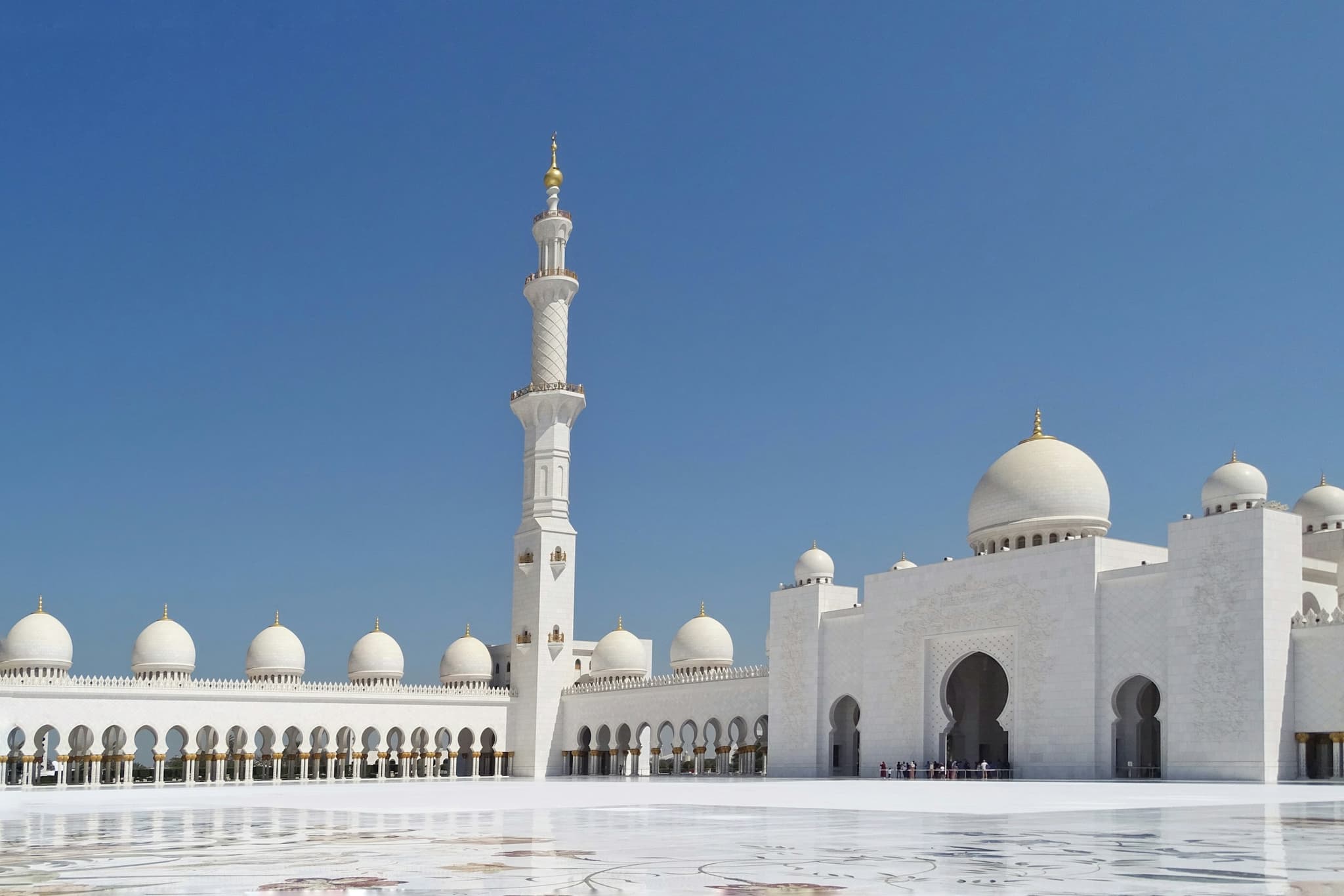
Ramadan and the two Eid holidays follow the Islamic lunar calendar, so each falls roughly eleven days earlier every Gregorian year and there is no fixed month to plan around; the current dates should always be checked against an official Islamic calendar closer to travel rather than assumed from a previous year. What stays constant is the shift in rhythm, shorter public working hours, restrictions on eating and drinking in public during daylight, and evening iftar tables that turn much of the city's dining scene nocturnal.
A private guide is arguably more useful during Ramadan than at any other point in the year, timing sightseeing around the changed daylight-hours etiquette, booking an iftar table ahead of the evening rush, and building in the mosque visits and cultural context that a group itinerary rarely has room for; a separate guide covers Ramadan in Dubai in full.
The quiet months: April through October
Between the World Cup season and the return of cooler evenings in November, the UAE calendar empties out considerably. Temperatures climb through the summer, which thins out the crowds at outdoor sights and pushes most of the events calendar indoors or onto hold until autumn, but it also means shorter waits at museums, easier restaurant bookings and hotel rates that soften noticeably. A private, air-conditioned itinerary paced around indoor mornings and cooler evenings is, if anything, more comfortable in these months than during the packed events season.
Planning a private year around the calendar
None of these events require fighting the crowd to enjoy properly; each one has a private version, a hospitality box, a rooftop table, a driver who knows which roads close and when, that turns a logistics problem into an ordinary part of the day. The common thread across the whole calendar is timing, arriving before the roads fill, leaving before the crowd does, and having someone who tracks the actual event schedule rather than a generic gate-opening time.
Whichever event brings a trip together, the planning question is the same: which weeks does it land in this year, and what else is happening in the UAE at the same time. Building a private day, or a private week, around that answer is what the guides in this calendar are for.
The calendar also connects to broader trip themes: travellers building a day around a VIP-level experience rather than a single date will find a dedicated guide to Dubai's luxury experiences useful, and families planning a visit with children around the same calendar have a separate family guide to the city to lean on.
The UAE's calendar year moves from one headline event to the next, National Day and Formula 1 in late autumn, New Year's Eve and the Dubai Shopping Festival through December and January, the Dubai World Cup and the region's art season in March, a moving Ramadan and Eid somewhere across the year, and a genuinely quiet stretch from April through October. None of it requires competing with the crowd. Knowing roughly when each event lands, and pairing it with a private driver-guide who tracks the real schedule rather than a shuttle timetable, is what turns a packed calendar into a comfortable one.