Most coverage of the Dubai World Cup lists prize money and past winners, numbers that say little about what the day actually involves for a guest, a single racecourse absorbing a formal crowd for one afternoon, an enclosure system that rewards knowing which tier to book, and a dress code that turns away guests who misjudge it at the gate. The private version of the day is less about the racecard and more about arriving already sorted, the box confirmed, the transfer timed and the outfit already cleared.
What the Dubai World Cup day actually is
The Dubai World Cup is traditionally held on the last Saturday of March at Meydan Racecourse, closing the Dubai World Cup Carnival with the richest card of the season and a fashion crowd to match. Exact 2026 dates are confirmed by the racecourse calendar closer to the season, so it is worth checking current dates before building a day around the meeting rather than assuming a fixed Saturday.
For a guest, the day mostly changes two things, Meydan itself runs at full capacity for one afternoon, with the grandstand, hospitality suites and paddock all in use at once, and everything outside the racecourse gates carries on as an ordinary Dubai afternoon, which is exactly where a private format earns its keep before and after the racing.
Why a private format changes the race day
Meydan draws a formal, dressed-up crowd through a single set of gates on a single afternoon, which is exactly where general admission logistics start to strain, queues at the dress code checkpoint, a long walk from public parking, and a seat that is decided by whoever books the enclosure first. A private format addresses both halves at once, a hospitality box confirmed well ahead of the card and a transfer timed around the actual races rather than a generic gate-opening time.
Hospitality boxes and enclosures at Meydan
Meydan Racecourse offers a tiered system above general admission, from grandstand hospitality with a clear view of the home straight to private boxes and suites overlooking the parade ring, each including catering and a seated base for the afternoon rather than standing among the crowd between races. Choosing a tier comes down to what matters most, proximity to the winning post, a view of the parade ring before each race, or simply a quiet, seated corner away from the busiest enclosures.
Dress code and race-day etiquette
Meydan enforces a formal dress code in its premium enclosures, tailored suits and dresses with a hat or fascinator being the usual read for the day, and enclosure staff do check it at the gate. A concierge arranged ahead of the day can confirm the exact code for the enclosure booked, flag anything a guest's outfit might be missing, and time the arrival so the check-in happens without a queue rather than at the busiest moment before the first race.
A private driver for race day logistics
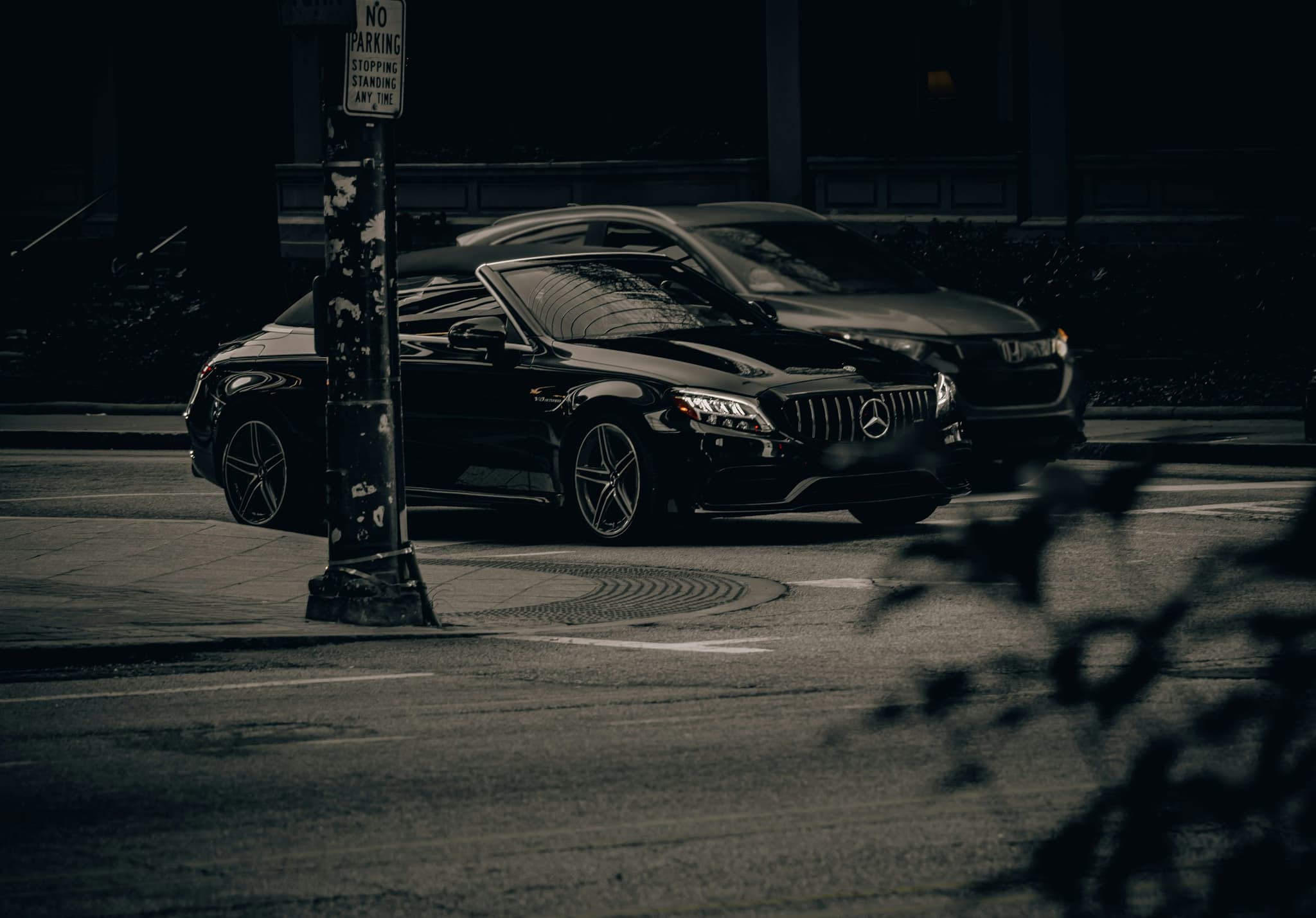
Meydan sits on a single road corridor that carries most of race day's traffic, and that corridor is busiest at exactly the two moments most guests are moving, the run-up to the first race and the exit once the final race and prize presentation wrap up. A private driver-guide times the arrival to reach the box well before the dress code checkpoint gets busy, and handles the return leg after the crowd thins rather than joining the queue for the exit ramps.
Private Dubai touring around race day
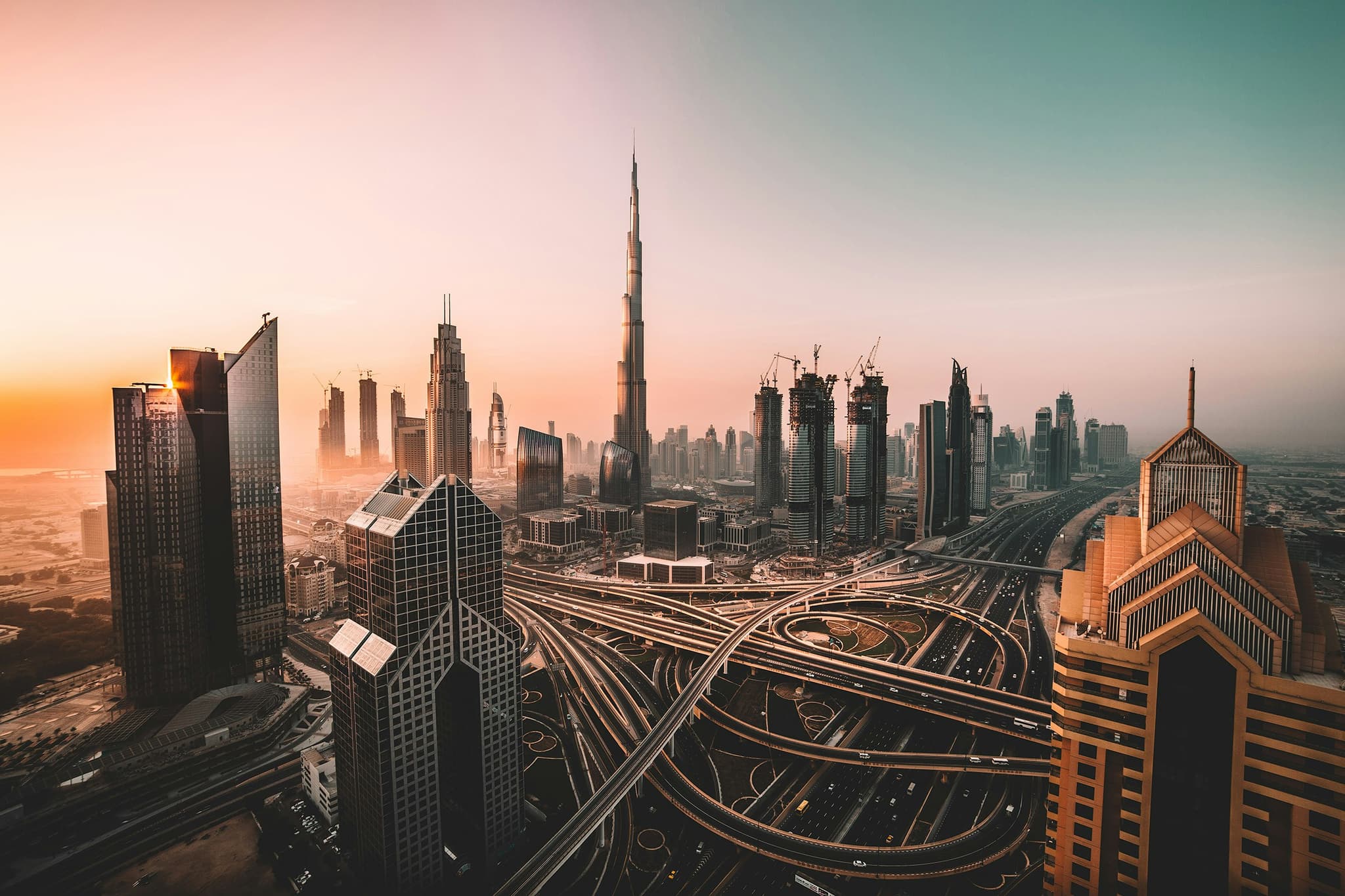
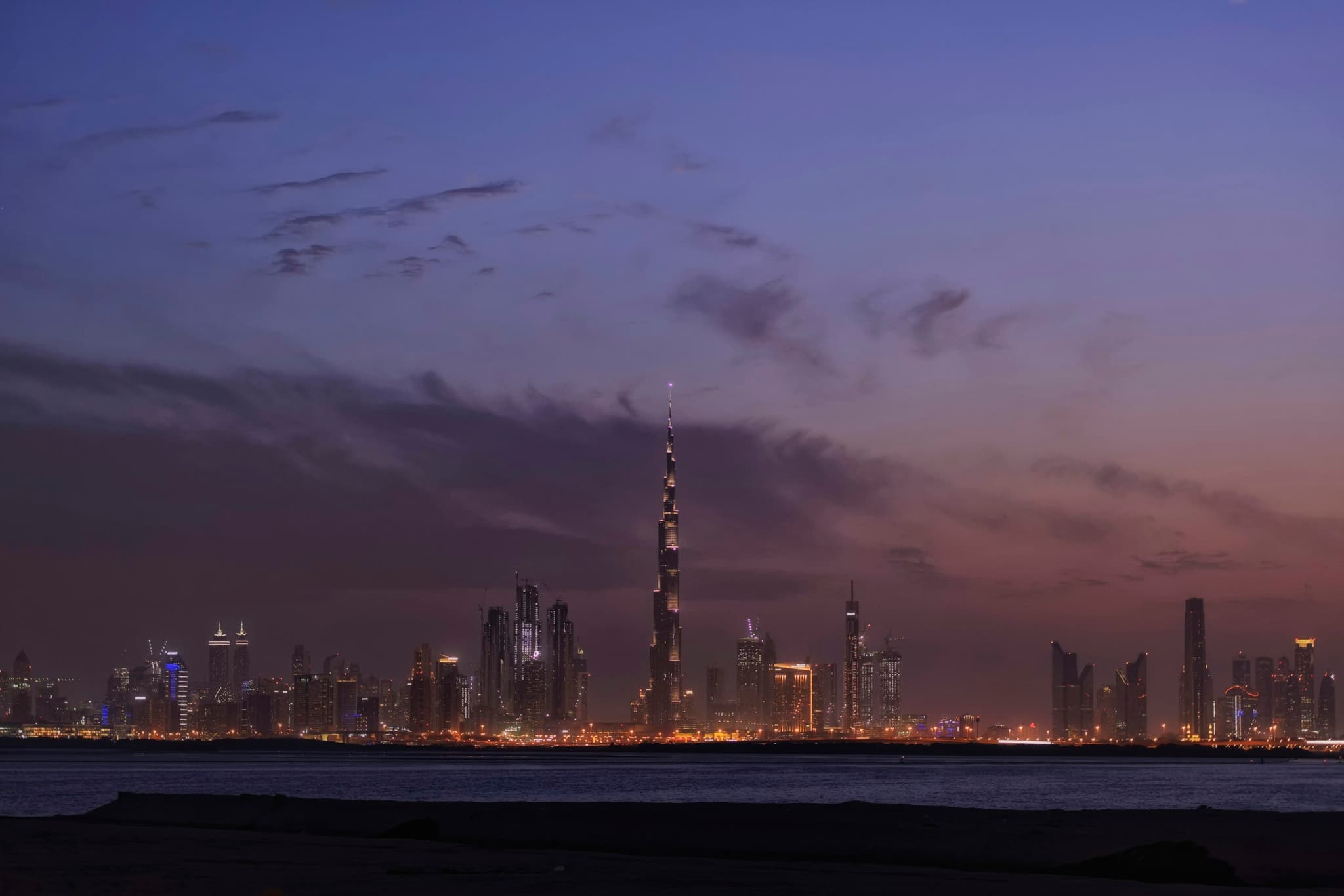
The World Cup card runs for one afternoon, and most guests spend the rest of the trip free. A private city tour on the morning of race day or the days around it reaches the Burj Khalifa, Dubai Marina and Old Dubai's souks at an unhurried pace, with a driver-guide timing the return well ahead of the dress code checkpoint so the racing afternoon starts calmly rather than as a rush from a tour.
The Dubai World Cup concentrates a formal, dressed-up crowd into one racecourse for a single afternoon, an enclosure system that rewards early booking, and a dress code that gets checked at the gate. Arranged privately, the same day looks different, a hospitality box confirmed ahead of the card, a concierge who keeps the dress code and timing straight, and a driver-guide who handles Meydan's traffic in both directions. The racing itself stays exactly the same. What changes is how effortlessly the day around it comes together.